
The App Store for Surface Innovation: Fusion Bionic
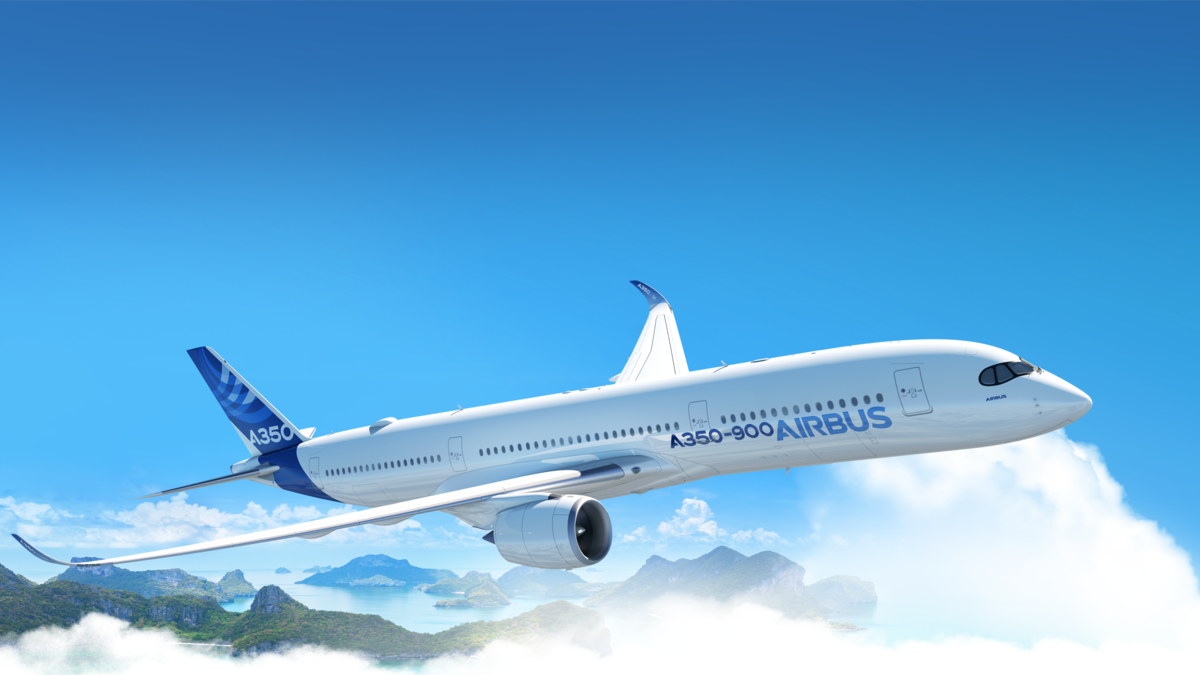
Imagine an Airbus A350 cruising at 30,000 feet. At this altitude, atmospheric conditions present a massive, complex engineering challenge: ice buildup.
Traditionally, the aviation industry has relied on energy-intensive heating systems or toxic chemical de-icing sprays to manage this threat.
But what if the skin of the aircraft could simply reject the ice on its own?
In a decisive "aha moment" that would eventually lead to their spinout from the Fraunhofer organization, the team at Fusion Bionic proved this was possible. By deploying a laser-textured surface on a real Airbus A350, they successfully demonstrated passive ice shedding.
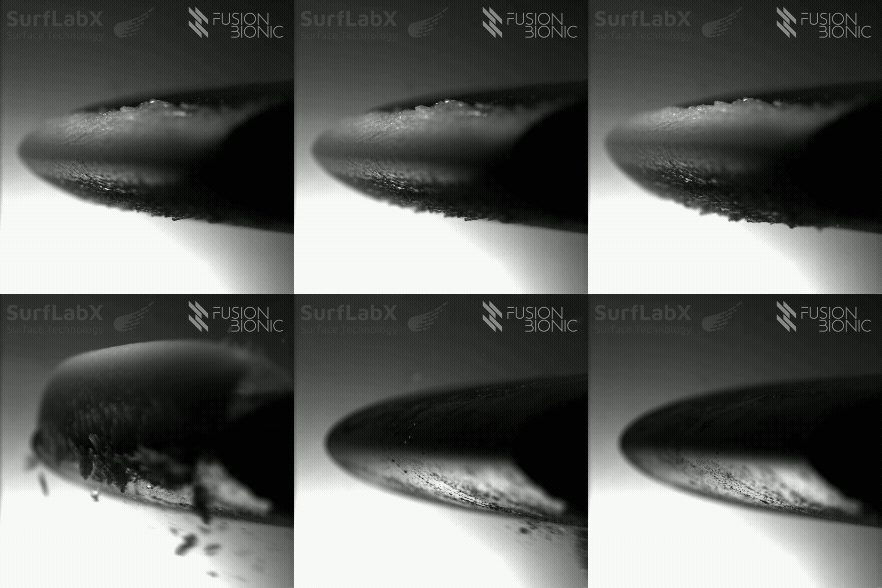
The video on the left illistrates how the surfaces created by Fusion Bionic can reduce ice buildup on a Airbus A350. Nature-Inspired Innovations are hiding in plain sight. If you're interested in learning how to learn from nature, check out our Biomimicry Short Course Set.
This transition from lab theory to the open sky perfectly illustrates the immense potential of bio-inspired surface technology.
Fusion Bionic isn't just creating a single cool product; they are building the infrastructure to scale biomimicry in manufacturing with micro-scale precision. It's about leveraging minute structural changes to achieve grand functional results.
Atomic in the sense that it's small changes that create grand results.
Here is how this innovative startup is acting as an "app store" for surface technology, enabling engineers to solve complex problems by "downloading" 3.8 billion years of natural R&D.
Nature as a Lookup Table
In the world of biomimicry, there are two primary paths to innovation. One might start with a fascinating biological discovery like the well known self-cleaning properties of a lotus leaf and then look for applications.
However, for industrial mass production, Tim Kunze, CEO of Fusion Bionic, focuses on the problem-first approach (aka Biomimicry's Challenge to Biology Framework):
For Fusion Bionic, the natural world serves as a vast, strategic library. When a client identifies a specific engineering hurdle such as friction, moisture, or glare the team consults this biological 'lookup table' to identify organisms that have evolved to overcome similar functional challenges.
The Problem: A client needs anti-icing for industrial equipment.
The Strategy: Engineers analyze how specific organisms survive sub-zero temperatures without damage.
The Abstraction: They identify unique micro-structures (like those found in scallop shells) and translate their functional principles into laser-generated textures
Instead of creating new designs from scratch, designers can effectively "download" the proven patterns in nature to apply to human-made surfaces.
The Reality of Manufacturing: Adaptation Over Imitation
The goal of biomimicry isn't just to copy nature, but to deeply understand the mechanism and being able to apply it through functional abstraction.
While one could technically attempt to replicate biological structures one to one, it wouldn't align with the realities of the factory floor.
Nature creates through organic growth - building structures cell by cell from the inside out. At Fusion Bionic, however, they work with high-speed laser texturing, shaping the material from the outside.
This is where the true innovation lies: Fusion Bionic doesn't just replicate biological surfaces; they translate the functional logic of a natural model into a design that can be rapidly produced in an industrial environment.
It is the bridge between the organic complexity of life and the efficiency of modern surface engineering.
Case Study: The Scallop Heat Exchanger
When tasked with reducing ice on aluminum heat exchanger fins, Fusion Bionic looked to the ridges of the scallop shell. However, they didn't just carve a perfect replica of a shell into the metal.
Instead, they abstracted the core geometry of the scallop's surface so that it could be rapidly produced by their high-tech lasers. The result? On flat aluminum sheets, initial results showed that texturing reduced ice formation by 80%. This is the essence of effective nature-inspired innovation—taking the functional blueprint and adapting it to the realities of industrial mass production.

Free eBook
A Field Guide to Biomimicry
10 years to build, 10 minutes to read. Gain the skills to apply biomimicry to your business, projects and daily life.
Get the free eBook →Multi-Optimisation: Solving for Complex Realities
In the real world, products rarely face just one environmental challenge. Nature excels at multi-optimisation (a leaf must capture light, repel water, and breathe simultaneously), and biomimetic technologies must do the same.
A perfect example is Fusion Bionic's work with solar panels in the Middle East, especially Qatar.
The environmental demands in this arid region are brutal, requiring a surface that can handle multiple overlapping issues:
-
Anti-Soiling / Anti-Dust: The surface must prevent fine, abrasive desert dust from baking onto the glass like cement.
-
Anti-Reflective: The better solar surfaces absorb light, the more energy it produces.
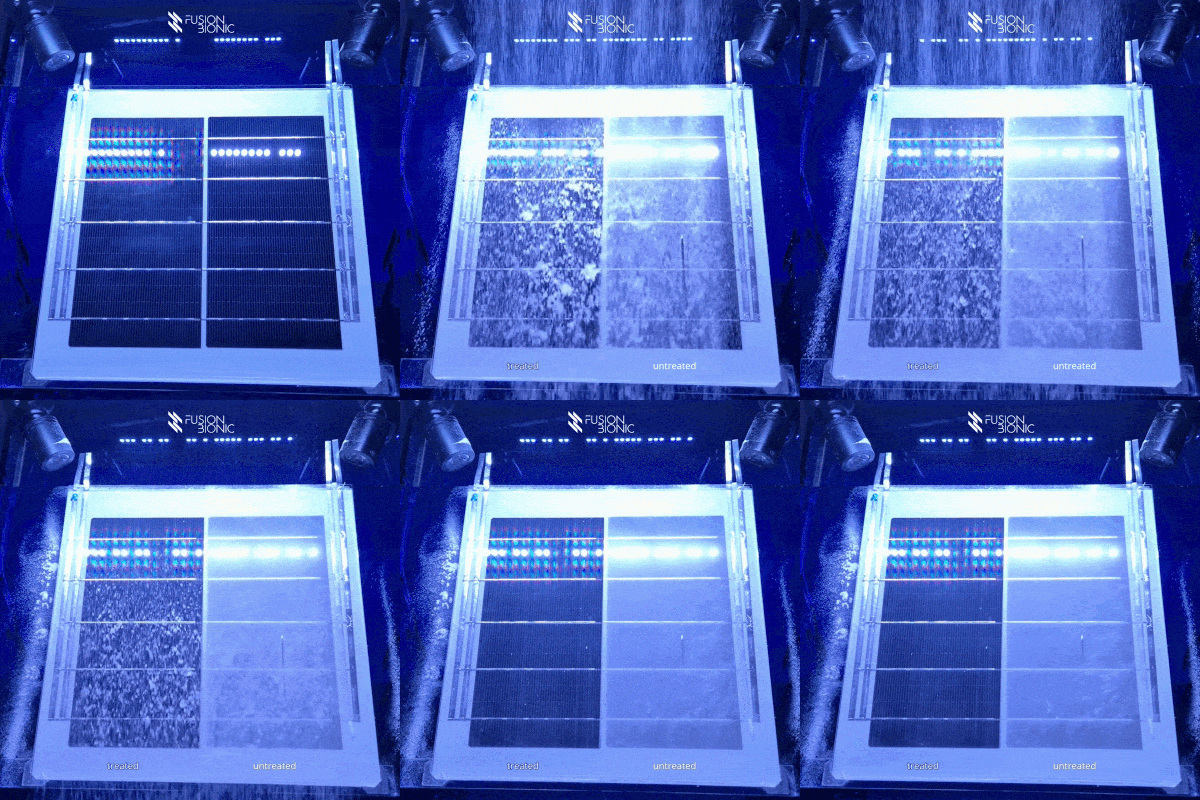
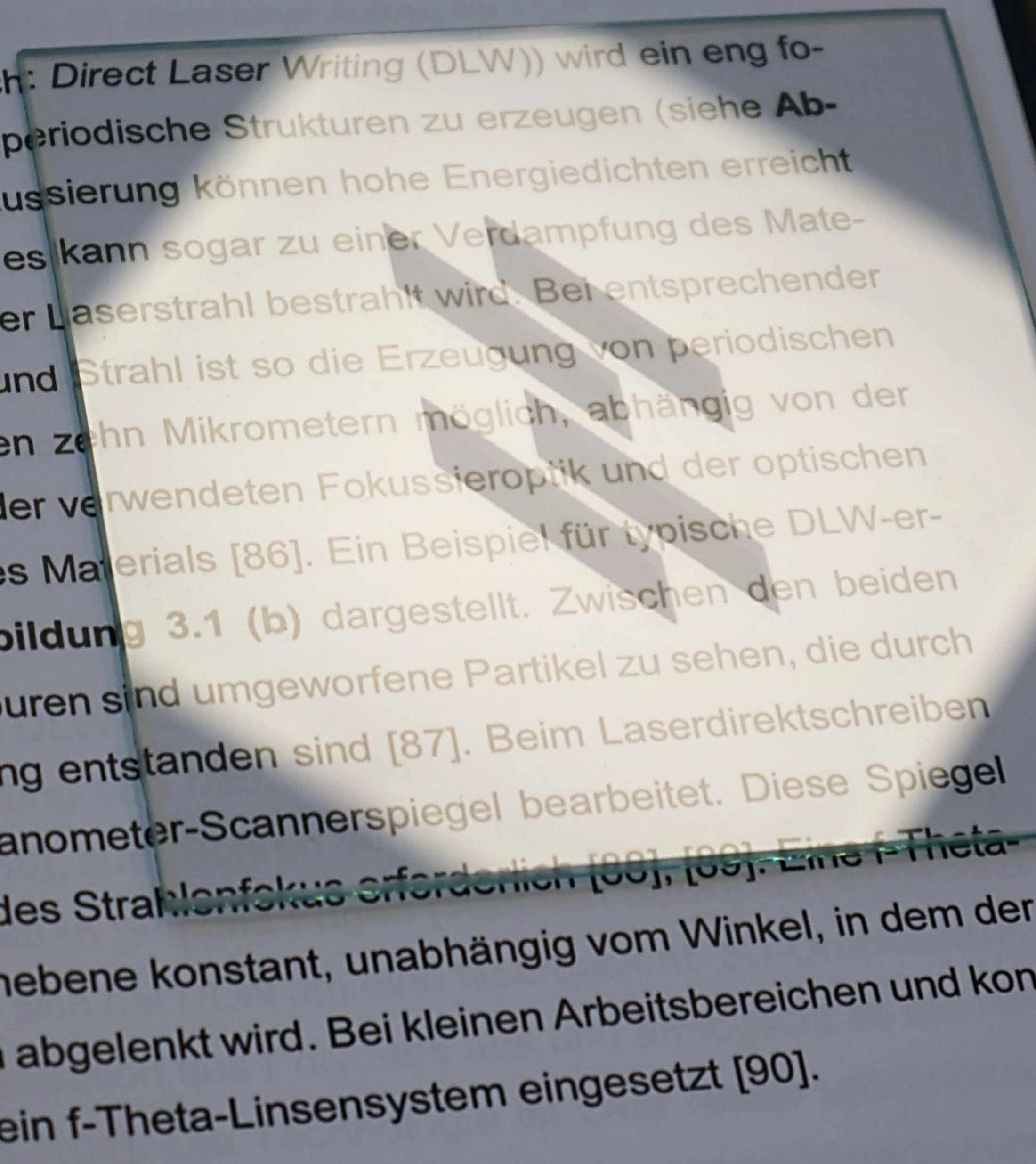
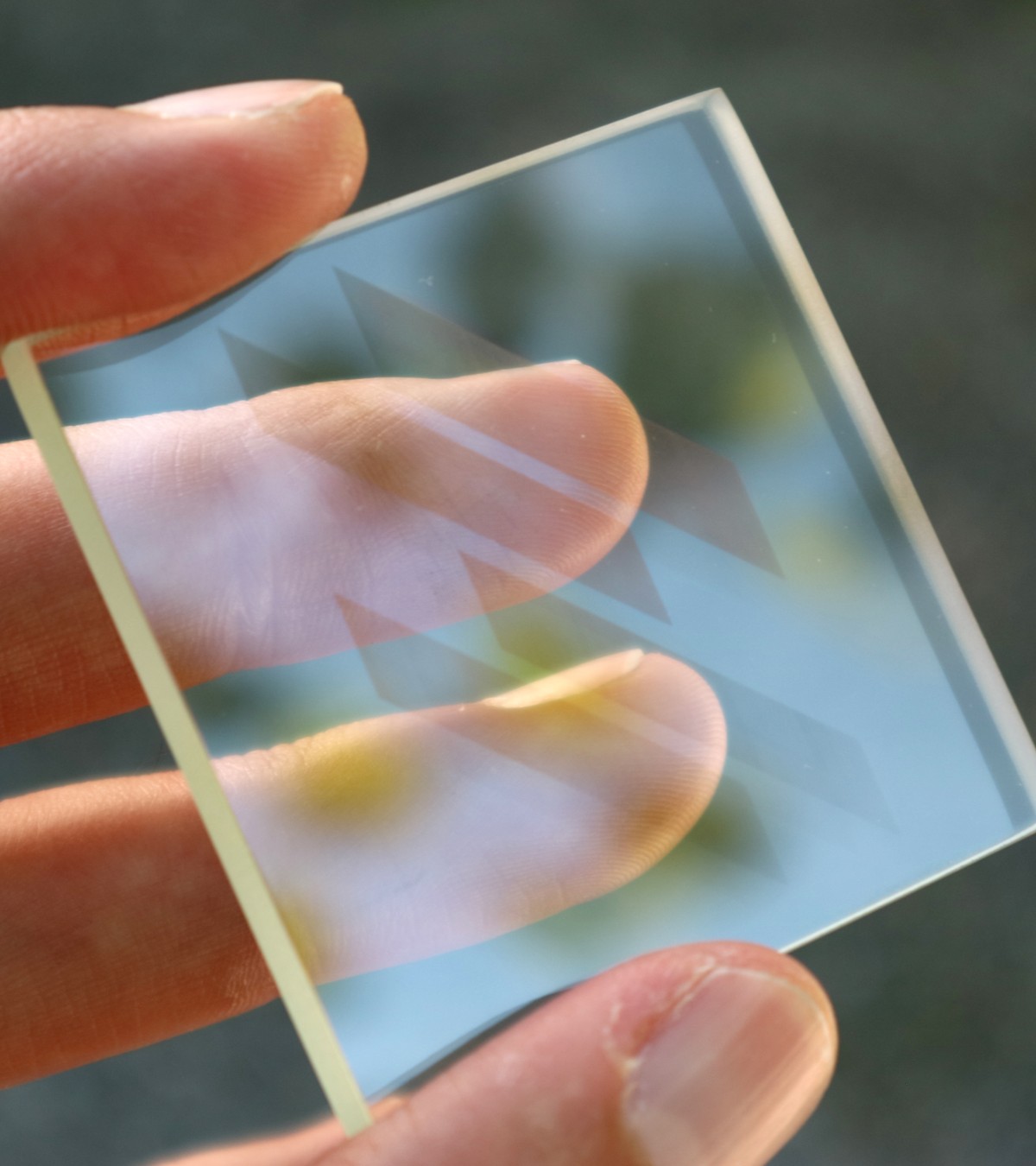
Fusion Bionic's technology enables anti-soiling, anti-glare and anti-reflection properties. All three are fitting for photovoltaic panels.
By layering different bio-inspired micro-textures, Fusion Bionic's laser technology can address both problems on a single piece of glass, drastically reducing maintenance costs and improving energy output.
The Future: A Sustainable Tool for Mass Production
The ultimate vision for this technology goes far beyond creating better solar panels or safer airplanes (which to me is already incredibly inspiring).
Fusion Bionic is set it's sights to fundamentally change how we manufacture surfaces.
Historically, altering the property of a surface required adding something to it - often toxic chemical coatings, paints, or laminates that eventually degrade, flake off, and pollute the environment.
Fusion Bionic's laser-based technology offers a paradigm shift.
By physically altering the topography of the base material itself, they are moving away from chemical additives significantly. The future they are building is one where surface modification is driven purely by energy (ideally renewable), establishing a sustainable, mass-production tool that eliminates toxicity at the source.
As we look toward the future of sustainable engineering, it is clear that the answers to our most modern problems have already been solved... naturally.
We just need the right tools to apply the blueprints.
Wild regards
Alistair Daynes
PS - Still curious? Checkout Fusion Bionic here or read this article on Biomimicry and the Future of Material Surfaces
Whenever you're ready, there are three ways Learn Biomimicry can help you:→ 1. Master the foundations: Join 1,679+ learners from 41 countries in our Biomimicry Short Course Set. The best self-paced course to build a rock-solid understanding of biomimicry, naturally.
6-Month Programme
Upskill your career
Accelerate your career with the Biomimicry Practitioner Programme — and a real project of your own.
See the programme →
Here’s the one biomimicry course you need that turns these examples and insights into a skill set. Trusted by 1,679+ Learners. Three self-paced courses, one price. $198 US.
10 years to build, 10 minutes to read. This eBook is the essence of biomimicry.
Recent Posts