
Biomimicry and the Future of Material Surfaces
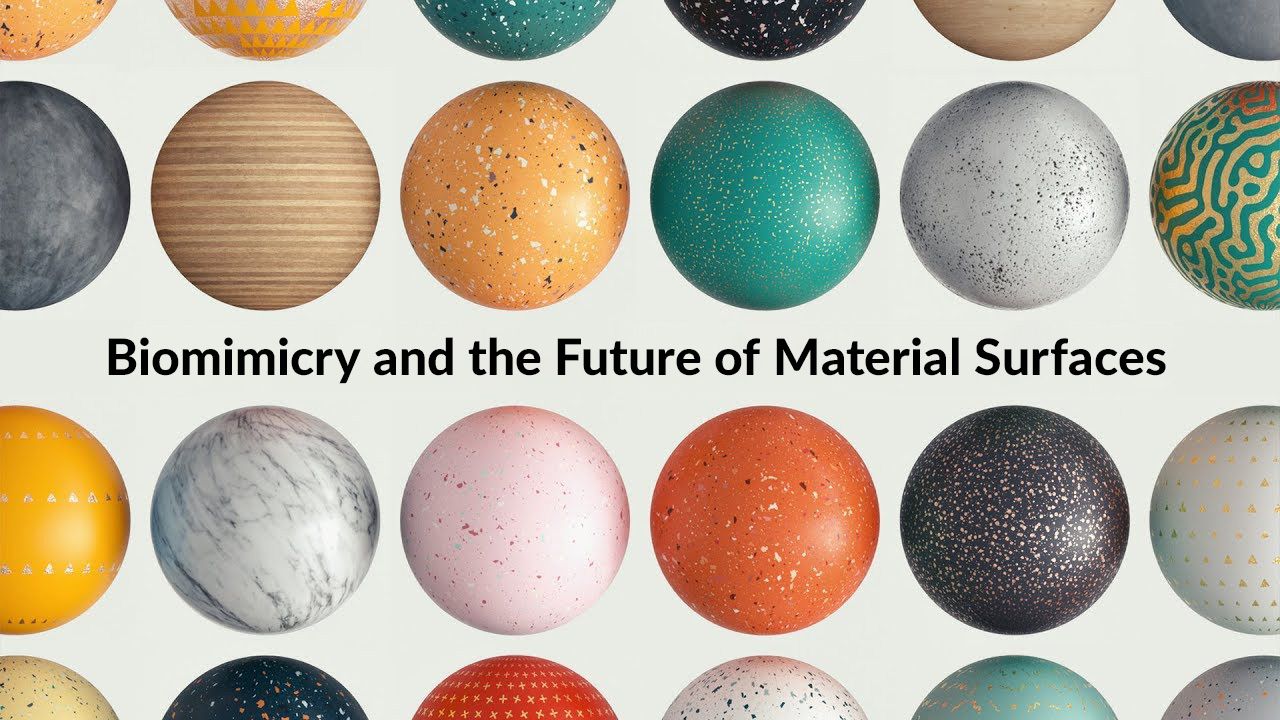
This week (almost) everything I knew about biomimicry and material surfaces shifted.
The stars are aligning for biomimicry, and it's fitting as those celebrate Ramadan here. The advancements, the enablers and the Practitioners are coming together, as I'll explain later.
The Learn Biomimicry team and I are in Doha, and we've been invited to speak at the First International Biomimicry Workshop, specifically orientated around surface materials.
Dr. El Tayeb Bentria, the (EPIC) Organizing Committee behind this event, the Qatar Energy and Environment Research Institute (QEERI) and HBKU all played a role in bringing us together.
This event was atomic - focused and mighty!
With journalists from ORXY FM and Al Watan press, it also felt very special to be part of this event.
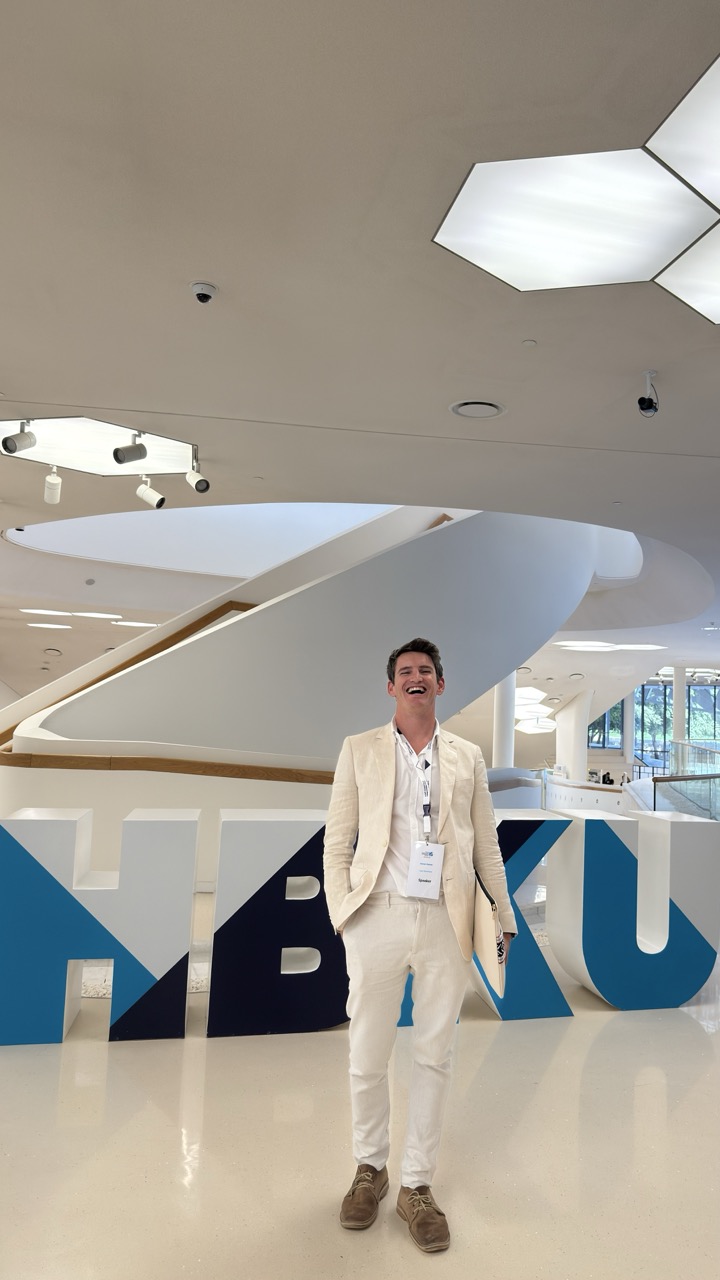
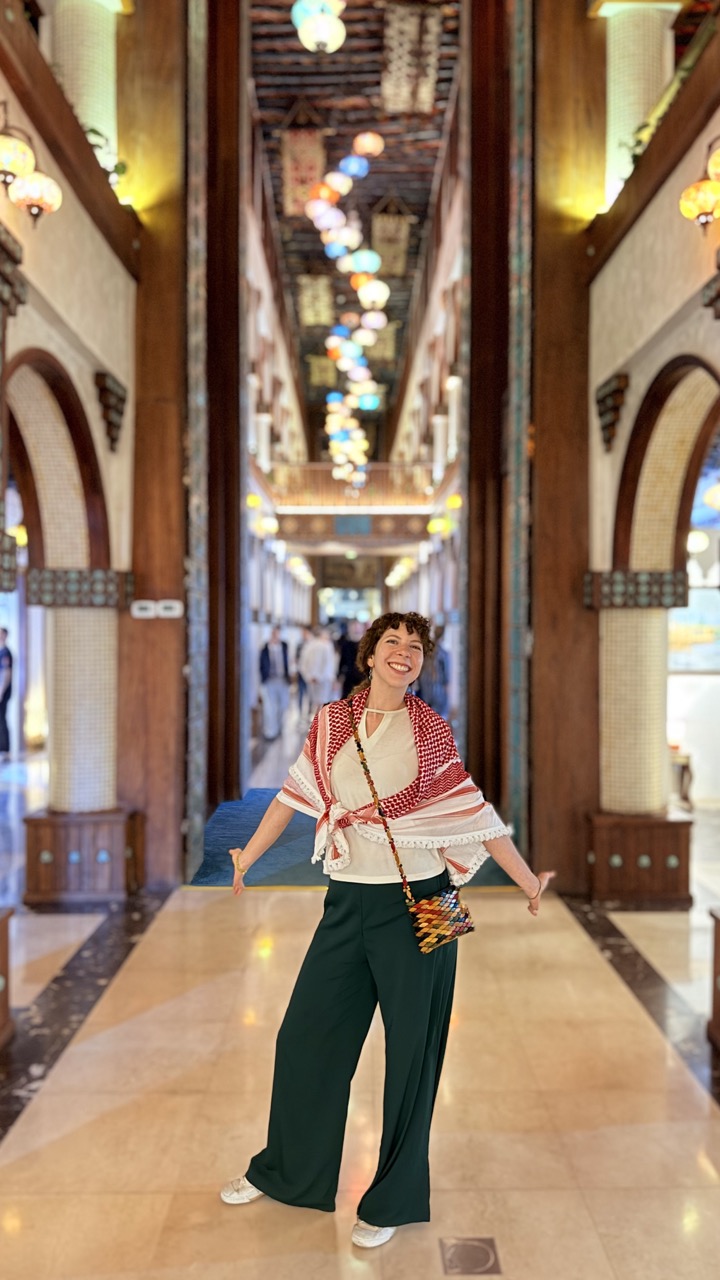
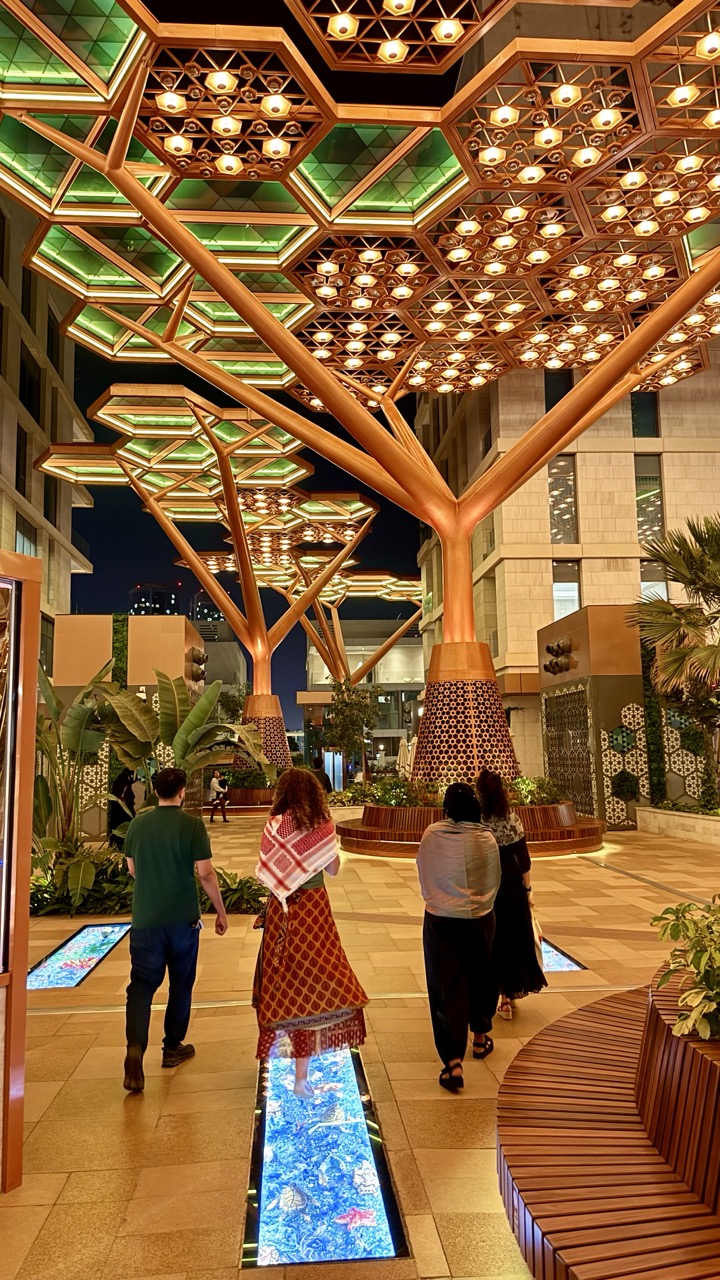
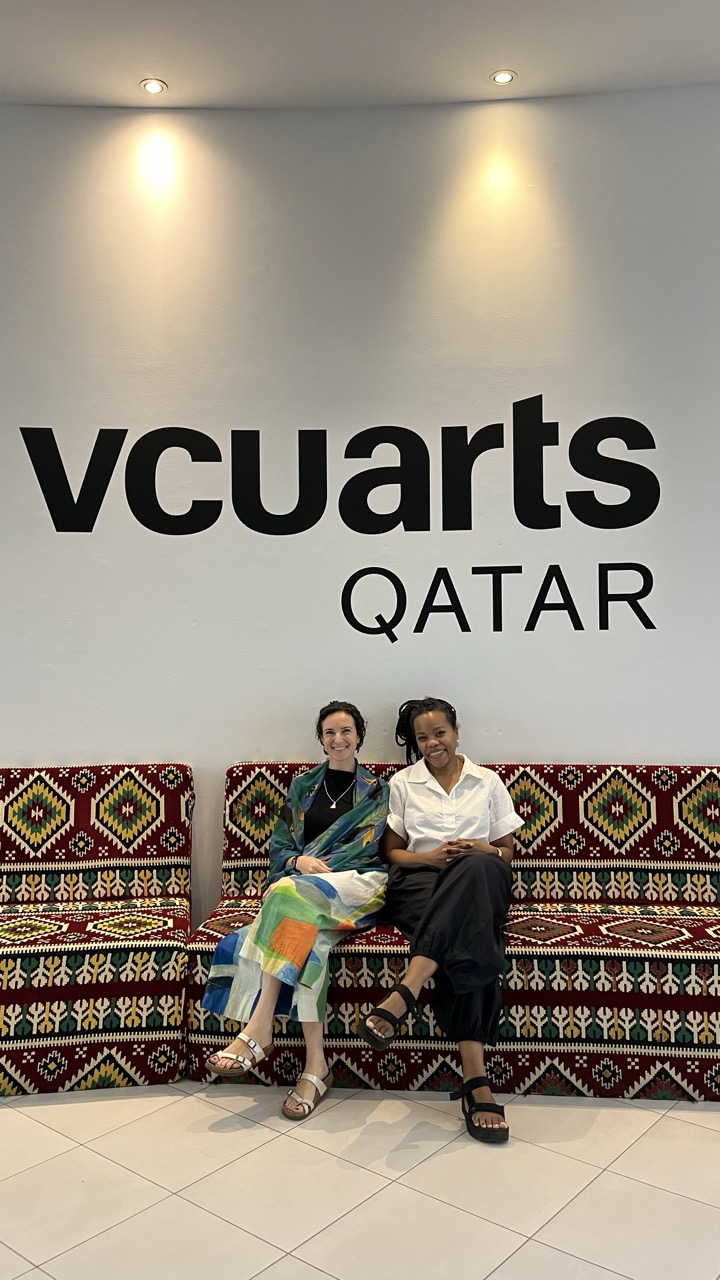
With a level of excellence I've never seen before, these two days had us captivated from the very start.
Here is what we learnt at the First International Workshop on Biomimicry:
1. AI is dramatically accelerating biomimicry research
Sometimes an image is a 1000 words, here are 2000 words.
Research output and application index suggests that biomimicry has been growing steadily since Janine Benyus popularised the term in 1997.
Biomimicry Research Process and AI Acceleration (1950-2050)
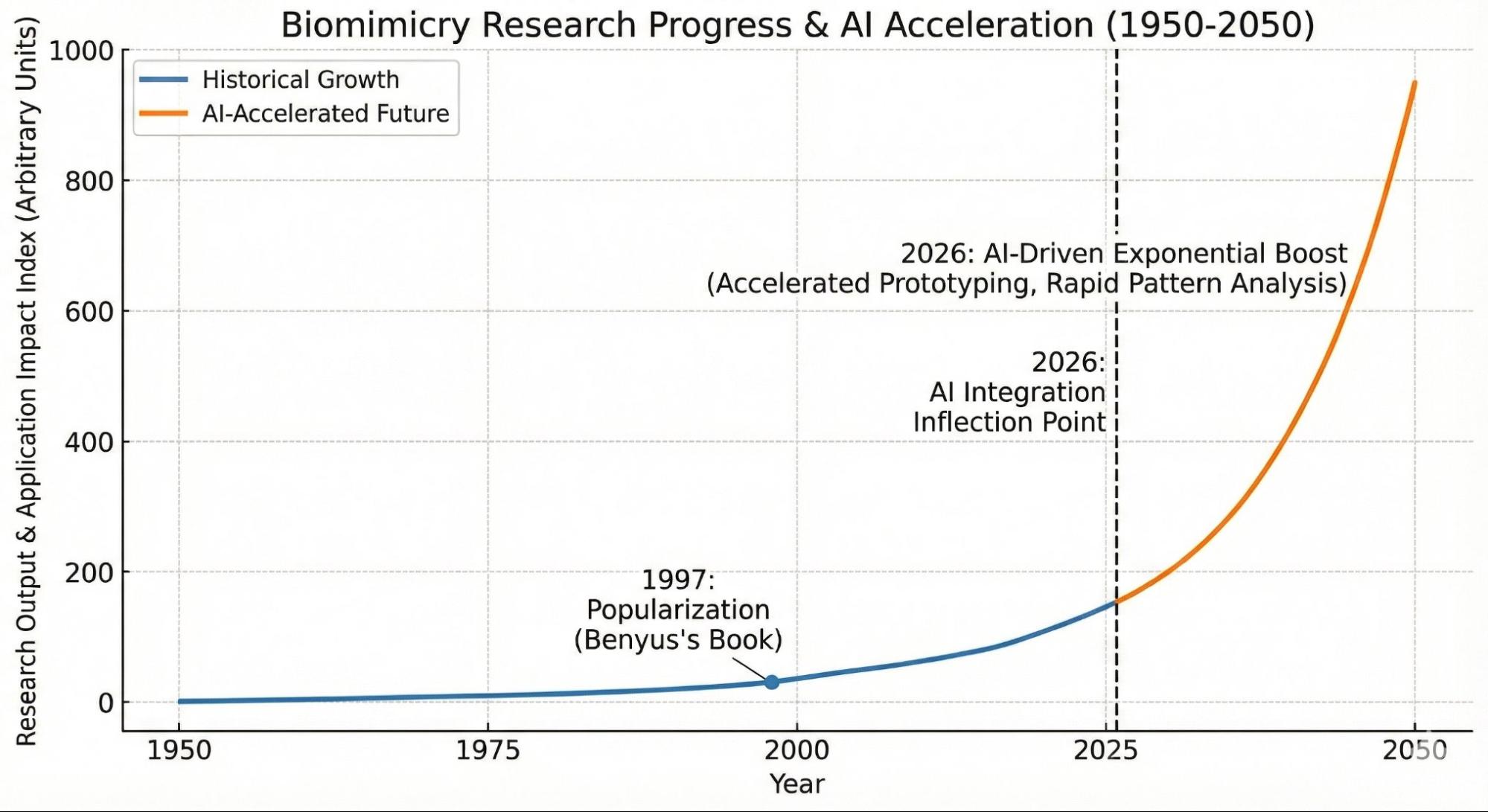
Dr. El Tayeb Bentria first brought this research paper to my attention, and today we stand at the inflection point. It still feels early for biomimicry, and that's great if you wish to be part of the movement. It's looking like AI is going to be instrumental to practicing biomimicry too. Research paper: Biomimetics for innovative and future-oriented space applications - A review. Frontiers in Space Technologies 3 (2023)
A Combination Of Exponential Technologies Will Drive Future Disruptions
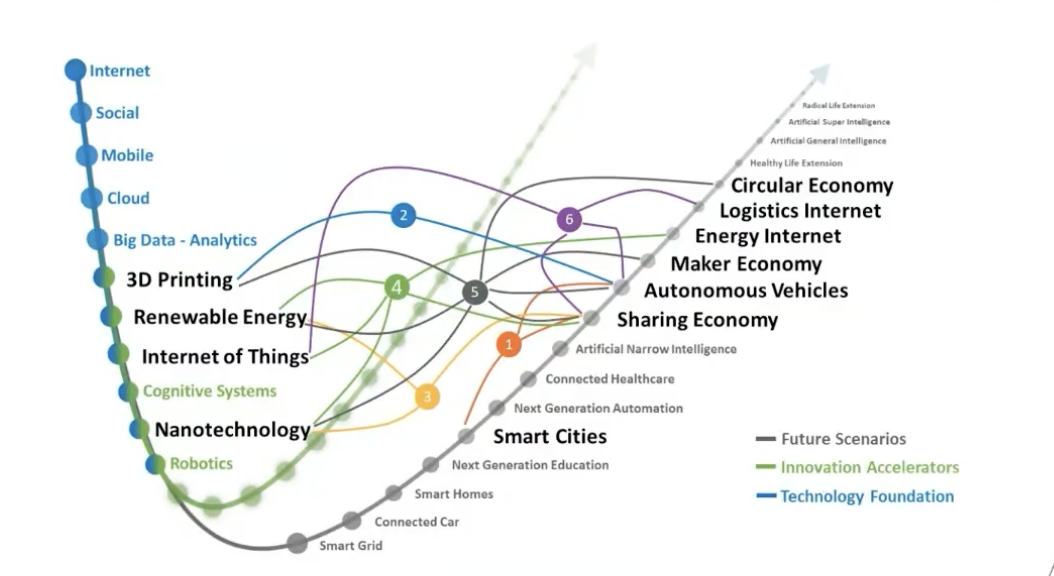
3D Printing, the internet of things, material advancements, nanotechologies, robotics, etc are compounding on each other. This enables the circular economy, the maker economy, the sharing economy, and so much more. We're building new courses like the Biomimicry Sprints to blend new biomimicry developments with just-in-time learning.
2. Biology is unlocking Surface Material Innovations
Alan Turing had an incredible mind.
Mostly known for the Turing Test (a method to determine if a machine can exhibit human-like intelligence), he also pioneered the study of biological patterns.
Today, Dr. Vladimir Katanaev is now advancing by studying the tiny micro-structures found in insect eyes.
He shared 15 years of research dedicated to "unlocking the genius" of insects, specifically focusing on how their eyes are constructed.
Insects' eyes hold unique structures, and the better we can understand how and why they have micro structures the better we can design important things like contact lenses.
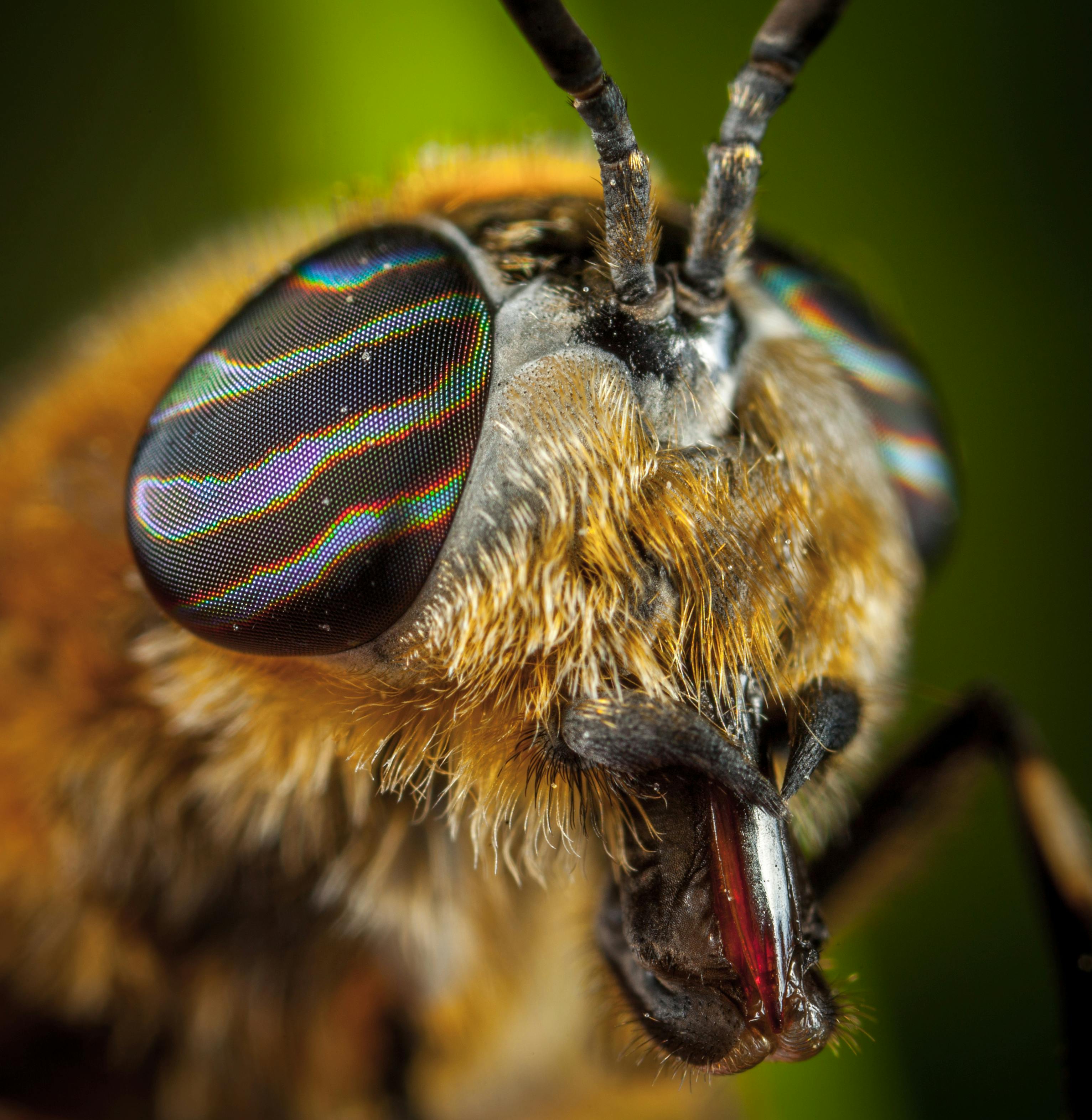
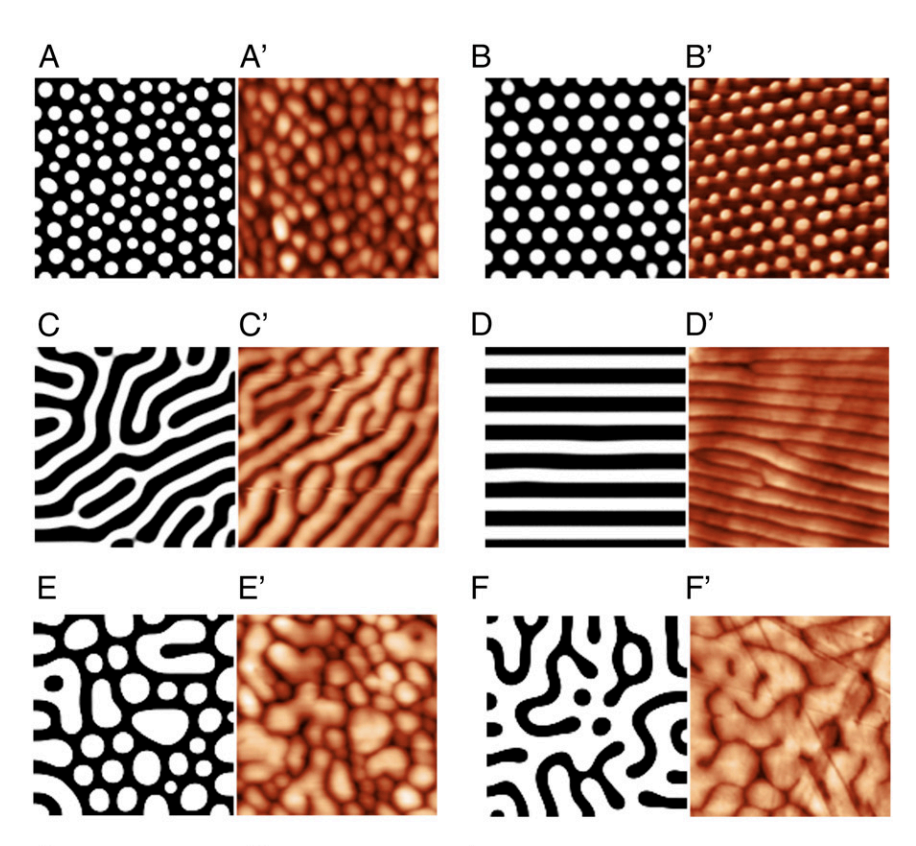
One of the most impactful sessions featured Dr. Vladimir Katanaev, the Scientific Director of Translational Oncology Research at the Qatar Biomedical Research Institute.
The insect corneal nanostructural diversity replicates Turing patterns. Mathematically modeled Turing patterns (in black and white) and their insect counterparts. (A and A′) Irregular nipples of various sizes, characteristic e.g., for Hemipteran corneal nanocoatings. (B and B′) Highly ordered nippled nanoarrays (Lepidoptera).
How might we apply what we learn about insect eyes?
One clear application is self-cleaning solar panels... in arid regions, dust and solar is like oil and water, they just don't mix. This is a big problem, and with water being a constraint, this technology can help create solar panels which stay cleaner for longer, ultimately increasing the Return on Sunshine and Return on Investment (ROI).
3. New biomimicry enablers have arrived
You and I know that biomimicry requires out of the box thinking... but an important bottleneck often goes unnoticed and unchecked.
That limiting factor is the long R&D cycles and time it takes to apply biomimicry.
Many biomimicry startups take 8 to 11 years to go from biological model discovery to commercialisation. That's waaay too long. We need to rapidly prototype and test, not in years, but in months.
This is the critical enabler that tools like Thin.Qa and Fusion Bionic are bringing to biomimicry.
Thin.Qa is a platform that accelerates prototyping by generating 3D structures from mathematical equations (many of which are elegantly found in nature) ready for modification and direct 3D printing.
It follows the principles of biomimicry in generating its designs. Its objective is to reduce the time needed to reach a printable prototype (and evaluate it) from months to hours... and having used it for the last week, it does. You can start creating 3D designs and biomimicry prototypes with Thin.Qa here.
In fast mode, I was able to create a biomimicry prototype in 10 minutes 🤯
To put this into perspective, last month I tried this without AI, and my estimated effort was around 20 to 30 hours... and my 3D design based on the Venus Flower Baskets Lattice structure wasn't even usable.
Now, I don't plan to actually create so fast, but going from a challenge to a working prototype is so critical - because if we can make it, we can measure it... and having a prototype in my hands within a day.
Fusion Bionic was another enabler, with Sabri presenting on the advancements happening in lasers and surface materials.
Fusion Bionic is essentially the app store for surface materials, if you wish to use lasers.
Surface microstructures can assist in various domains, such as
- Wetting
- Icing
- Bio-fouling
- Friction
The applications and industries list is long too. From aerospace and the automotive industry, to medical technologies and contact lenses - Fusion Bionic is a great enabler that blends nature with nature-inspired effects in technical product surfaces.

Free eBook
A Field Guide to Biomimicry
10 years to build, 10 minutes to read. Gain the skills to apply biomimicry to your business, projects and daily life.
Get the free eBook →4. The world is moving towards less silos and more collaboration across disciplines
This is the key that unlocks biomimicry.
Biomimicry is inherently multi-disciplinary... designing like nature requires integrated knowledge of biology, physics, chemistry, and computer aided design to accurately abstract function into technology.
Less silos means more collaboration across disciplines, and this aids biomimicry a lot.
Our friend and Biomimicry Practitioner Lian said it best with this illustration and blog article.
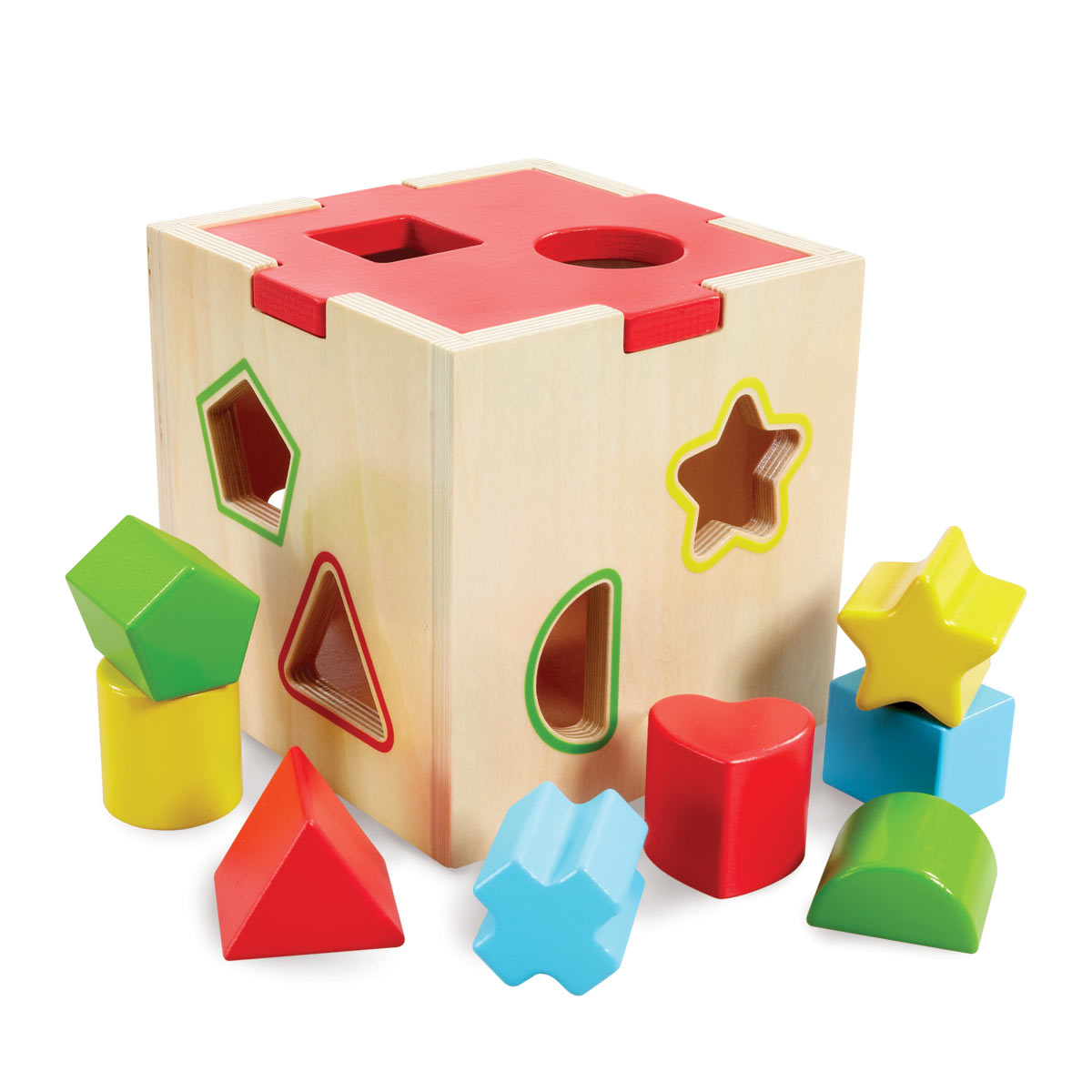
Toys like the Shape Sorter "conditions our brain to believe that the world can be compartmentalised into separate cutouts that each have their nicely fitting shape and colour to go with it". Read Nature Based Notes here
5. A new biomimicry network for the EMEA region is being developed
Qatar is unique.
So is every country in the Middle East and North Africa regions.
Whilst walking down the most iconic, traditional market in Doha, Tayeb proposed this idea... one thing for sure is that he is a man of action, yet I'm still surprised. He's already set up the LinkedIn account for Biomimicry MENA and in talks with other keystone individuals like Dr. Melissa Sikosana.
About Biomimicry MENA
Biomimicry in Arid Environments is a focused platform dedicated to advancing research, innovation, and collaboration inspired by life in extreme conditions.
This page brings together researchers, engineers, designers, and students who explore how organisms thriving in arid climates, deserts, semi-deserts, and water-scarce ecosystems, can inform sustainable technologies and resilient design strategies
Surrounded by Qatar's heritage, culture, and trade, this idea to create the MENA Biomimicry Network felt just right.
Watch this space : )
6. Biomimicry / Biomimetics is (still) an overlooked, and under-explored field
Approximately 1.2 million species have been documented, while an estimated 9 million complex life forms exist in total.
Biology is under-explored science... and thus biomimicry is often overlooked, and under-explored mindset and methodology too.
This graph illustrates the point that there are still many discoveries yet to be made.
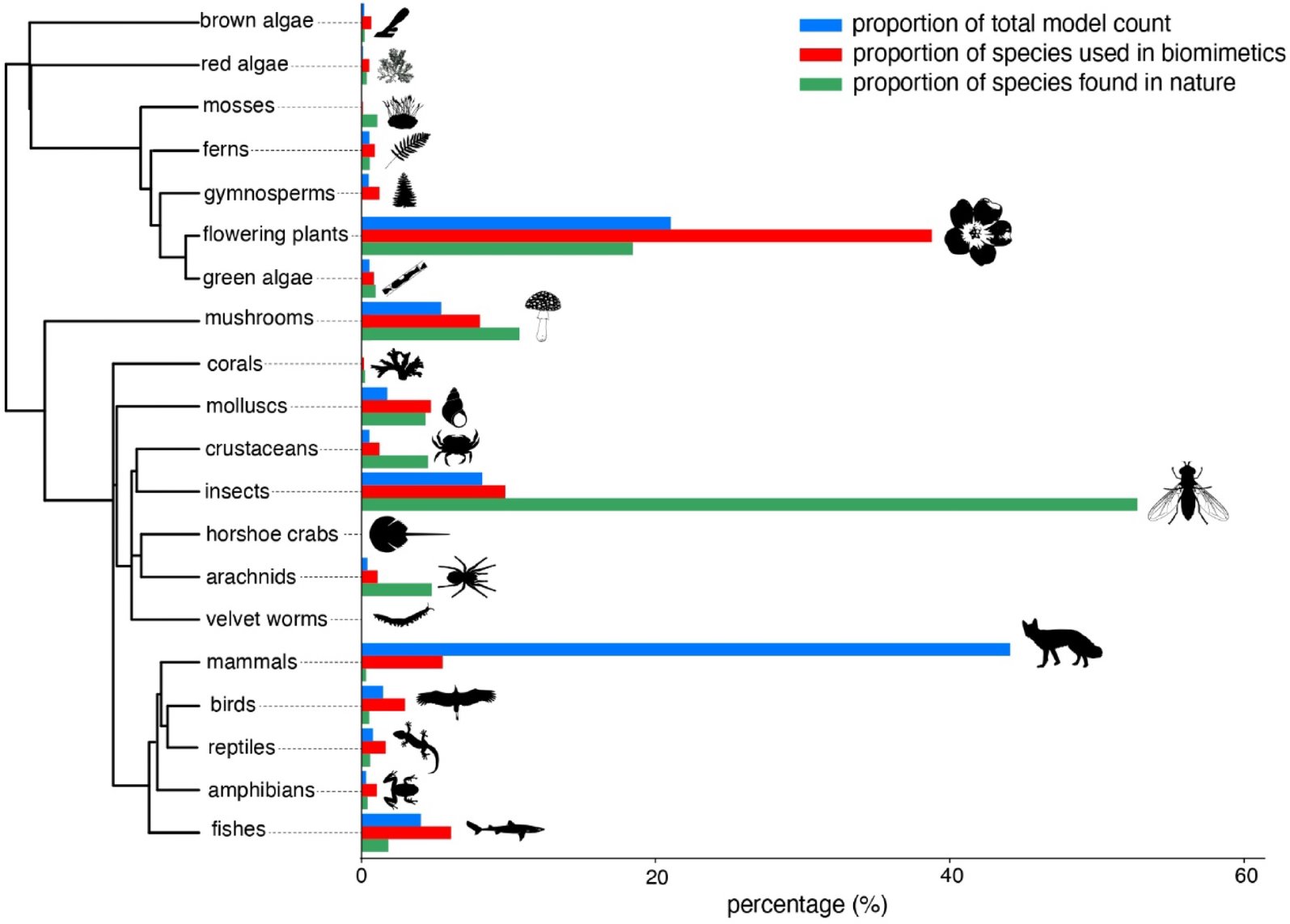
Biomimetics draws inspiration from biological organisms, yet only a small fraction of Earth's biodiversity has been explored for innovation. Some groups of organisms attract our attention more than others. This "taxonomic bias" is widespread in literary works and cinematography, but also in scientific research, such as conservation biology and animal behaviour studies.
Research paper: Overlooked sources of inspiration in biomimetic research
Tayeb said it best - The inherent bias in human thinking, combined with the complexity of biomimicry, creates a significant barrier to the practical implementation of biomimetic models.
This is profound and a ground breaking point for those who work deeply in biomimicry.
Simply put, it's hard for us to copy nature's "inventions" because we usually prefer to build things in our own simple, human way. Nature is so incredibly detailed and complex that it's like trying to build a LEGO set without the instructions or the right detailed blocks, in a way we don't quite understand.
Side note: this article has a lot of kids toys references... I guess now you can tell I've recently become a father.
In Summary
There are six great changes happening in biomimicry and surface materials
- AI is dramatically accelerating biomimicry research
- Biology is unlocking Surface Material Innovations
- New biomimicry enablers have arrived
- The world is moving towards less silos and more collaboration across disciplines
- A new biomimicry network for the EMEA region is being developed
- Biomimicry is an incredibly overlooked, and under-explored field
Wow, Qatar - what a country.
I never expected such a welcome, or level of excellence. I feel rejuvenated having travelled to Doha, and so too do the Learn Biomimicry Team.

There's a lot to be learnt from nature, and there is a lot to be earnt from how Qatar deeply values science, education and community development.
The biomimicry movement is alive and well in the Middle East, and we're thrilled to be part of it!
Wildest regards
Alistair, Biomimicry Practitioner
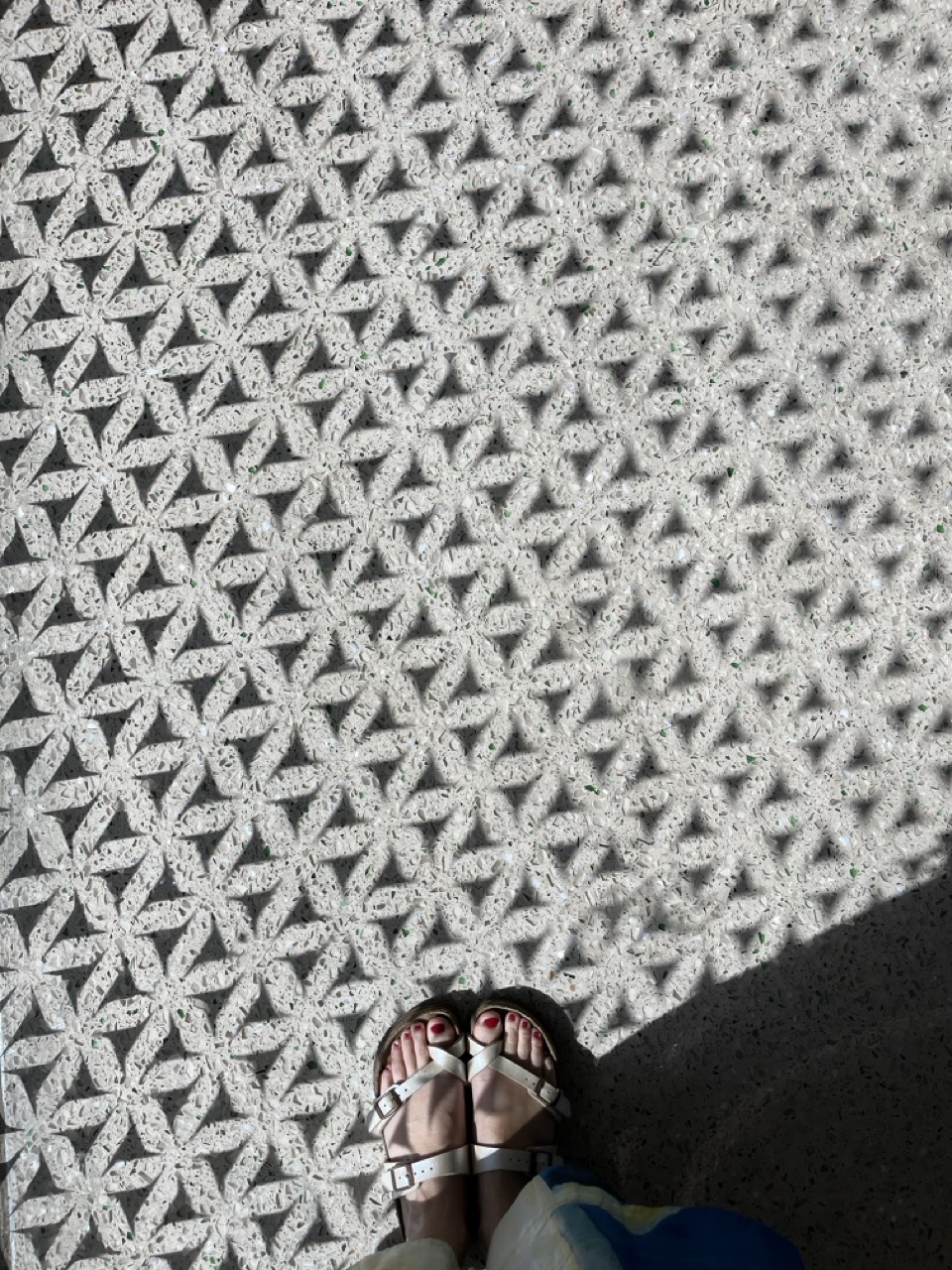

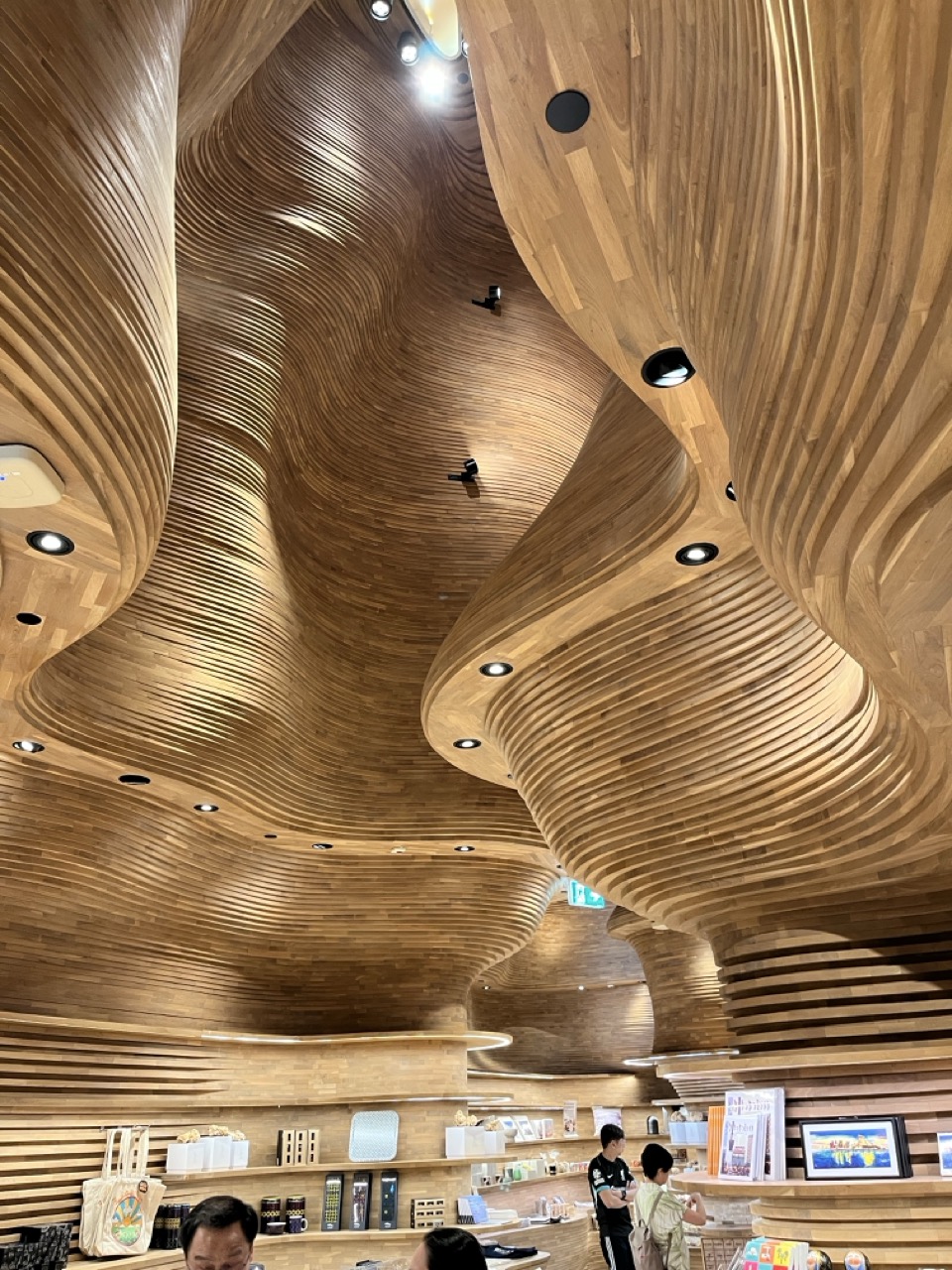
PS - these thoughts and views are my own, I was not paid or sponsored to write this.
PPS - Whenever you're ready, there are three ways Learn Biomimicry can help you:
→ 1. The Biomimicry Short Course Set: Join 1,679+ learners, from 41+ countries and start your biomimicry journey today. This short course set will give you a solid understanding of the biomimicry basics. Plus, you get a FREE Confluence ticket!
→ 2. The Biomimicry Practitioner Programme: Accelerate your career and gain the skills you need to apply biomimicry to your career and daily life. This 6-month (part-time) mentored programme will enable you to practice biomimicry confidently.
→ 3. The Biomimicry Educator Programme: Build your own biomimicry curriculum, course or workshop series. Purpose-built for educators, this programme will empower you to successfully integrate biomimicry into your teaching environment.
6-Month Programme
Upskill your career
Accelerate your career with the Biomimicry Practitioner Programme — and a real project of your own.
See the programme →
Here’s the one biomimicry course you need that turns these examples and insights into a skill set. Trusted by 1,679+ Learners. Three self-paced courses, one price. $198 US.
10 years to build, 10 minutes to read. This eBook is the essence of biomimicry.
Recent Posts