
Biomimicry and Sports: 10 Nature-Inspired Innovations Changing the Game
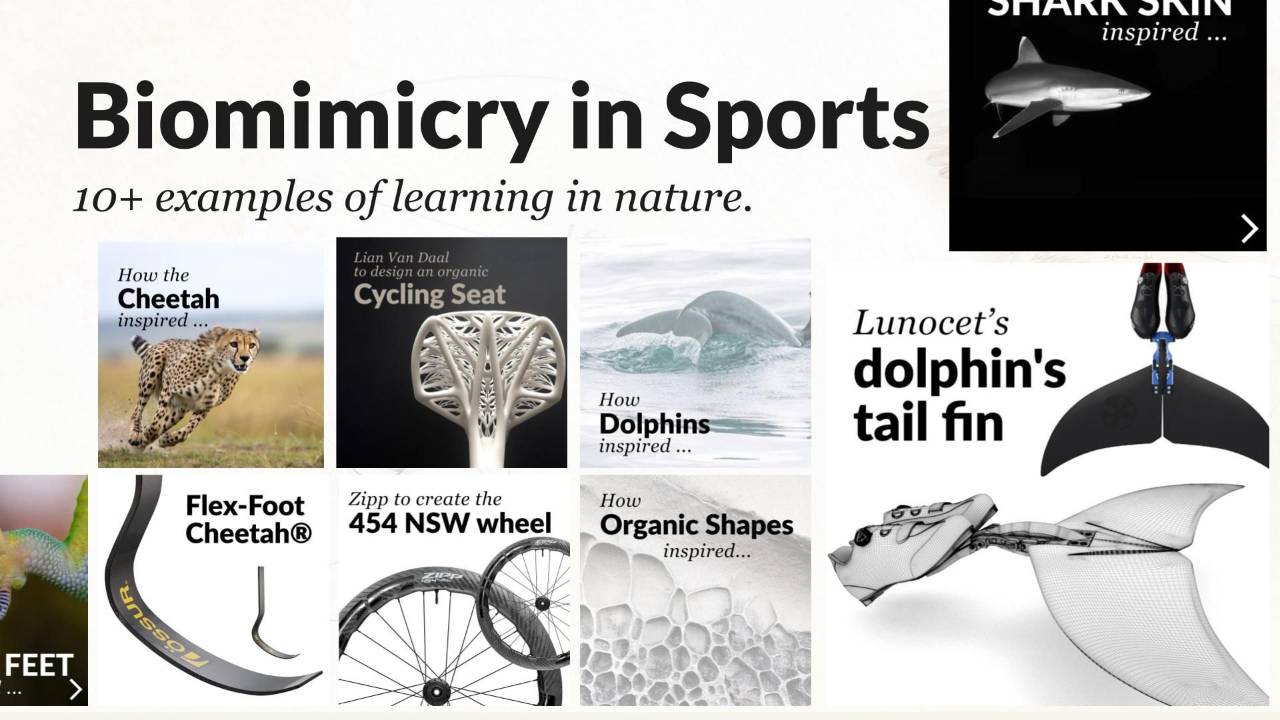
Nature has been training for 3.8 billion years.
Every cheetah sprint, every dolphin hunt, even the smallest gecko climb... every organism is an athlete of sorts, shaped by collaboration and competition with far higher stakes than a gold medal.
So it's no surprise that sport has become one of the best testing grounds for biomimicry.
When a hundredth of a second decides a race, designers start asking a very biomimicry question: how does nature do this?
We set off to find the best biomimicry examples in sport, from the pool to the peloton, the cliff face to the open ocean. Some made history, some broke records (and rules), and one or two are still finding their feet.
On your marks. Get set. Grow!
1. How shark skin (and NASA) made swimsuits too fast for the Olympics

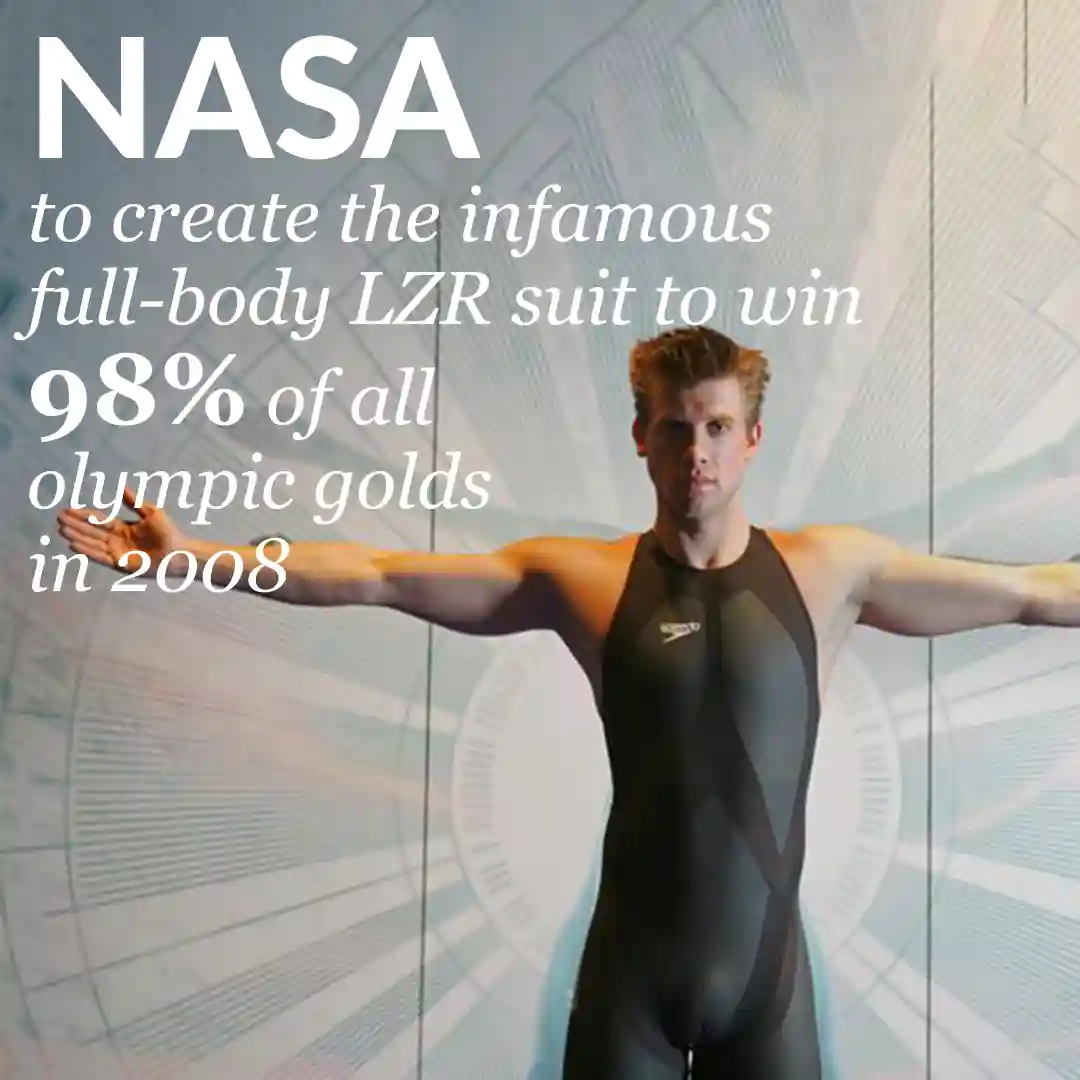
A shark is covered in tiny, tooth-like scales called dermal denticles. Run your hand from head to tail and it feels smooth; go the other way and it feels like sandpaper.
In 2000, Speedo launched a full-body swimsuit designed to mimic the drag-reducing denticles on a shark's skin. Then, after the 2004 Olympics, Speedo went one step further and called NASA. Researchers at NASA's Langley Research Center tested more than 60 fabrics in a low-speed wind tunnel. Even the zip was (re)designed: an ultrasonically bonded zip created 8% less drag than a standard one.
The result was the LZR Racer, launched in March 2008. At the Beijing Olympics that year, 98% of all swimming medals and 23 of the 25 world records went to swimmers wearing it. It was so effective that FINA banned full-body suits from 1 January 2010.
Here's the twist. In 2012, Harvard biologist George Lauder tested shark-skin swimsuit fabric against real shark skin. The fabric's surface did nothing for drag; the suits worked because they squeezed swimmers into a streamlined shape. Real shark skin did reduce drag, but only when it could flex like a living shark.
The lesson? Nature sparked the idea, and testing shaped the result. Biomimicry is about mimicking function, not just form.
🦈 Inspired by: Shark skin (dermal denticles)
📍 Where: Speedo, with NASA Langley Research Center, USA
🎯 Innovation / Function: Low-drag swimwear, move through liquids, reduce drag
✏️ Biomimicry Invention by: Speedo & NASA
Curious about nature-inspired surfaces? Read: Biomimicry and the Future of Material Surfaces
2. How the cheetah's hind leg inspired the running blade
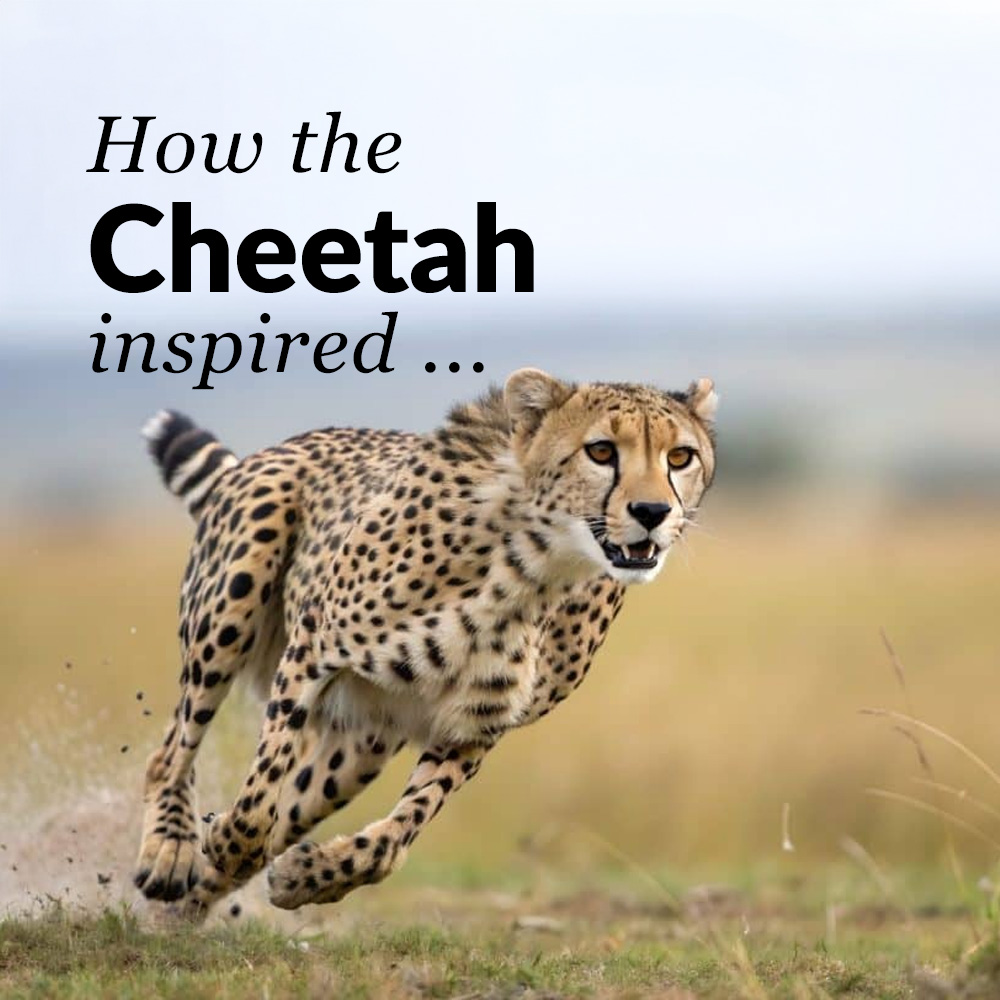
In 1976, Van Phillips lost his leg in a water-skiing accident. The prosthetic feet on offer were stiff and lifeless, so the young amputee decided to design his own.
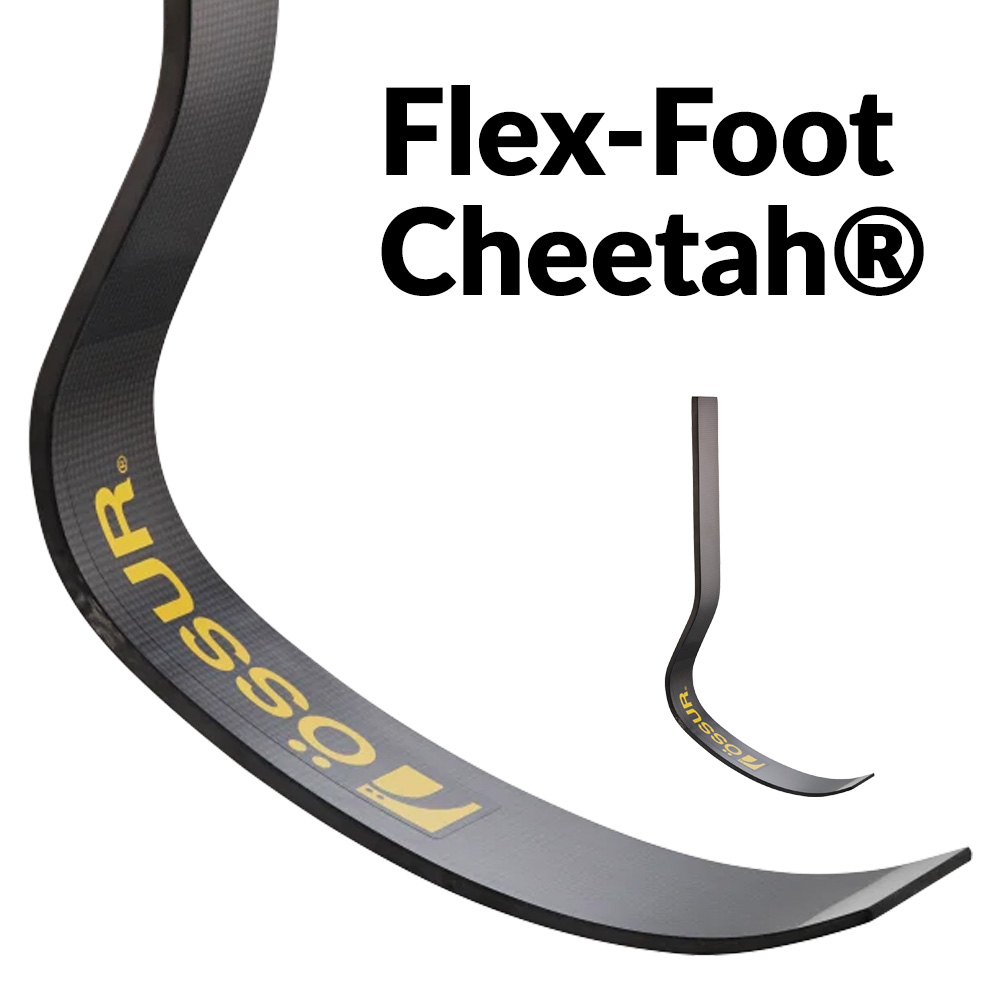
Inspired by the C-shape of a cheetah's hind leg, Phillips experimented until he settled on carbon graphite. The curved blade compresses as the runner lands and springs back as they push off, storing energy and giving it back, much like a tendon.
He founded Flex-Foot in 1984 and sold it to the Icelandic company Össur in 2000, which still makes the Flex-Foot Cheetah today. The best part? The designer was also the user. Who better to ask "how does nature do this?" than someone who needs the answer every single day.
🐆 Inspired by: The cheetah's hind leg
📍 Where: USA (Van Phillips) and Iceland (Össur)
🎯 Innovation / Function: Carbon running blade, store energy and give it back, move on land
✏️ Biomimicry Product: Flex-Foot Cheetah by Össur
3. How humpback whale fins inspired steadier bike wheels
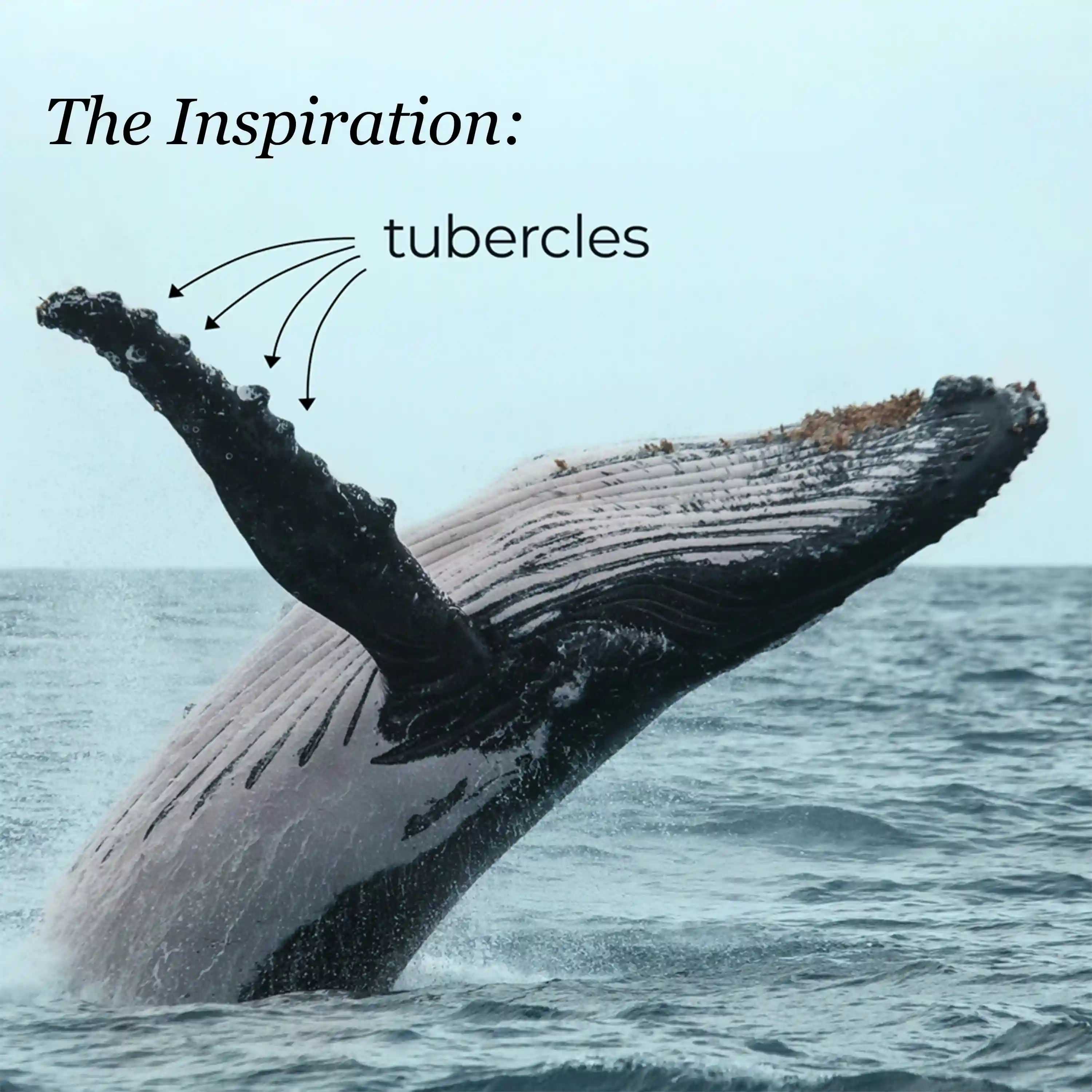
Humpback whales are surprisingly agile for animals the size of a bus. Part of the secret is the row of bumps, or tubercles, along the leading edge of their pectoral fins, which keep the water attached as it flows past.
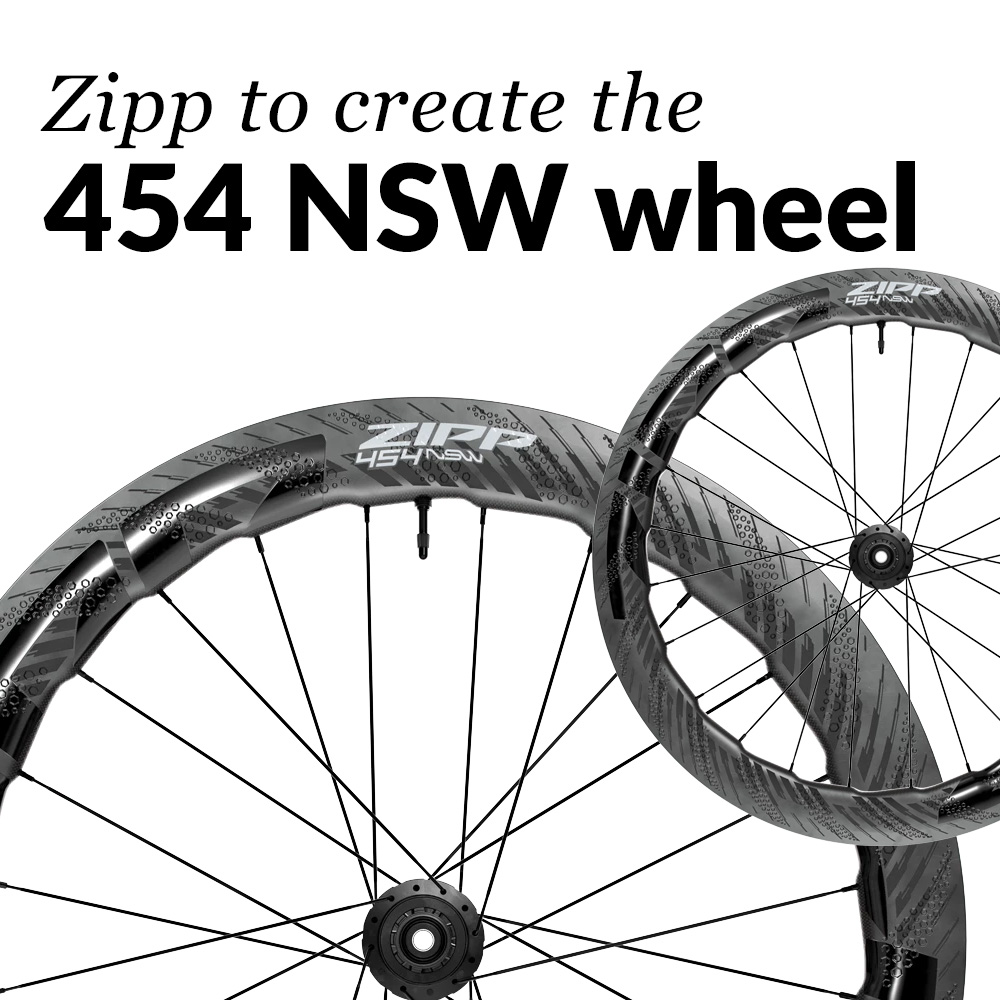
Those bumps already inspired more efficient wind turbine blades. In 2016, Zipp brought them to cycling with the 454 NSW wheel. Its "Sawtooth" rim rises and falls between 58 mm and 53 mm deep, breaking the airflow into smaller, more predictable pulses.
It took four years, 36 prototypes and more than 250 hours in the wind tunnel. Zipp claims 15% less crosswind feedback than a standard 60 mm rim. Anyone who has ridden into a Cape Town southeaster will appreciate that.
🐋 Inspired by: Humpback whale pectoral fins (tubercles)
📍 Where: USA
🎯 Innovation / Function: Aerodynamic bike wheels, manage turbulence, stay stable in crosswinds
✏️ Biomimicry Product: Zipp 454 NSW
4. How spider webs and leaves inspired a saddle made for one rider
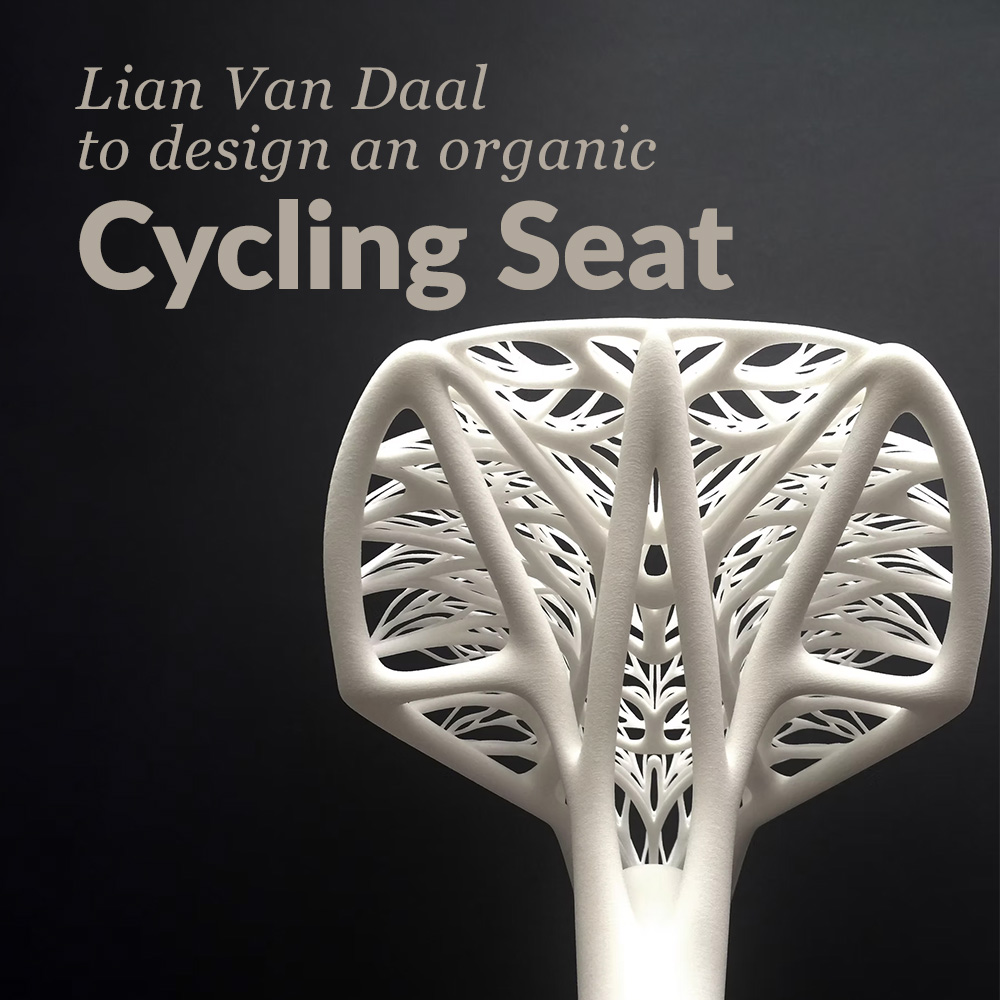
Dutch designer Lilian van Daal first turned heads in 2015 with a 3D-printed chair that imitated plant cell structures, creating soft and stiff zones from a single material. No foam, no glue, no upholstery.
In 2016, with Studio MOM, she brought the same thinking to cycling.
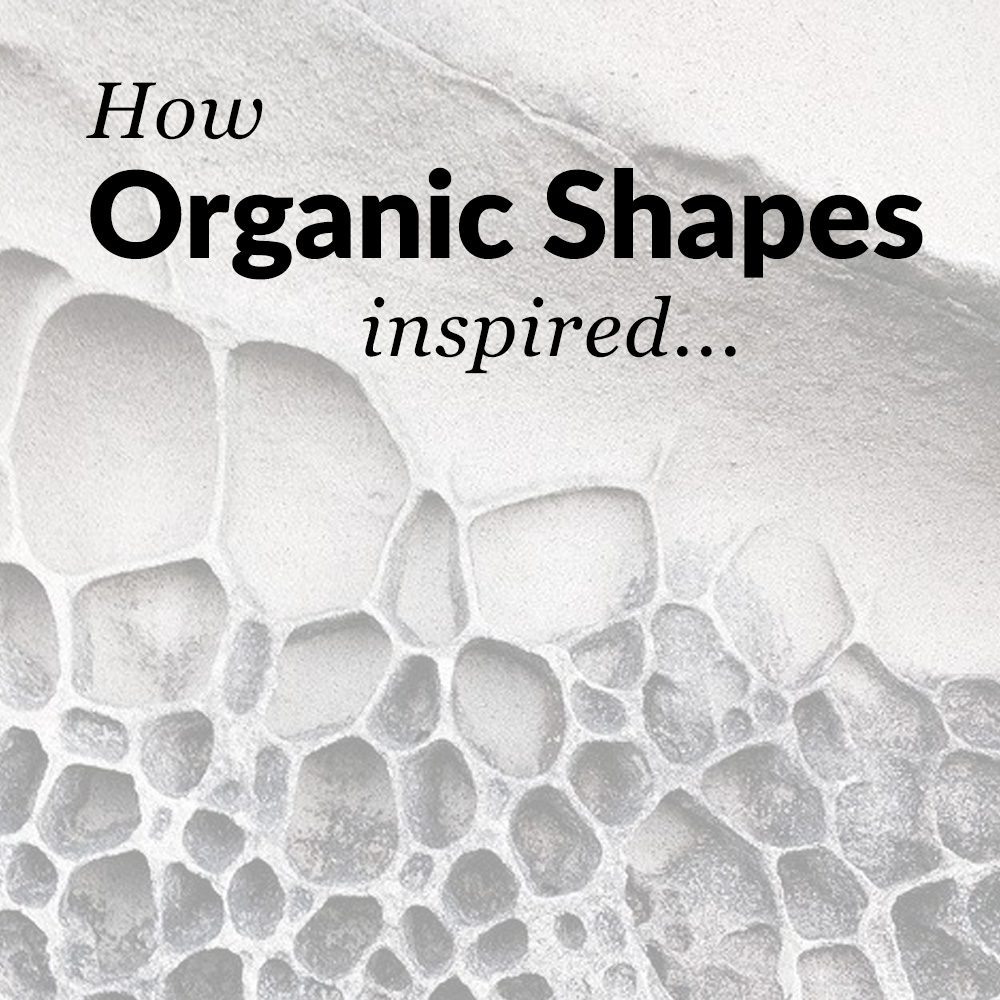
Her adaptive bicycle saddle is "inspired by organic patterns found in nature".
Pressure-point analysis tailors each saddle to its rider, and it's 3D printed as one lightweight, (re)cyclable structure.
Nature rarely glues different materials together. It builds many functions into one, and this saddle does the same.
🕸️ Inspired by: Organic patterns
📍 Where: Netherlands
🎯 Innovation / Function: Custom bike saddle, distribute pressure, fit form to function, use one material for many functions
✏️ Biomimicry Product: Studio Lilian van Daal, with Studio MOM
5. How wool and fungi are (re)thinking cycling bib shorts

Closer to home, Biomimicry Practitioner Lian van Leeuwen asked a big question about a small part of the kit: how can performance gear move from extractive to regenerative?
Her project focused on the cycling chamois. She studied the α-keratin in wool, which is flexible, insulating and antimicrobial, and the shock-absorbing structures of fungi such as mycelium and amadou. Those lessons shaped how she approached layering, padding and even disassembly at the end of the shorts' life.

As Lian puts it: "If we really want to solve our biggest challenges, it is key to not only be inspired by nature, but start acting like it."
🍄 Inspired by: Wool keratin, mycelium and amadou fungus
📍 Where: In partnership with Learn Biomimicry, via our Biomimicry Practitioner Programme
🎯 Innovation / Function: Life-friendly cycling chamois, cushion impact, regulate temperature, protect from microbes
✏️ Biomimicry Project: Lian van Leeuwen (read her full story here)

Free eBook
A Field Guide to Biomimicry
10 years to build, 10 minutes to read. Gain the skills to apply biomimicry to your business, projects and daily life.
Get the free eBook →6. How gecko feet helped a human climb a glass wall
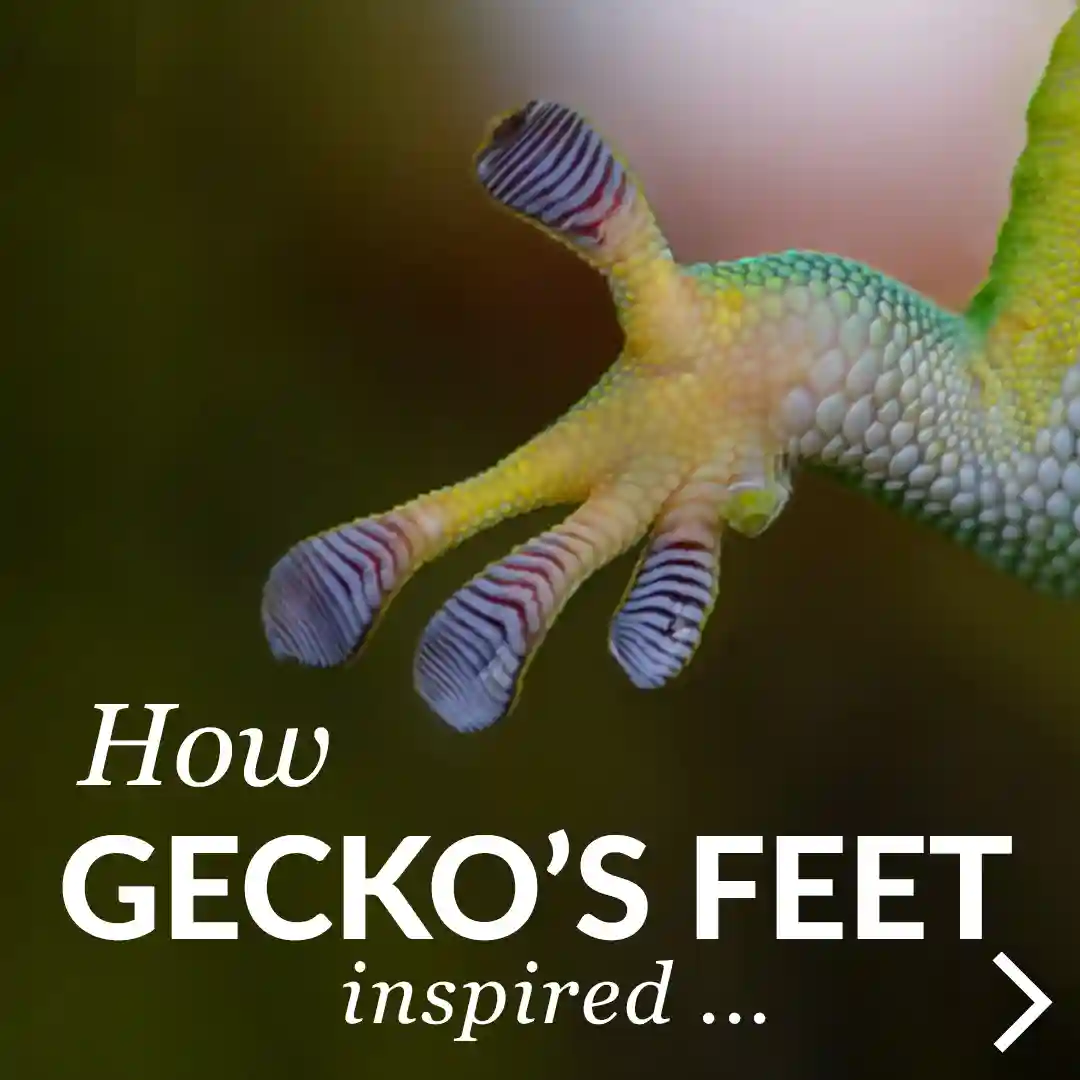
Geckos walk up glass without a drop of glue. Their toes are lined with millions of tiny hairs that get so close to a surface that weak molecular attractions, called van der Waals forces, add up to a remarkable grip.
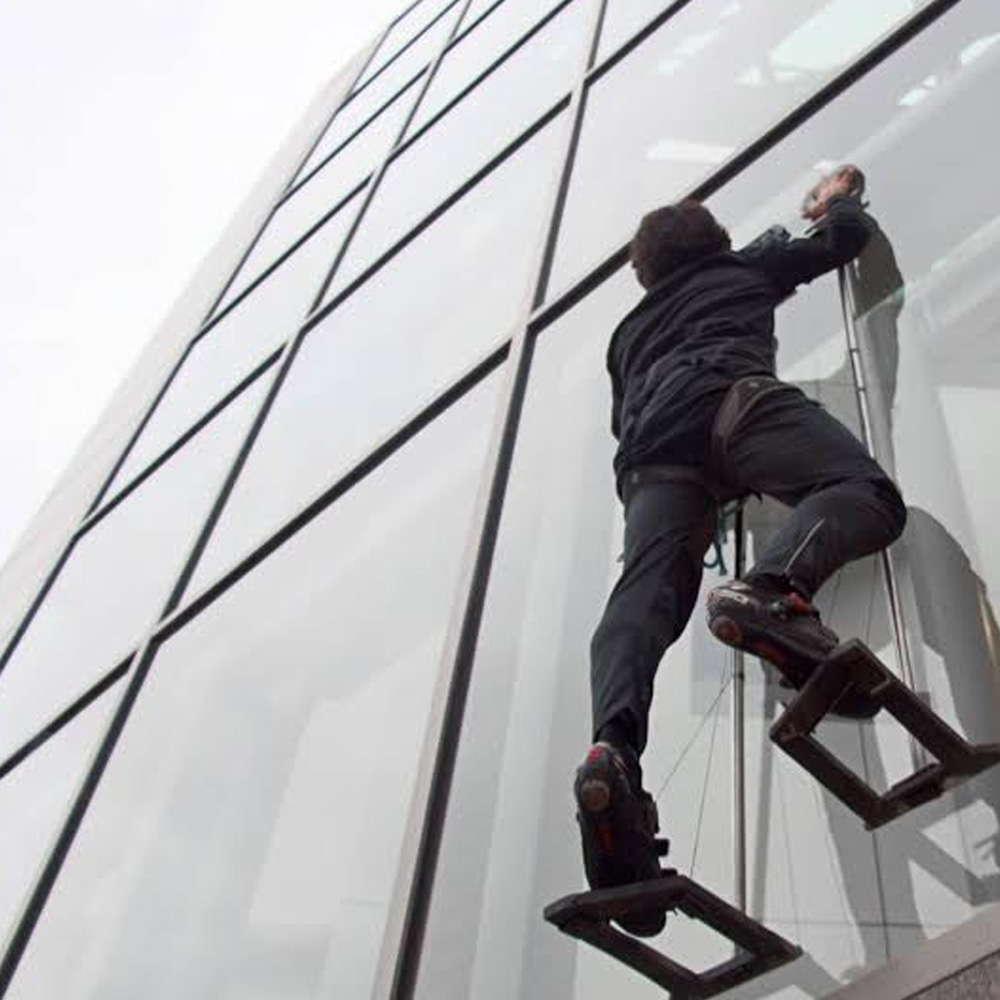
In late 2014, Elliot Hawkes from Mark Cutkosky's lab at Stanford became the first human to scale a sheer glass wall using gecko-inspired hand pads. Each pad held 24 postage-stamp-sized tiles, and each tile carried 416 microscale silicone ridges. Press down and the ridges splay out and grip; lift your hand and the stickiness switches off.
The pads only work on smooth, clean surfaces, so rock climbers will be keeping their chalk bags for now. The same gecko trick has already found its way into glue-free carpet tiles.
🦎 Inspired by: Gecko toe pads
📍 Where: Stanford University, USA
🎯 Innovation / Function: Dry adhesive climbing pads, attach temporarily, climb smooth surfaces
✏️ Biomimicry Invention by: Elliot Hawkes and the Cutkosky lab, Stanford
7. How the dolphin's tail inspired a fin that outswims Michael Phelps
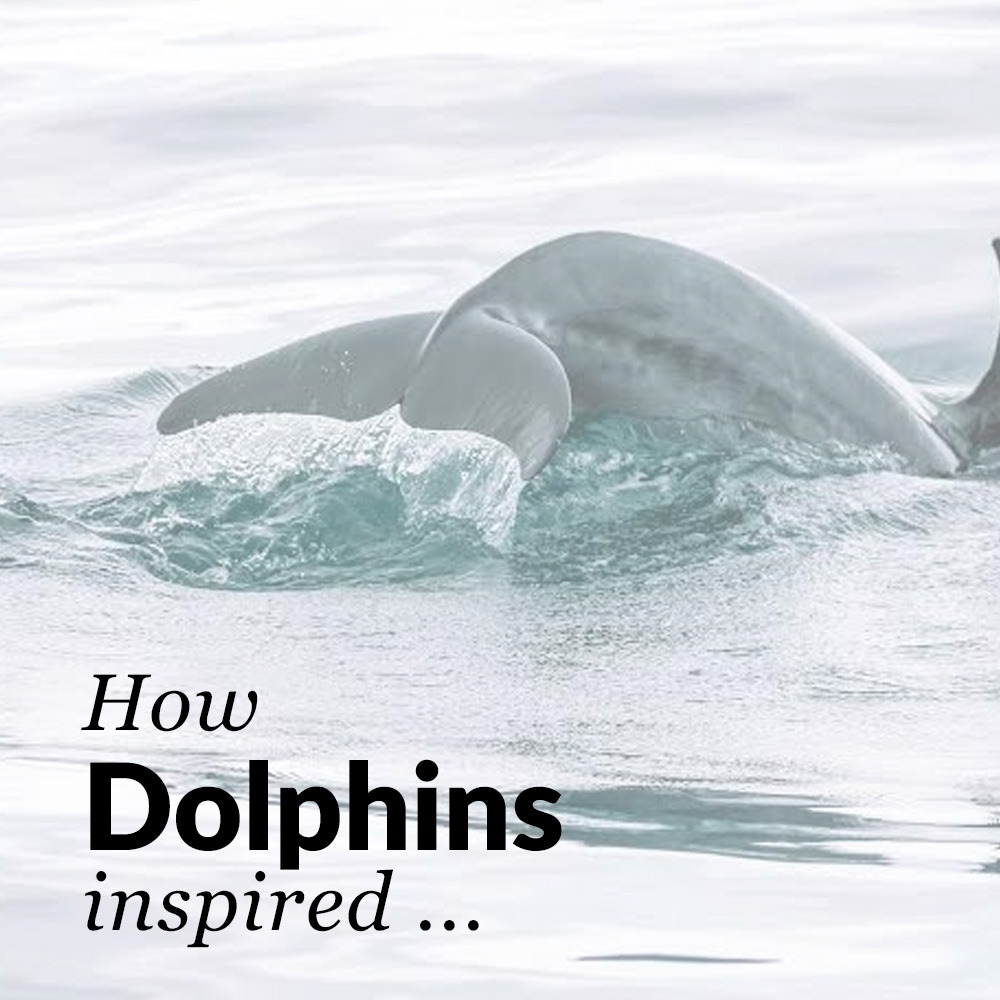
Dolphins can swim at up to 53 km/h and turn up to 80% of their energy into thrust. Engineer Ted Ciamillo, better known for building high-performance bicycle brakes, wanted some of that for humans.
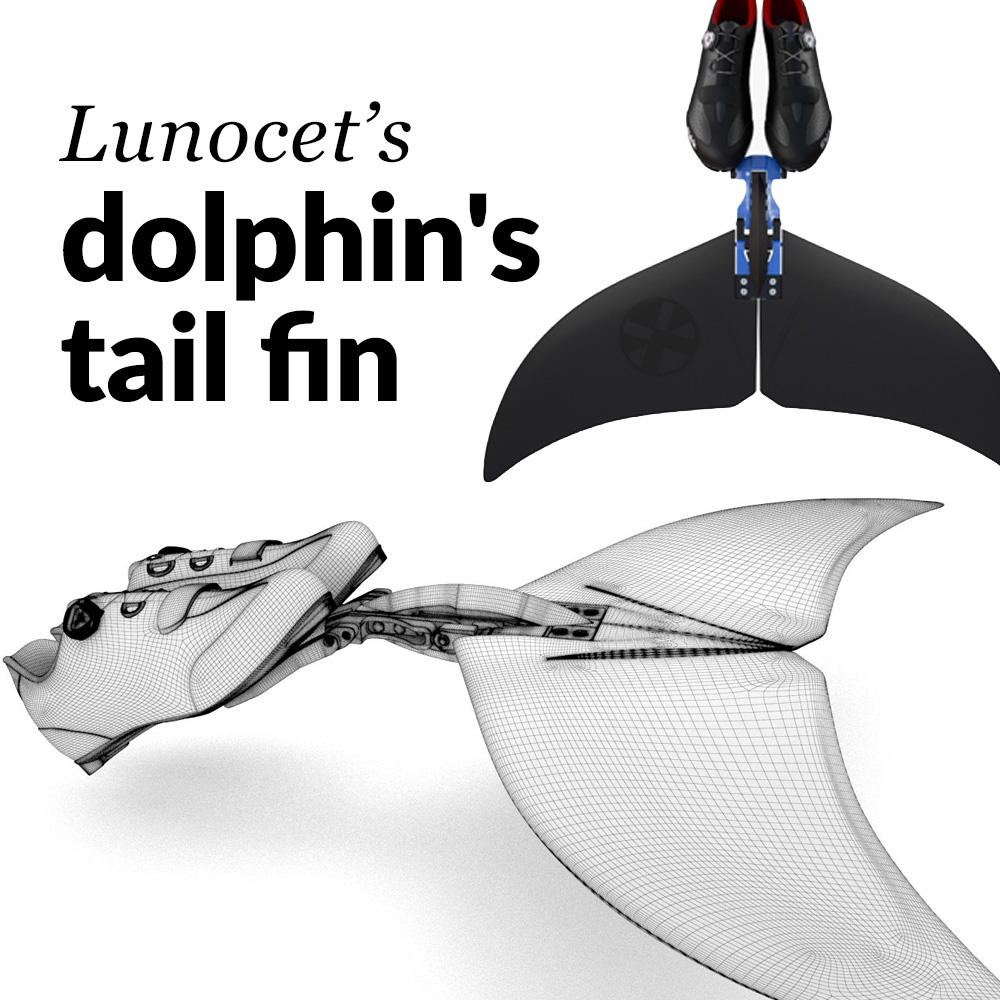
Working with CT-scan data of dolphin tails from biologist Frank Fish, he built the Lunocet: a carbon fibre and fibreglass monofin about 107 cm wide and just over 1 kg. It has almost three times the surface area of a standard swim fin and works like a wing, generating lift with every kick.
Users have reached about 13 km/h, nearly twice as fast as Michael Phelps at full speed. Fin-tastic.
🐬 Inspired by: The dolphin's tail (fluke)
📍 Where: Georgia, USA
🎯 Innovation / Function: Monofin for freediving and fin swimming, move through liquids, generate thrust
✏️ Biomimicry Product: Lunocet by Ted Ciamillo
8. How the brain's own protection inspired safer helmets


Sometimes the best biological model is a little closer than we think.
Your brain floats in cerebrospinal fluid, which lets it move slightly within the skull when your head takes a knock.
The MIPS system copies that idea. A low-friction layer inside the helmet lets it slide a few millimetres relative to your head during an angled impact. In the words of CUBE, the layer "mimics the brain's own protection system."
You'll now find MIPS liners in cycling, ski and equestrian helmets. Humans are part of nature too, and our own bodies are full of ideas.
🧠 Inspired by: Cerebrospinal fluid around the brain
📍 Where: Sweden
🎯 Innovation / Function: Helmet liner, manage impact, protect from rotational forces
✏️ Biomimicry Product: MIPS
9. How leaves inspired sportswear that breathes

Plants keep cool by transpiring, releasing water vapour through tiny pores in their leaves.
Stomatex, invented by Nigel Middleton, is "inspired by the physics of transpiring plant leaves". It's made from closed-cell neoprene shaped into dome-shaped chambers, each with a tiny pore at its centre. Sweat vapour escapes, while the neoprene keeps muscles and joints warm.
It's used in sports supports and in clothing for snow sports and field sports. Breathe easy.
🌿 Inspired by: Transpiring plant leaves
📍 Where: UK
🎯 Innovation / Function: Breathable neoprene, regulate temperature, manage moisture
✏️ Biomimicry Product: Stomatex
10. How the lotus leaf keeps mud off your kit

The lotus grows in muddy water, yet its leaves stay spotless. A microscopic texture makes water bead up and roll off, carrying dirt with it. We've written about the lotus effect before.
Swiss textile maker Schoeller took the idea into outdoor and sports clothing with NanoSphere, a finish that creates a microscopic 3D surface that repels water, dirt and oil. It draws on "the same qualities found in nature with beetle shells, lotus leaves, cabbage, honeybee wings and other creations." One tester rode a bike through mud, then wiped his NanoSphere trousers clean.
Brands such as Mammut and Outdoor Research have used it in jackets, trousers and packs.
🪷 Inspired by: Lotus leaves (and beetle shells)
📍 Where: Switzerland
🎯 Innovation / Function: Self-cleaning textile finish, repel water and dirt, keep clean
✏️ Biomimicry Product: Schoeller NanoSphere
Special Mentions
Five more that didn't make the podium, but deserve a lap of honour.
Humpback whale surf fins
The same whale bumps from #3 have been tested in the surf. A 2020 study in PLoS ONE tracked surfers over almost 2,000 ocean waves and found that whale-inspired fins gave significant improvements in power generation compared with standard fins.
🐋 Inspired by: Humpback whale fins
🎯 Function: Generate drive, turn efficiently
The Q-Collar
A woodpecker hammers a tree with its head without (apparently) a headache. The Q-Collar, worn by some American football players, lightly presses on the neck's jugular veins to reduce the brain's "slosh" during impacts. The FDA authorised it in 2021, but its label states the data do not show it can prevent concussion, and FDA reviewers doubted the evidence. A good reminder that "inspired by nature" is a starting point, not proof.
🐦 Inspired by: Woodpeckers
🎯 Function: Manage impact, protect the brain
MIT's bioLogic workout suit
Pine cones open and close as the humidity changes. In 2017, MIT Media Lab built a running suit with flaps lined with live microbial cells that open as you sweat and close again as you cool down.
Living ventilation, quite literally.
🌲 Inspired by: Pine cones
🎯 Function: Regulate temperature, respond to moisture
Amphico

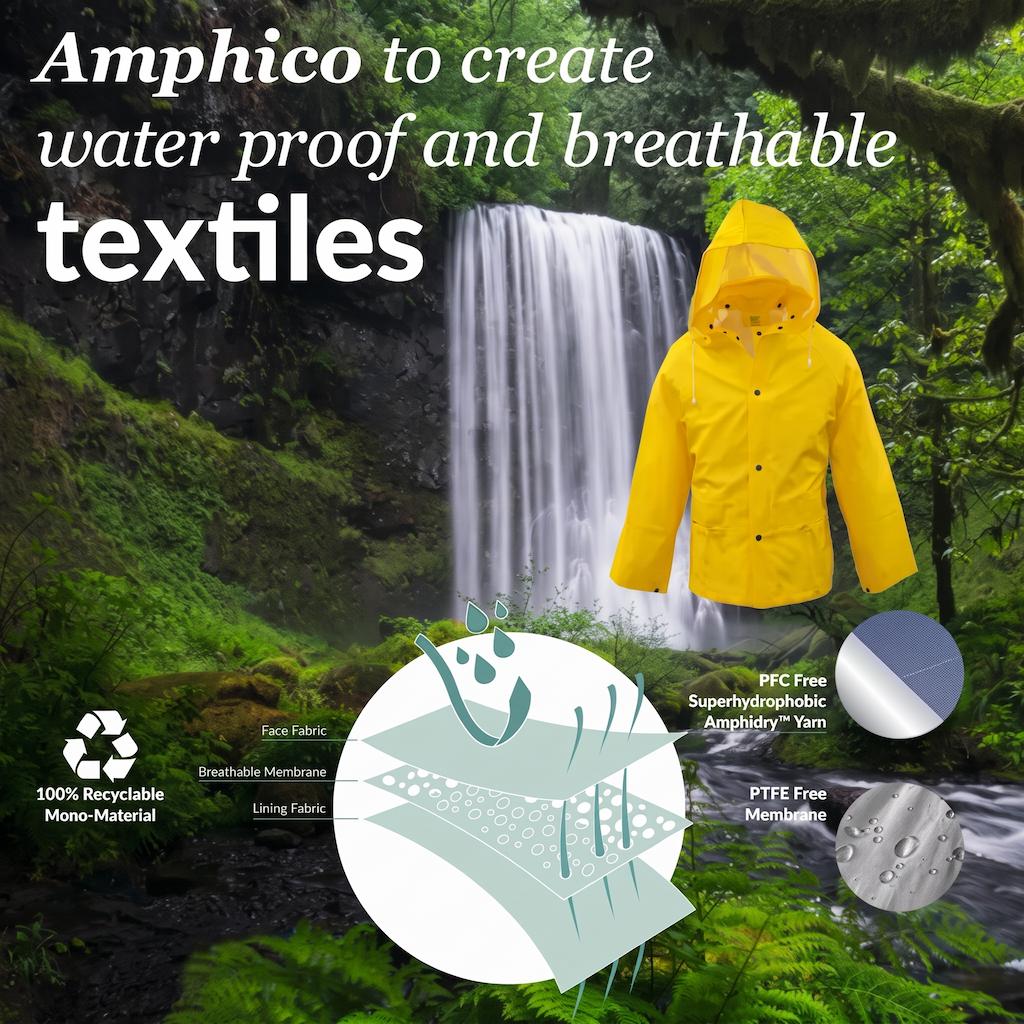
Most waterproof sportswear relies on chemical treatments. UK start-up Amphico takes its cue from liquid-repellent nanostructures in nature to make a waterproof, breathable textile from one material, with no PFAS.
Originally featured in our 10 Biomimicry Product Examples.
💧 Inspired by: Liquid-repellent nanostructures
🎯 Function: Expel liquids, use life-friendly chemistry
Adidas Futurecraft Biofabric
In 2016, Adidas showed a prototype running shoe with an upper made from Biosteel, a fibre from German biotech AMSilk inspired by spider silk. The upper was biodegradable; the foam sole, less so. Spider silk is a favourite of ours, as Spintex shows.
🕷️ Inspired by: Spider silk
🎯 Function: Strong, lightweight, biodegradable fibre
And Finally: The One We All Take for Granted

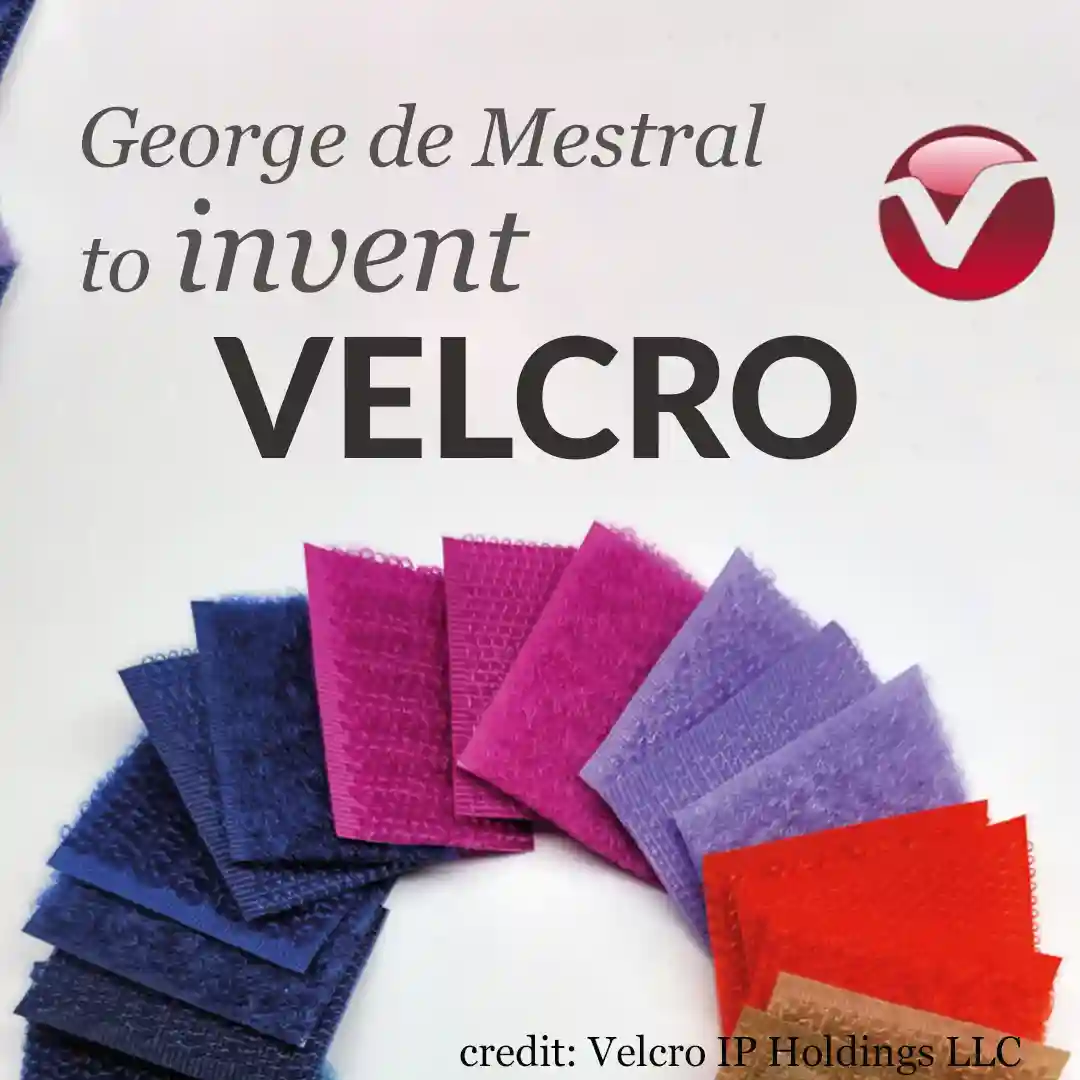
Look down at your kit. The straps on your cycling shoes, your shin pads, your boxing gloves, the cuffs of your rain jacket. Chances are, some of it is held together by a plant.
In 1941, Swiss engineer George de Mestral came home from a walk to find burs clinging to his clothes and his dog's fur. Up close, each bur was covered in hundreds of tiny hooks that caught on anything with a loop. That observation became the hook-and-loop fastener we now know as Velcro.
Today it's so ubiquitous in sport that we barely notice it. Perhaps that's the greatest compliment a nature-inspired innovation can get: it simply becomes part of everyday life.
🌱 Inspired by: Bur seeds of the burdock plant
📍 Where: Switzerland
🎯 Innovation / Function: Non-chemical fastener, attach temporarily
✏️ Biomimicry Invention: Velcro, by George de Mestral
Want more classics like this? Read: The Complete History of Biomimicry (with Examples) and 50 of the World's Best Biomimicry Examples
Frequently Asked Questions
What is biomimicry in sport?
Biomimicry in sport means designing equipment, clothing or techniques by learning from how plants, animals and ecosystems solve the same challenges: moving through water and air, gripping, absorbing impact and staying cool.
What is the most famous example of biomimicry in sport?
Speedo's shark-skin-inspired swimsuits. The LZR Racer, developed with NASA, was worn for 23 of the 25 world records broken at the 2008 Beijing Olympics.
Are shark-skin swimsuits banned?
Full-body swimsuits like the LZR Racer were banned by FINA (now World Aquatics) from 1 January 2010. Swimmers today wear shorter suits made from textile fabrics.
Is the running blade an example of biomimicry?
Yes. Van Phillips shaped the original Flex-Foot blade on the C-shaped hind leg of a cheetah, and the curved carbon blade stores energy and gives it back with every stride.
Conclusion
From the pool to the peloton, we can find new innovations in nature.
To do biomimicry, we start with a simple question: "What would nature do?"
Sometimes the answer is a shark. Sometimes it's a whale. Sometimes it's a leaf, a pine cone or the fluid around your own brain.
And sometimes, as Speedo found out, nature sparks the idea and years of testing finish the job.
It also shows that biomimicry isn't only for big brands with huge R&D budgets. Lian's chamois started as a Biomimicry Practitioner project.
Nature has been setting personal bests for 3.8 billion years.
Maybe it's time we trained with nature... and not just in nature.
Wild regards
Alistair Daynes, Biomimicry Practitioner
PS - Whenever you're ready, there are three ways Learn Biomimicry can help you:
→ 1. The Biomimicry Short Course Set: Join 1,679+ learners, from 41+ countries and start your biomimicry journey today.
→ 2. The Biomimicry Practitioner Programme: Accelerate your career with a 6-month, part-time, mentored programme and a real project of your own.
→ 3. The Biomimicry Educator Programme: Build your own biomimicry curriculum, course or workshop series.
Biomimicry and Sports References and Sources:
- Shark skin: NASA Tech Today, Physics Today, Harvard Gazette, LZR Racer (Wikipedia)
- Running blade: Lemelson-MIT, Van Phillips, Flex-Foot Cheetah (Wikipedia)
- Whale wheels: BikeRadar, Velo
- Saddle: Studio Lilian van Daal, Dezeen
- Chamois: Cycling with Nature
- Gecko climbing: Cosmos, Stanford News
- Lunocet: Scientific American
- MIPS: CUBE
- Stomatex: Wikipedia
- NanoSphere: GearJunkie
- Special mentions: PLoS ONE surf fins, Q-Collar (ASME), Q-Collar evidence (ADN), bioLogic (MaterialDistrict), Adidas Biofabric (MaterialDistrict), Amphico
- Velcro: Velcro timeline of innovation, The Complete History of Biomimicry
6-Month Programme
Upskill your career
Accelerate your career with the Biomimicry Practitioner Programme, and a real project of your own.
See the programme →
Here’s the one biomimicry course you need that turns these examples and insights into a skill set. Trusted by 1,679+ Learners. Three self-paced courses, one price. $198 US.
10 years to build, 10 minutes to read. This eBook is the essence of biomimicry.
Recent Posts