
10 of the Best Biomimicry Examples for 2026
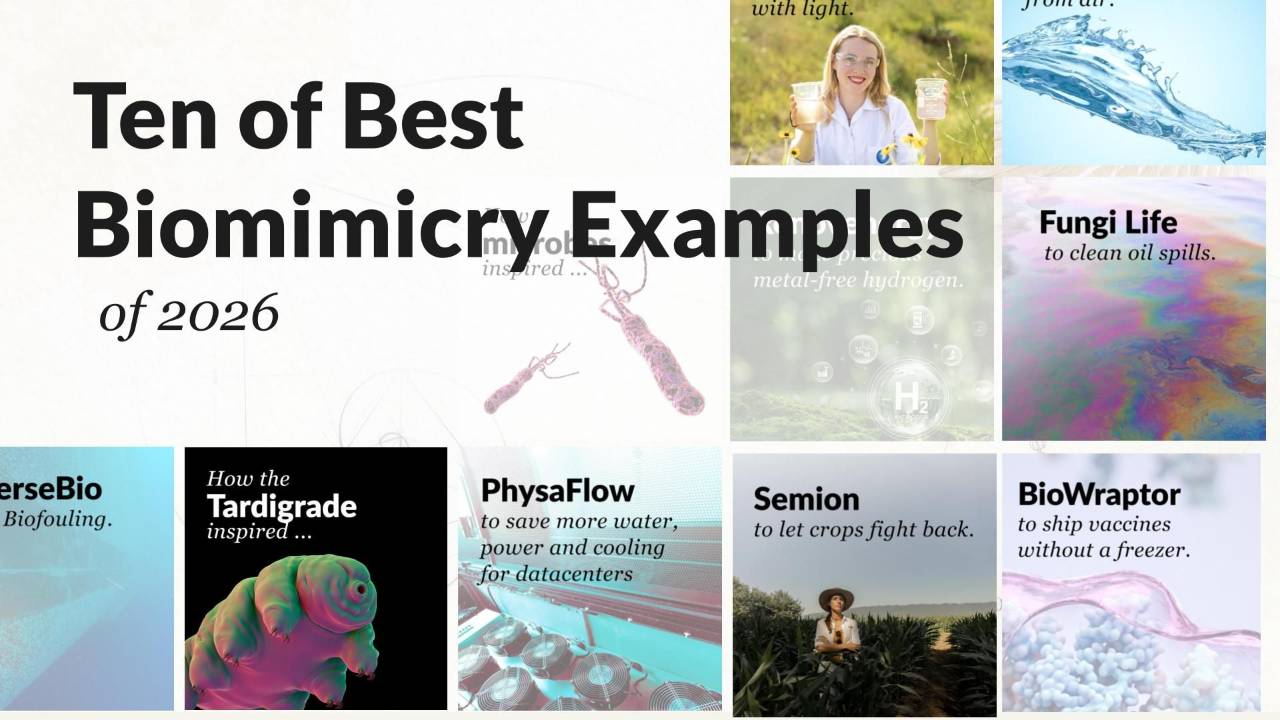
10 of the Best Biomimicry Examples for 2026
Ten companies, four countries, one question: how would nature solve this?
Every year, a new cohort of founders stops asking "how do we fix this?" and starts asking a much older, much wiser question: how would nature solve this?
This year's answer arrived in the form of the 2026 Ray of Hope Accelerator cohort - ten startups selected from a competitive global pool by The Biomimicry Institute. I had the privilege of serving on the 20-member selection committee, and I can tell you: the science just keeps getting sharper.
These aren't companies that borrow how nature looks. They're learning how nature works - the chemistry of a tardigrade surviving total dehydration, the network intelligence of a 500-million-year-old slime mold, the wave motion of a caterpillar hauling itself uphill - and turning that 3.8 billion years of R&D into solutions for our hardest problems: the climate crisis, toxic chemistry, water scarcity, and the runaway energy appetite of AI.
The Ray of Hope Accelerator is, well... accelerating what nature already knows.
So here are ten biomimicry breakthroughs from 2026 that use nature's wisdom to build a life-friendly future.
1. BioWraptor: How the Tardigrade Is Helping Us Kill the Cold Chain
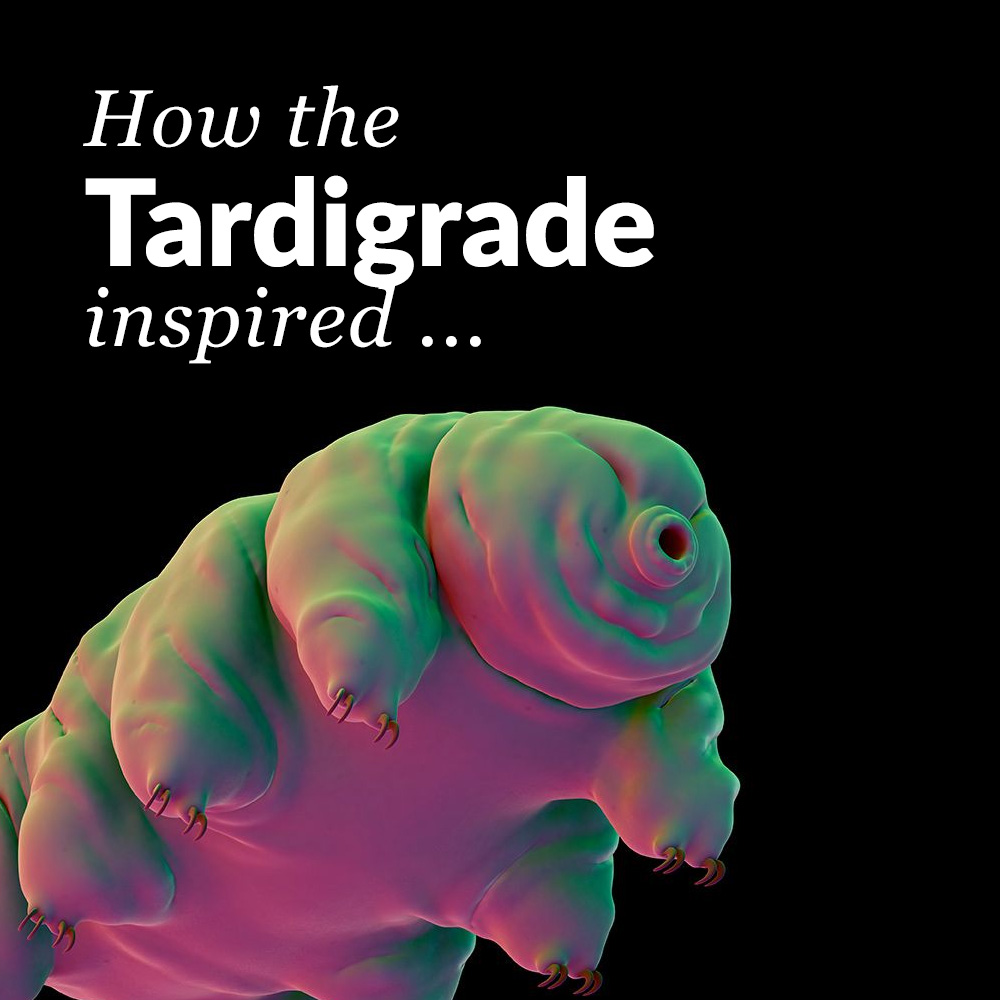
Vaccines, enzymes, and other perishable biomolecules usually need an expensive, energy-hungry cold chain - refrigerated trucks, freezers, dry ice ... just to survive the journey from lab to patient.
The tardigrade doesn't bother with any of that. This microscopic "water bear" can dry out almost completely, pause its metabolism, and spring back to life years later, thanks to special protective proteins.
BioWraptor borrowed that trick. Its tardigrade-inspired synthetic peptides wrap fragile biomolecules in a protective shell that shields them from heat and degradation, so they can travel and be stored at room temperature. Goodbye cold chain.
🐾 Inspired by: The Tardigrade (water bear)
📍 Where: New York City, USA
🎯 Innovation / Function: Synthetic peptides that protect perishable biomolecules from heat, eliminating cold-chain logistics
✏️ Who: BioWraptor
2. DisperseBio: How Microbes' Own Chemistry Beats Biofilms Without Poison
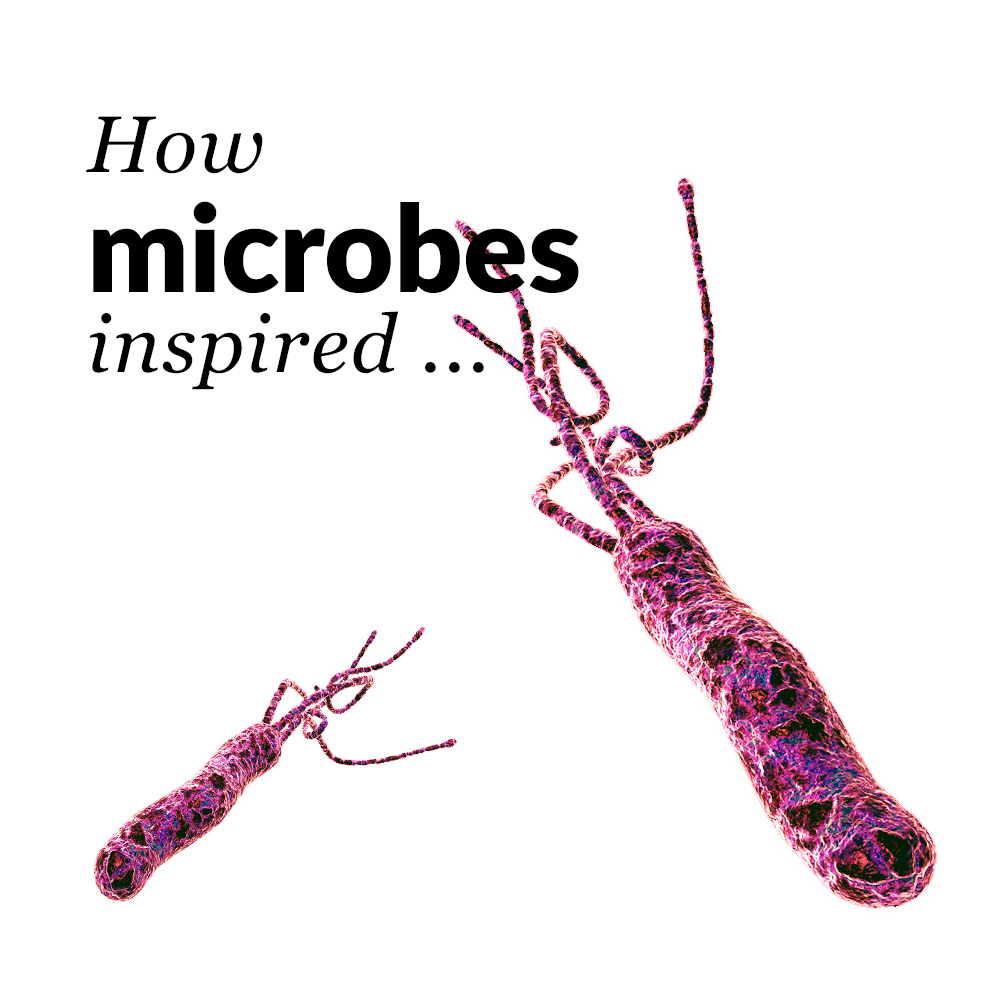
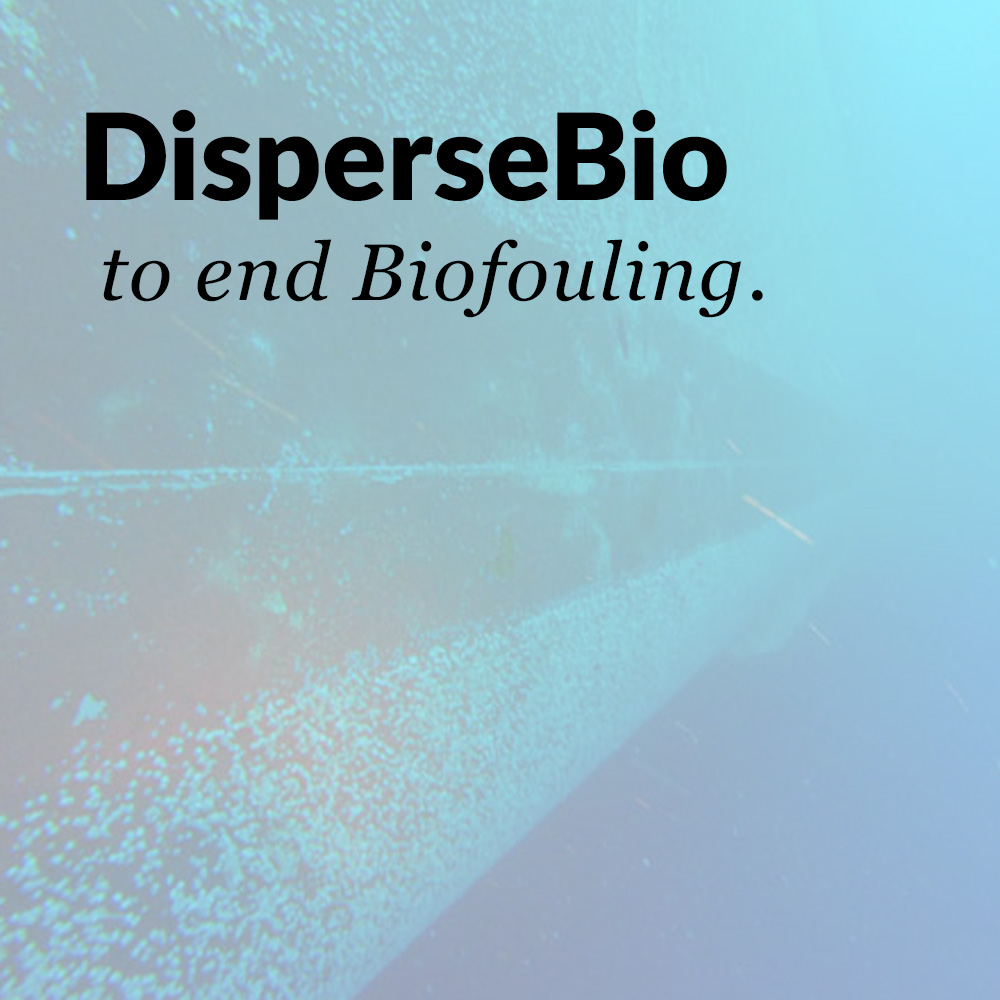
Biofilm and biofouling quietly cause over $100B in damage every year... clogging pipes, fouling ship hulls, corroding industrial systems. The usual fix is toxic biocides, which harm everything else in the water too.
Nature has a subtler approach. Microbes already know how to disperse their own biofilms when conditions call for it. They have natural, built-in "time to move on" signals.
DisperseBio's biomimetic peptides activate those natural dispersal pathways instead of carpet-bombing with chemicals. The biofilm breaks up on nature's terms, no toxins required.
🦠 Inspired by: Microbes' natural biofilm dispersal signals
📍 Where: Israel
🎯 Innovation / Function: Biomimetic peptides that trigger microbes' own dispersal pathways to control biofouling
✏️ Who: DisperseBio
3. Fungi Life: How Fungi Are Teaching Us to Clean Up Oil Spills
Oil spills and hydrocarbon-contaminated soil are notoriously stubborn to clean. Many bioremediation approaches rely on releasing live microbes into the environment — which brings its own risks.
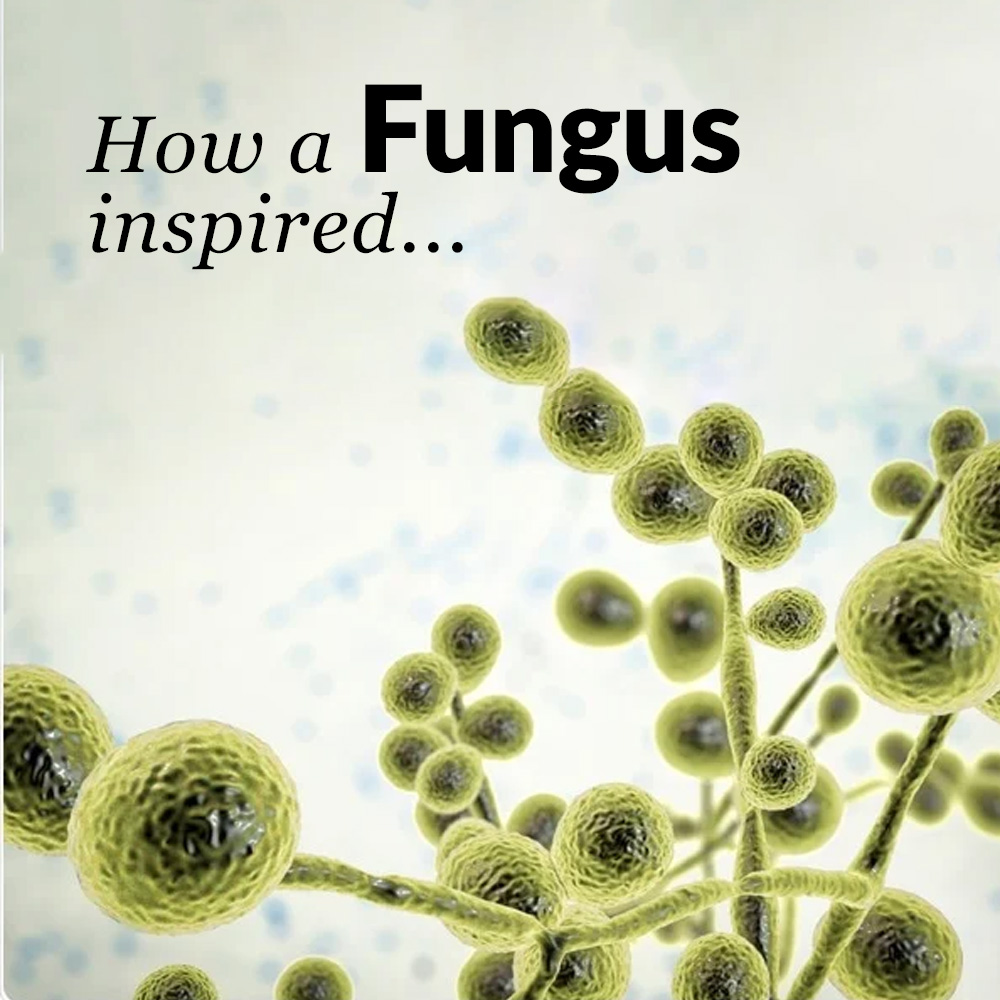
Fungi have spent millions of years perfecting the biochemistry of breaking down complex hydrocarbons — emulsifying them, then digesting them.
Fungi Life bottled the strategy, not the organism. Its cell-free formula replicates the fungal biochemistry that emulsifies and breaks down hydrocarbons — accelerating oil spill and soil remediation without introducing any live microbes into the ecosystem.
🍄 Inspired by: Hydrocarbon-digesting fungi
📍 Where: Medellín, Colombia
🎯 Innovation / Function: A cell-free formula that replicates fungal hydrocarbon breakdown for oil and soil remediation
✏️ Who: Fungi Life
4. Mireta Urban Dynamics: How Slime Mold Is Helping Us Design Smarter Cities
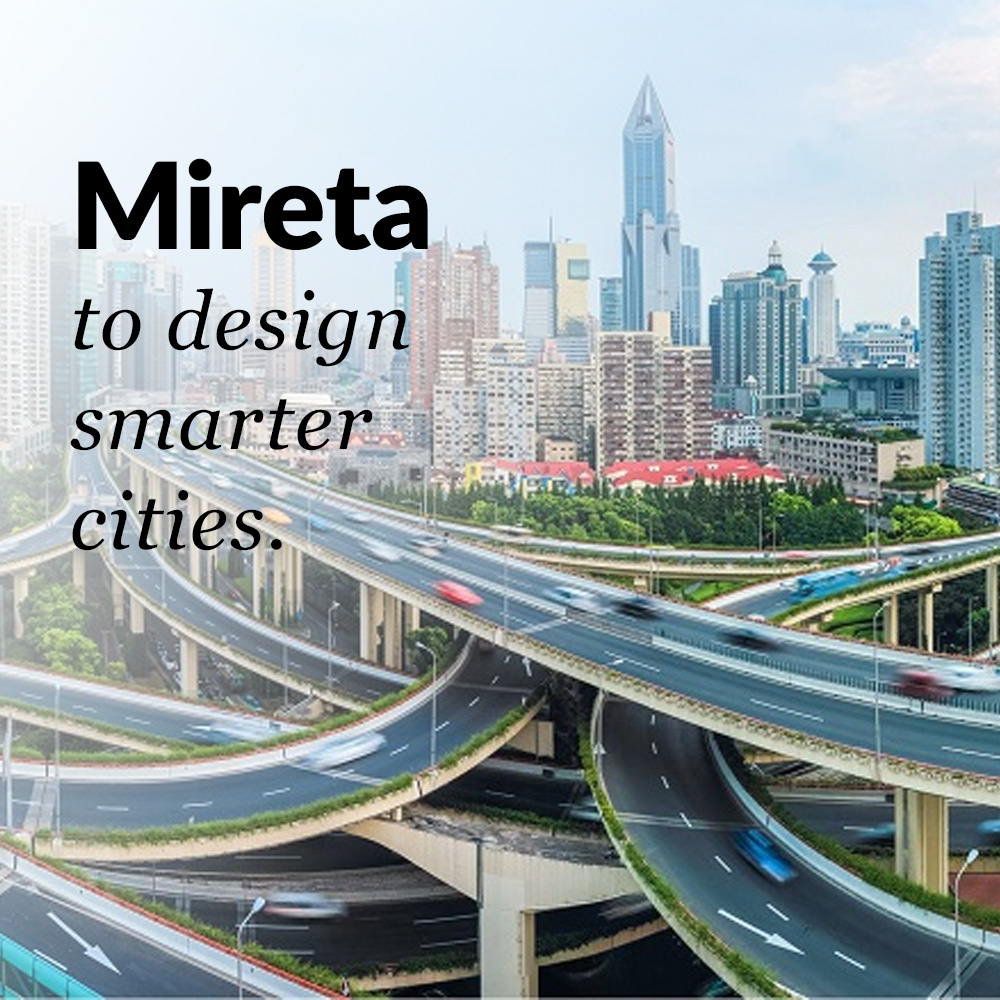
Designing resilient, resource-efficient city infrastructure — transit lines, utility grids, road networks — is fiendishly complex, and getting it wrong locks in decades of waste.
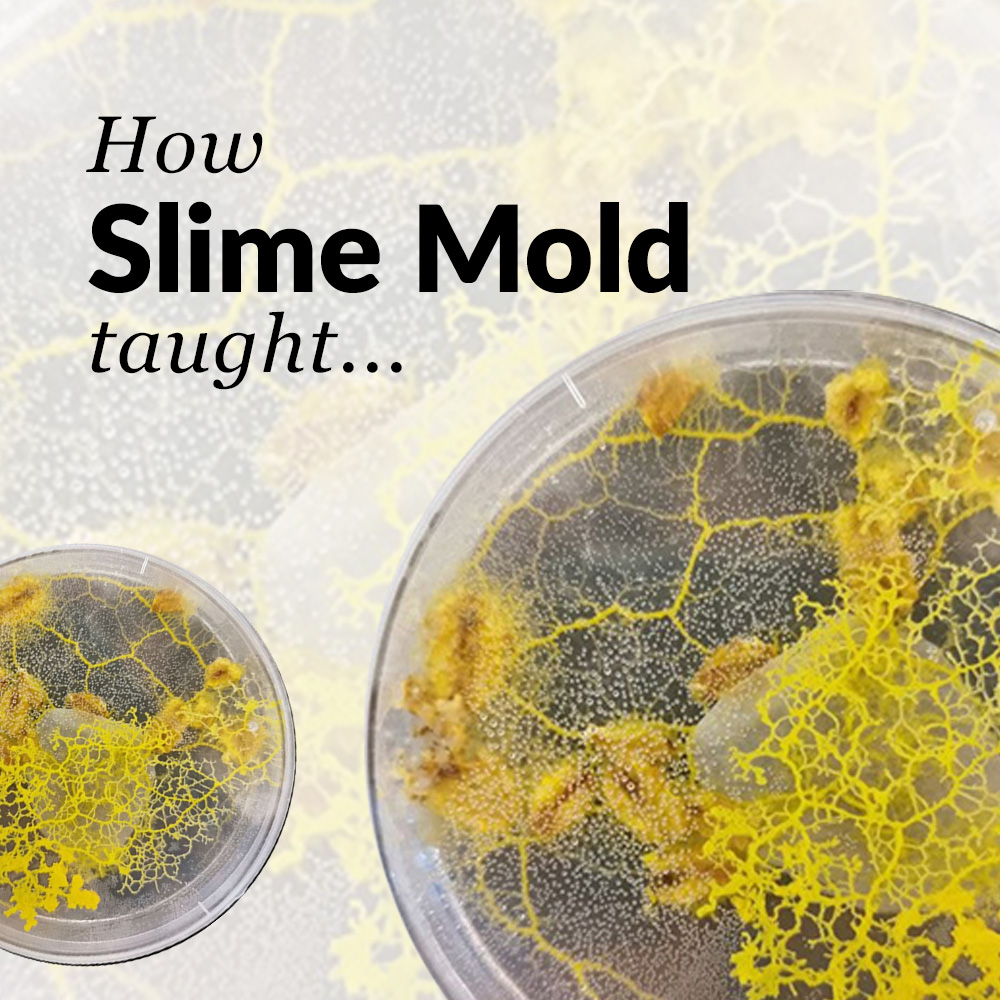
Enter an unlikely urban planner: slime mold. With no brain at all, this humble organism has spent 500 million years solving network problems, growing efficient, resilient connections between food sources (famously recreating the Tokyo rail network in a petri dish).
Mireta translated that network intelligence into generative design algorithms. Planners can feed in population data, flood maps, and constraints, and the software grows infrastructure networks that are markedly more resilient for the same cost.
🟡 Inspired by: Slime mold (Physarum polycephalum)
📍 Where: Cambridge, Massachusetts, USA
🎯 Innovation / Function: Generative design algorithms that grow resilient, efficient city infrastructure
✏️ Who: Mireta Urban Dynamics

Free eBook
A Field Guide to Biomimicry
10 years to build, 10 minutes to read. Gain the skills to apply biomimicry to your business, projects and daily life.
Get the free eBook →
5. PhysaFlow: How Nature's Flow Networks Unlock Stranded AI Data Centers
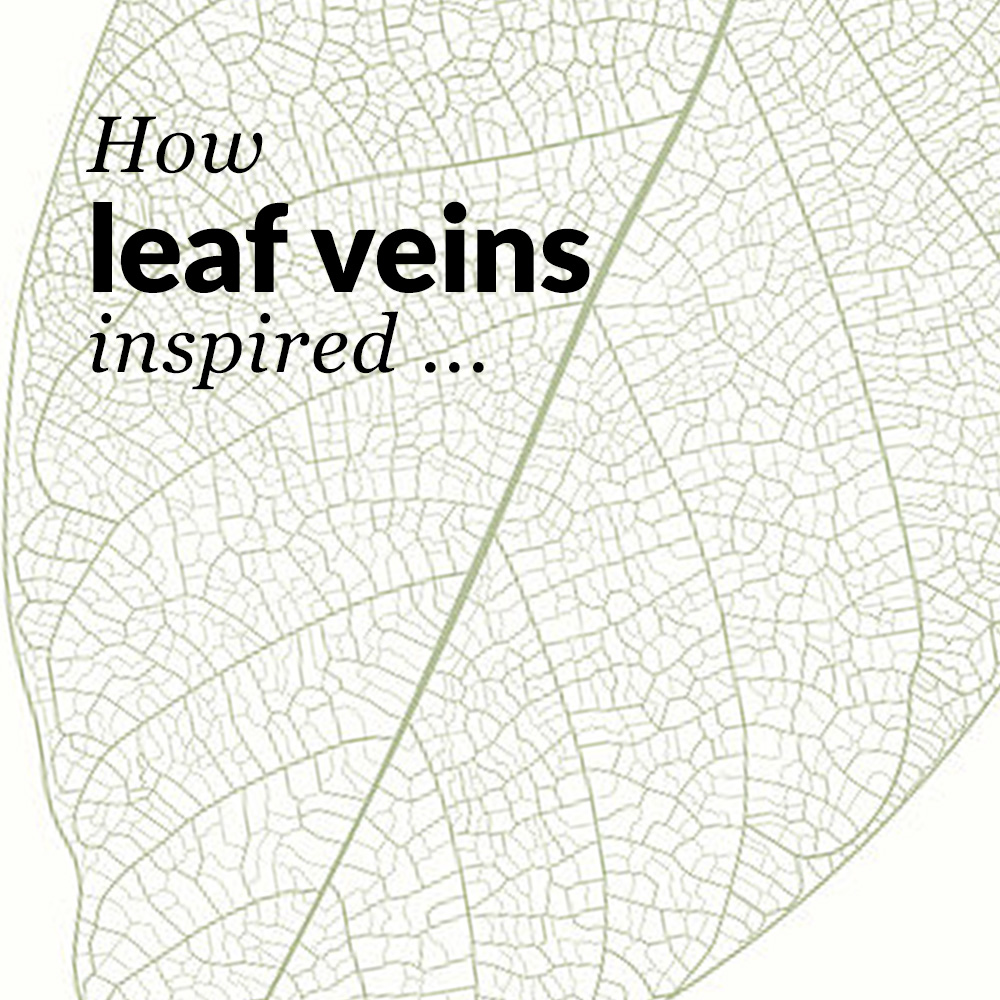
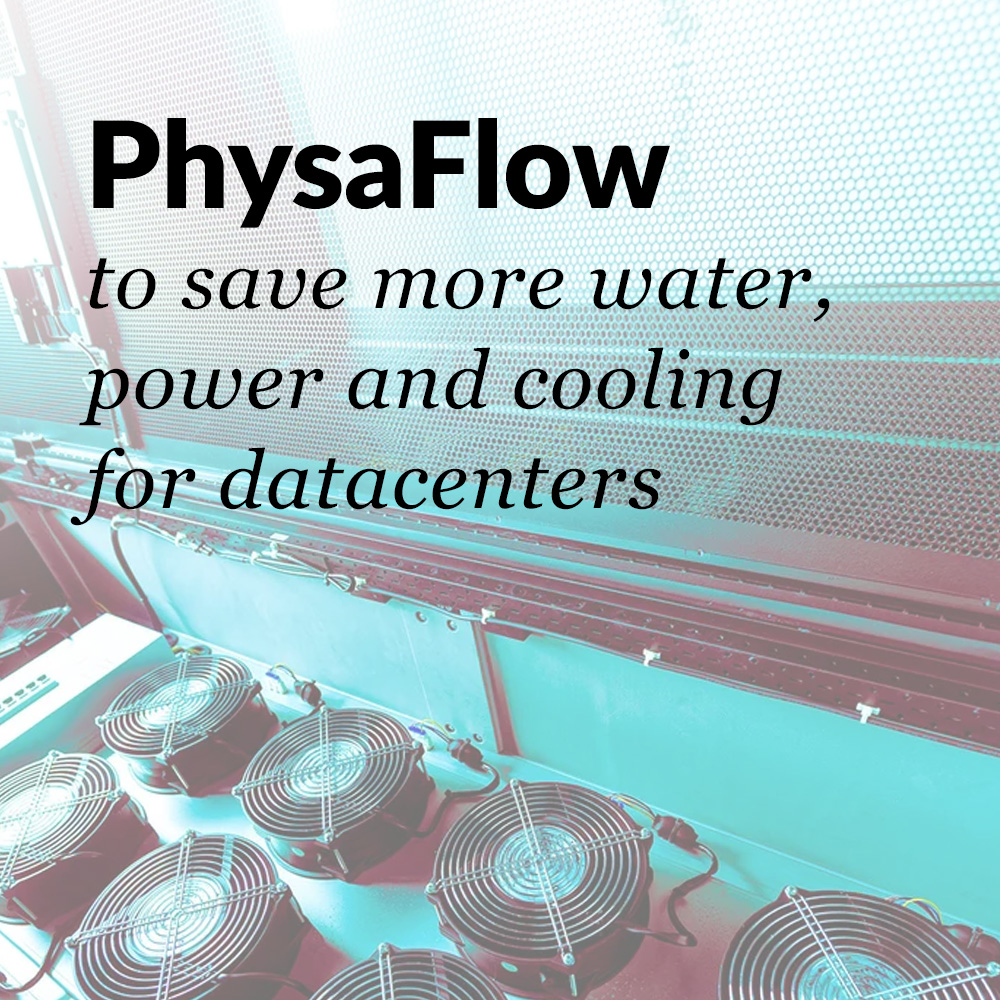
AI's energy demand is exploding — but here's the twist: an estimated 30–40% of existing data center capacity sits stranded and unused, bottlenecked by how power, cooling, and workloads are distributed.
Nature is the master of flow. Leaf veins, blood vessels, river deltas, fungal networks — biology has universal design principles for moving resources through a network with minimal waste.
PhysaFlow's edge-native AI platform applies those principles to the data center, progressively unlocking that stranded capacity — cutting power, cooling, and water use while increasing workload capacity, all within the infrastructure that already exists.
🍃 Inspired by: Biological flow networks (veins, vasculature)
📍 Where: United States
🎯 Innovation / Function: Edge-native AI that unlocks stranded AI data center capacity while cutting power, cooling, and water
✏️ Who: PhysaFlow
6. Renovenergy: How the Mitochondria Inspired Precious-Metal-Free Hydrogen
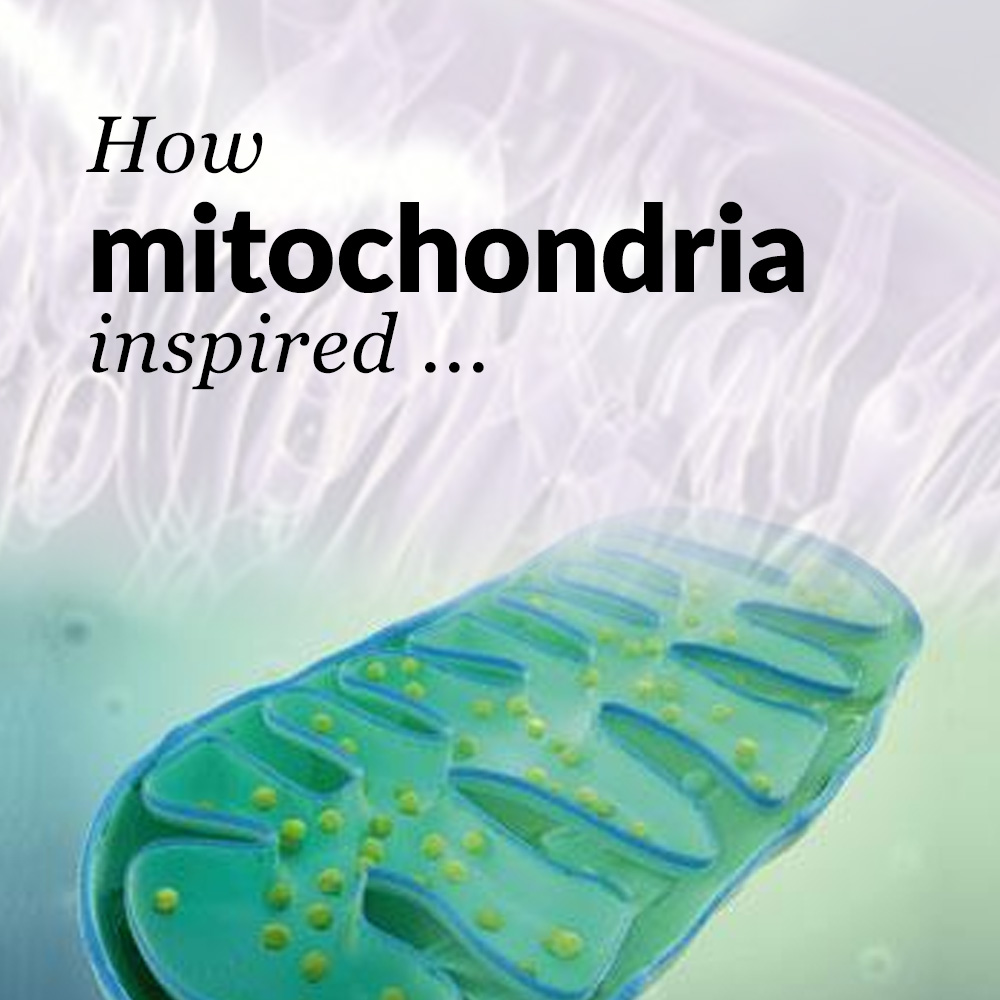
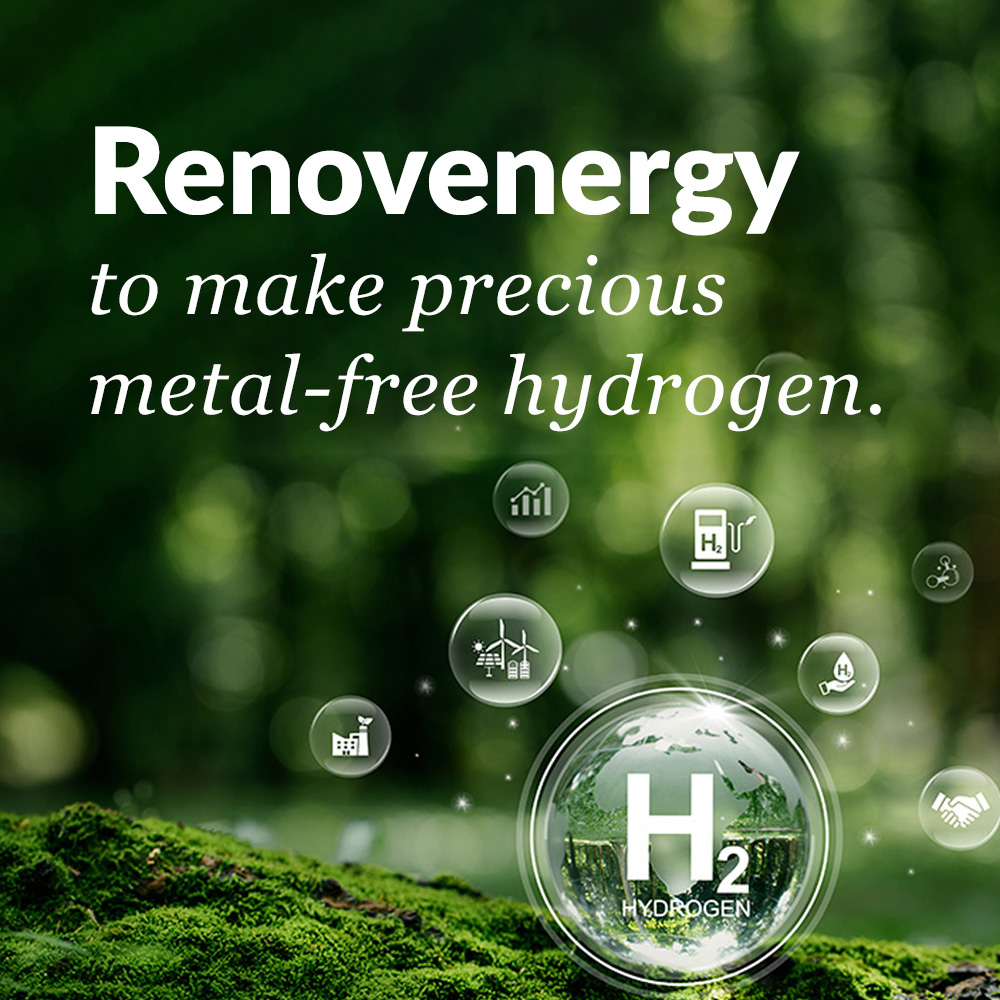
Green hydrogen is a keystone of the energy transition, but today's electrolyzers lean heavily on scarce, expensive precious metals — a hard barrier to scaling.
The mitochondria — the "powerhouse of the cell" — is nature's champion of efficient electron transfer, and it achieves this through exquisite nanoscale geometry, not rare materials.
Renovenergy mimicked that geometry. Its bioinspired silicon electrodes recreate the mitochondria's nanoscale structure to achieve high electron-transfer efficiency — delivering cost-effective green hydrogen without the precious metals.
🔋 Inspired by: Mitochondria (nanoscale geometry)
📍 Where: Colombia
🎯 Innovation / Function: Bioinspired silicon electrodes for cost-effective, precious-metal-free hydrogen electrolyzers
✏️ Who: Renovenergy
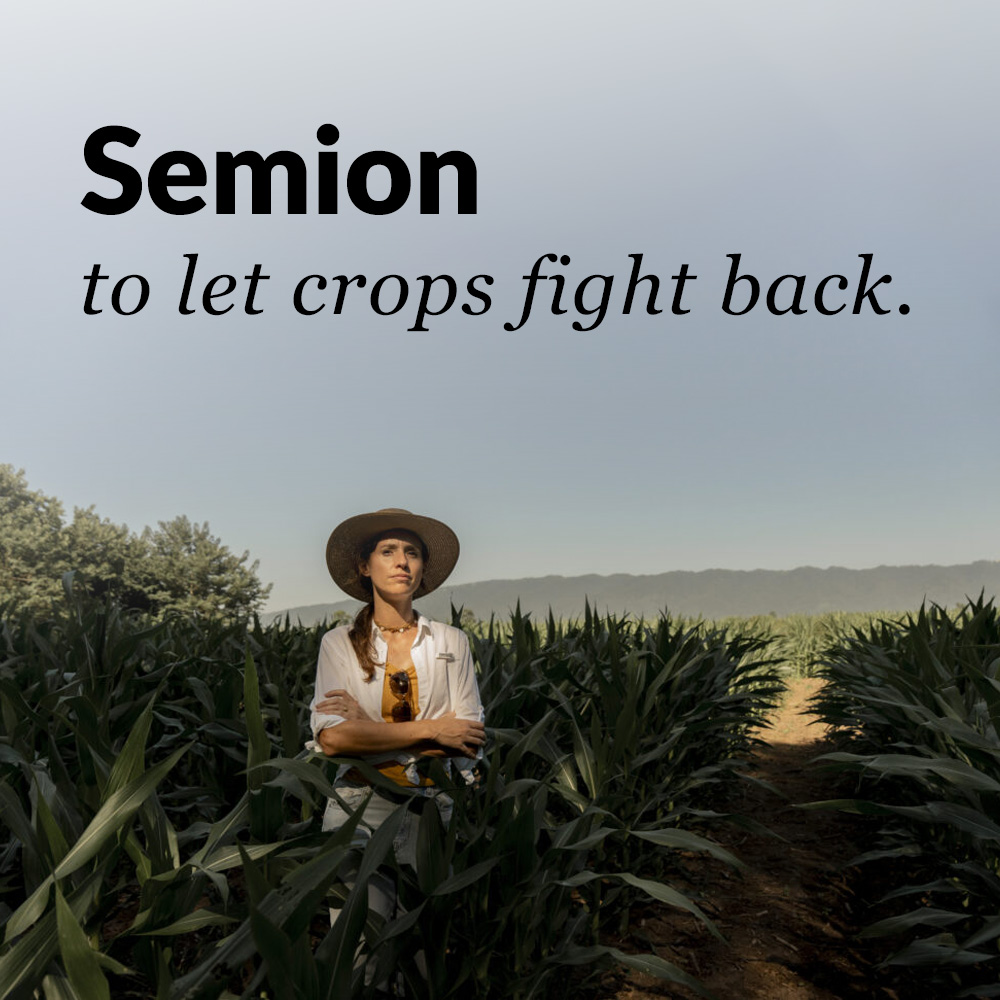
7. Semion: How Wild Plant Immunity Helps Crops Defend Themselves
Domestication made our crops bigger and tastier — but along the way, they lost many of the natural defenses their wild ancestors used to fend off pests and disease. So we compensate with pesticides.
Wild plants never needed them. They repel pests, summon the pests' natural predators, and shrug off disease using their own immune systems.
Semion restores those lost defenses - without targeting pests directly and without genetically modifying the crop. By activating plants' own immune responses, Semion helps crops repel pests, attract beneficial insects, and resist disease, the way nature intended.
🌱 Inspired by: Wild plants' natural immune defenses 📍 Where: United States 🎯 Innovation / Function: Activates crops' own immune responses to repel pests and resist disease — no pesticides, no GMOs ✏️ Who: Semion
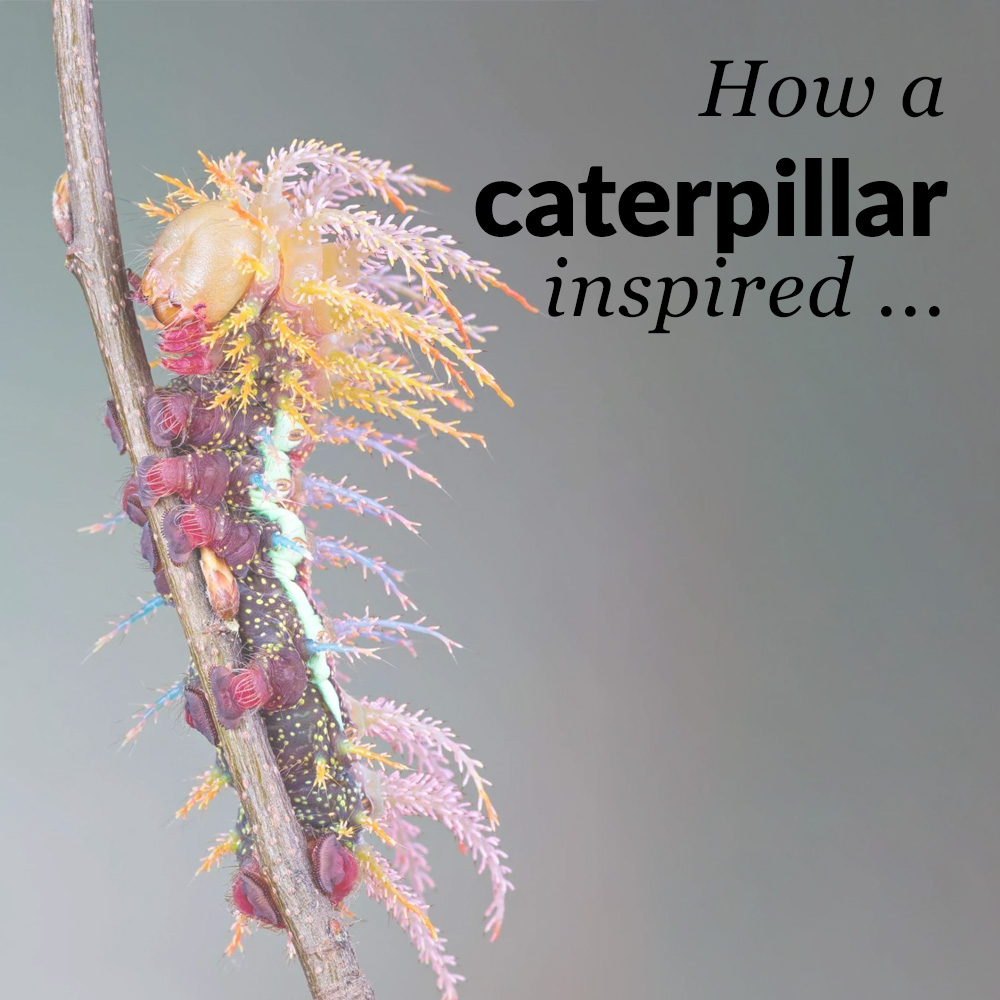
8. Terrament: How the Caterpillar's Wave Helps Us Store Energy Underground
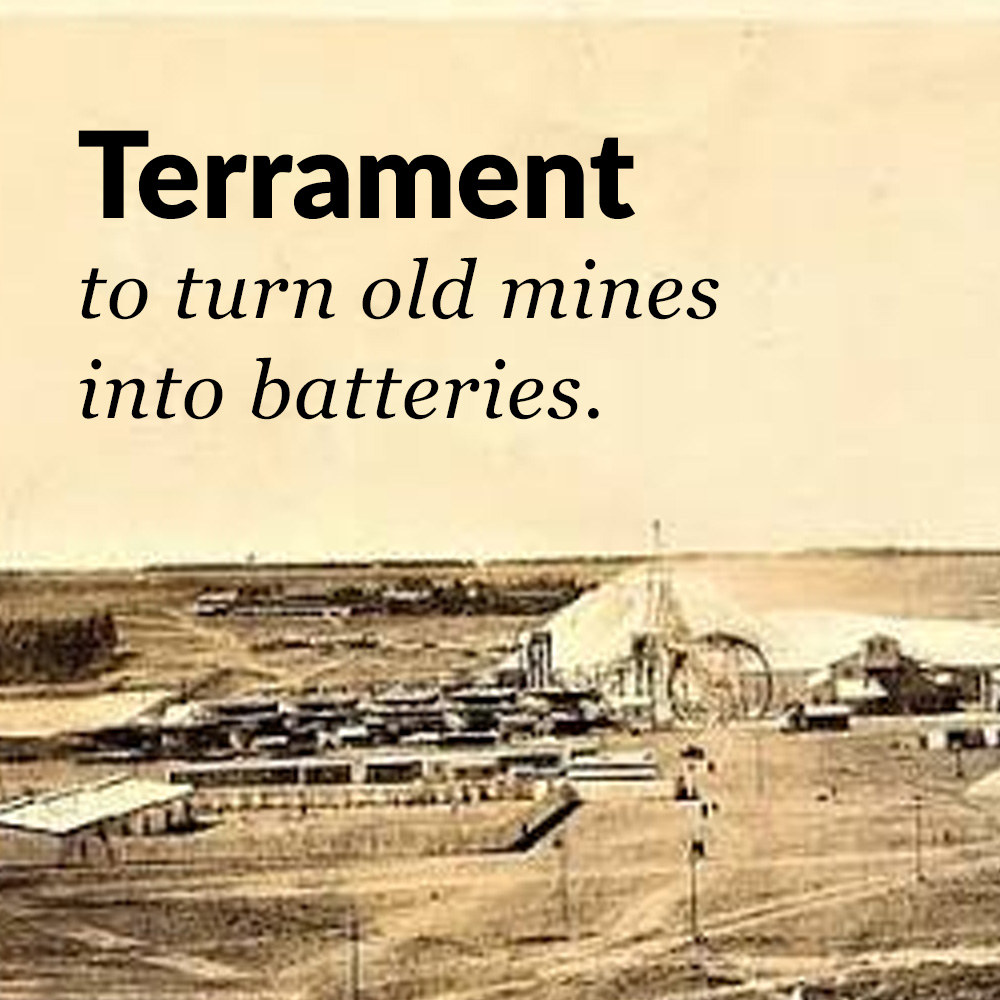
Data centers and aging grids are driving a deepening energy-storage crunch. One overlooked option: the thousands of existing mine shafts already dropping deep into the earth.
The challenge is moving massive weights up and down extreme vertical drops. Caterpillars solved a version of this long ago with the metachronal wave — the rippling, coordinated motion of their many legs that lets them carry and move loads with remarkable stability.
Terrament built underground gravity storage on that principle. Its patented, cable-free conveyance system uses caterpillar-inspired wave motion to move massive payloads across mile-deep drops... turning idle mines into long-duration batteries.
🐛 Inspired by: The caterpillar's metachronal wave motion
📍 Where: Brooklyn, New York, USA
🎯 Innovation / Function: Cable-free underground gravity storage that turns existing mines into long-duration energy storage
✏️ Who: Terrament
9. WAVR Technologies: How the Australian Tree Frog Pulls Water From Desert Air
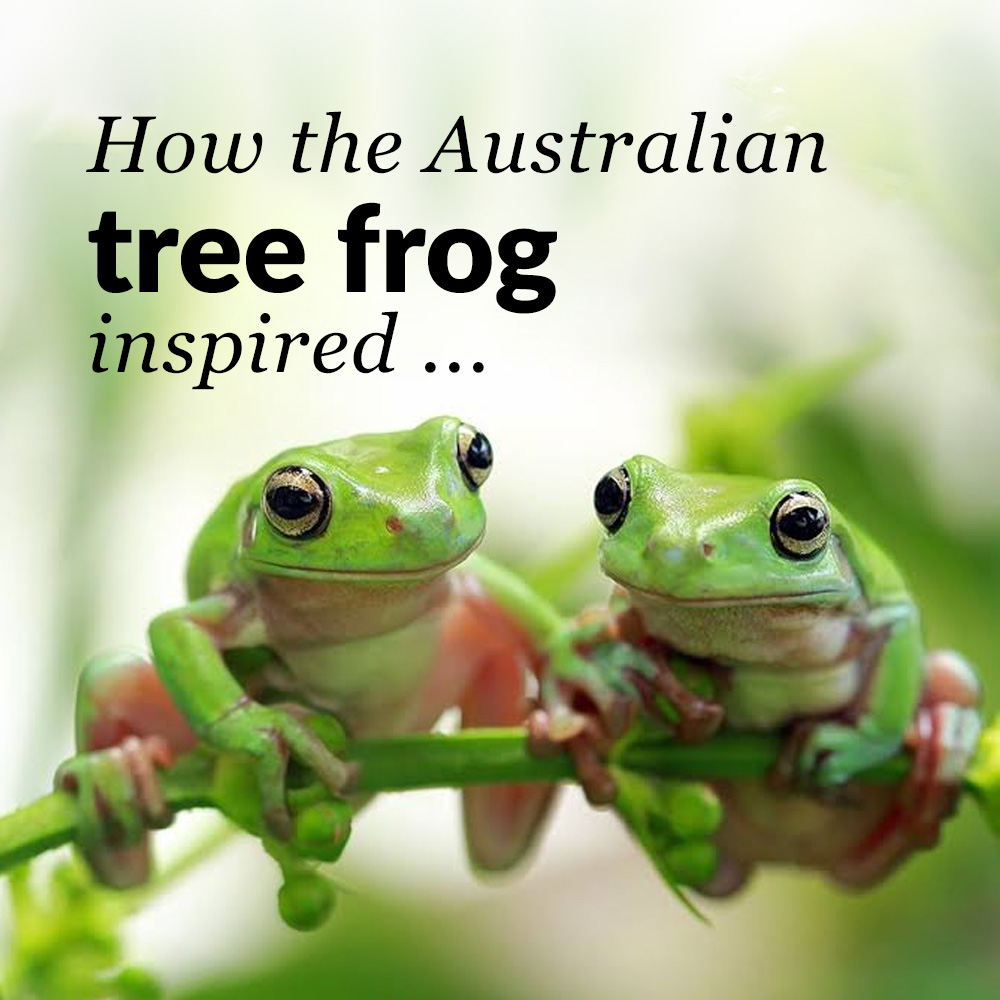
Water scarcity is hitting the world's most resource-constrained regions and industries hardest. There's an obvious, everywhere-at-once source we mostly ignore: the air.
The Australian tree frog is a specialist at this. In dry conditions, it uses its skin to condense and harvest water directly from humid air, even in surprisingly arid environments.
WAVR Technologies mimics that skin. Its hydrogel-based atmospheric water harvesting technology extracts water straight from the air, even at desert-level humidity, bringing water resilience to the places that need it most.
🐸 Inspired by: The Australian tree frog
📍 Where: Las Vegas, Nevada, USA
🎯 Innovation / Function: Frog-skin-inspired hydrogel that harvests water directly from air, even in low humidity
✏️ Who: WAVR Technologies
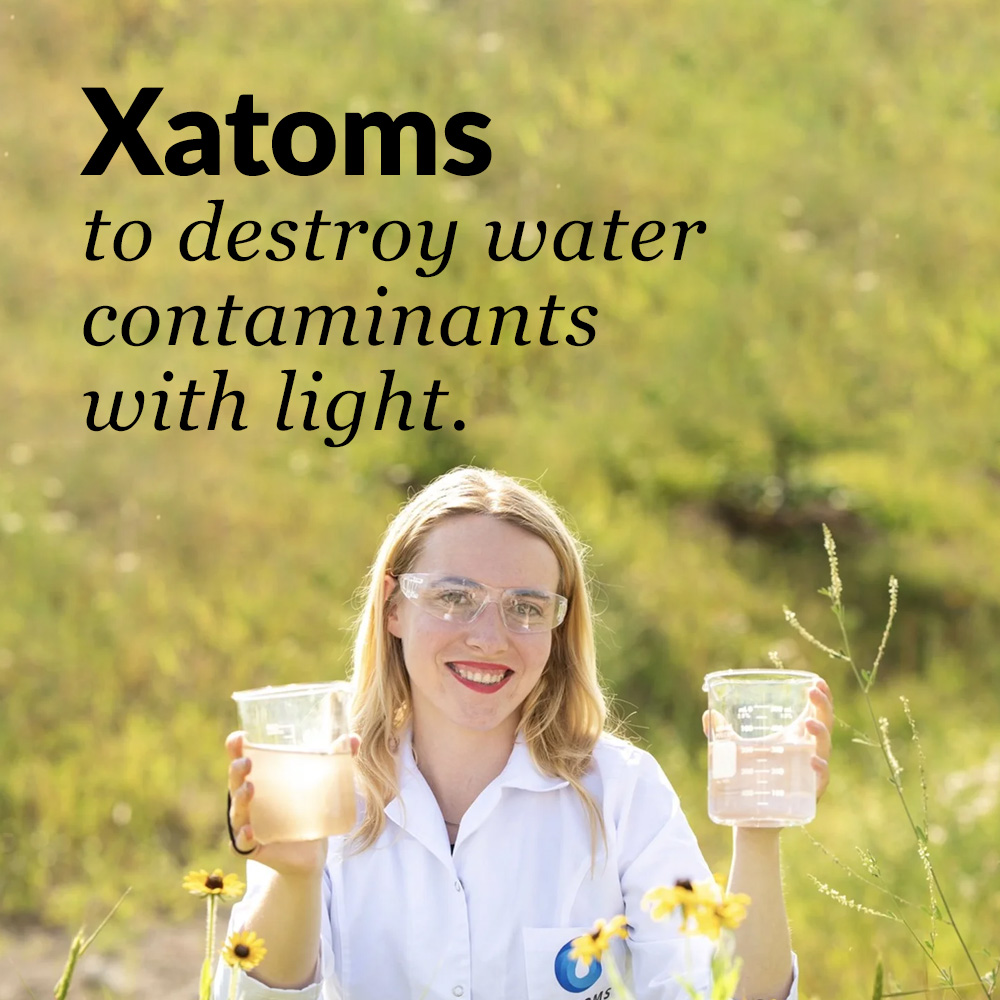
10. Xatoms: How Photosynthesis Helps Us Destroy Water Contaminants With Light
Persistent water contaminants are hard to remove — and many treatments introduce their own chemicals or toxic byproducts to do it.
Plants figured out clean, solar-powered chemistry billions of years ago. Photosynthesis harnesses ordinary sunlight to drive powerful chemical reactions, no harsh additives required.
Xatoms uses proprietary AI and quantum chemistry to design novel photocatalysts that mirror that solar-powered chemistry. Activated by visible light, they destroy persistent water contaminants — no chemicals, no toxic byproducts, just light doing the work.
☀️ Inspired by: Photosynthesis
📍 Where: Toronto, Canada
🎯 Innovation / Function: AI-designed, light-activated photocatalysts that destroy water contaminants without chemicals
✏️ Who: Xatoms
The Bigger Picture: Nature as Guide, Not Backdrop
Look across these ten and a pattern emerges. From a tardigrade's survival chemistry to a caterpillar's gait, these founders aren't treating nature as inspiration for a logo or a shape ... they're treating it as a rigorously studied strategy library, refined over 3.8 billion years of trial and error.
A few threads tie the 2026 cohort together:
Nature's chemistry is replacing our toxic chemistry. BioWraptor, DisperseBio, Fungi Life, Semion, and Xatoms all replace an energy-intensive or toxic process with a benign one nature already runs — dispersing biofilms, breaking down oil, defending crops, and cleaning water without the collateral damage.
Biology is quietly solving the AI energy crisis. PhysaFlow (flow networks) and Terrament (gravity storage in old mines) both take direct aim at the power and infrastructure crunch created by AI and aging grids — using nature's playbook rather than pouring more concrete and steel.
"How would nature solve this?" is scaling. Now in its seventh year, the Ray of Hope Accelerator has supported more than 60 nature-inspired startups across seven cohorts. Each startup in the 2026 cohort receives non-dilutive funding, mentorship, and a Nature Retreat — and steps into a growing global portfolio of ventures that look to the living world for answers.
In Summary: A New Era, Guided by Nature
Ten companies. Four countries — the United States, Israel, Colombia, and Canada. One shared conviction: that the most sophisticated technology on the planet isn't something we built, but something we inherited.
The through-line of every story here is the principle at the heart of biomimicry — life creates conditions conducive to life. These founders are solving human challenges not through more extraction, but through deeper observation: watching how a frog drinks, how a slime mold plans, how a cell moves electrons, and asking how we might do the same.
To the 2026 cohort — congratulations, and welcome. You'll need knowledgeable mentors, advisors, investors, and champions to get where you're going. If that's you, this is your invitation to walk alongside them.
The path forward is clear: to build a life-friendly future, we must first listen to the deep, evolutionary past — nature's ingenious designs, quietly waiting to be asked the right question.
Wild regards,
Alistair Daynes, Biomimicry Practitioner
Free eBook
A Field Guide to Biomimicry
10 years to build, 10 minutes to read. Gain the skills to apply biomimicry to your business, projects and daily life.
Get the free eBook →
Here’s the one biomimicry course you need that turns these examples and insights into a skill set. Trusted by 1,679+ Learners. Three self-paced courses, one price. $198 US.
10 years to build, 10 minutes to read. This eBook is the essence of biomimicry.
Recent Posts