
50 of the World's Best Biomimicry Examples

Biomimicry, the practice of learning from nature's designs and strategies, has resulted in many genius products and systems over the years.
These biomimicry examples are proof that harnessing nature's wisdom to solve human design challenges truly is the way towards a life-friendly, regenerative future.
Below is a list of our top 50 biomimicry examples. Each nature-based solution has been successfully implemented as a business, product or service!
Without further ado, let's see who's in the best biomimicry examples of all time!
The best biomimicry examples of all time:
1. How Birds Inspired Flight
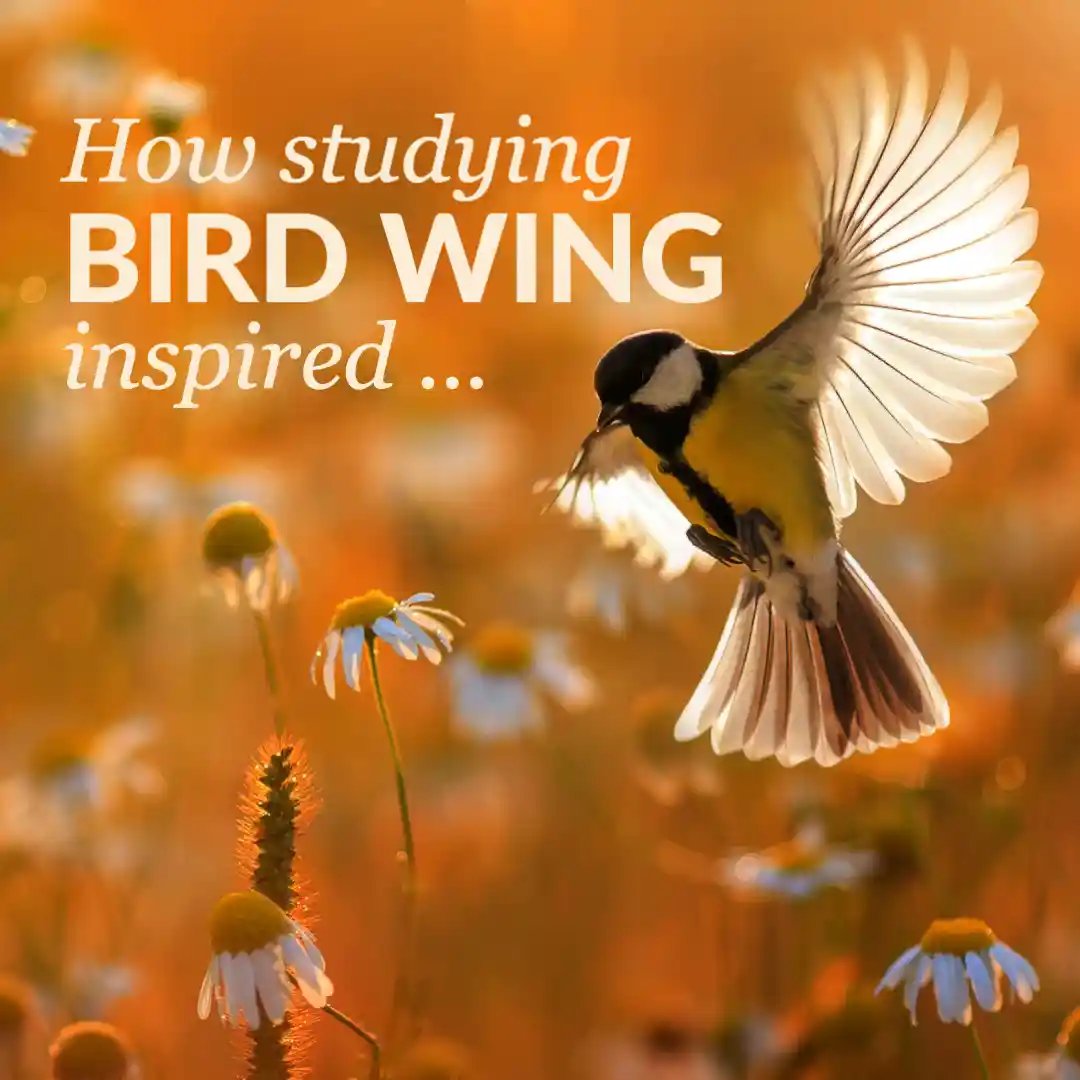
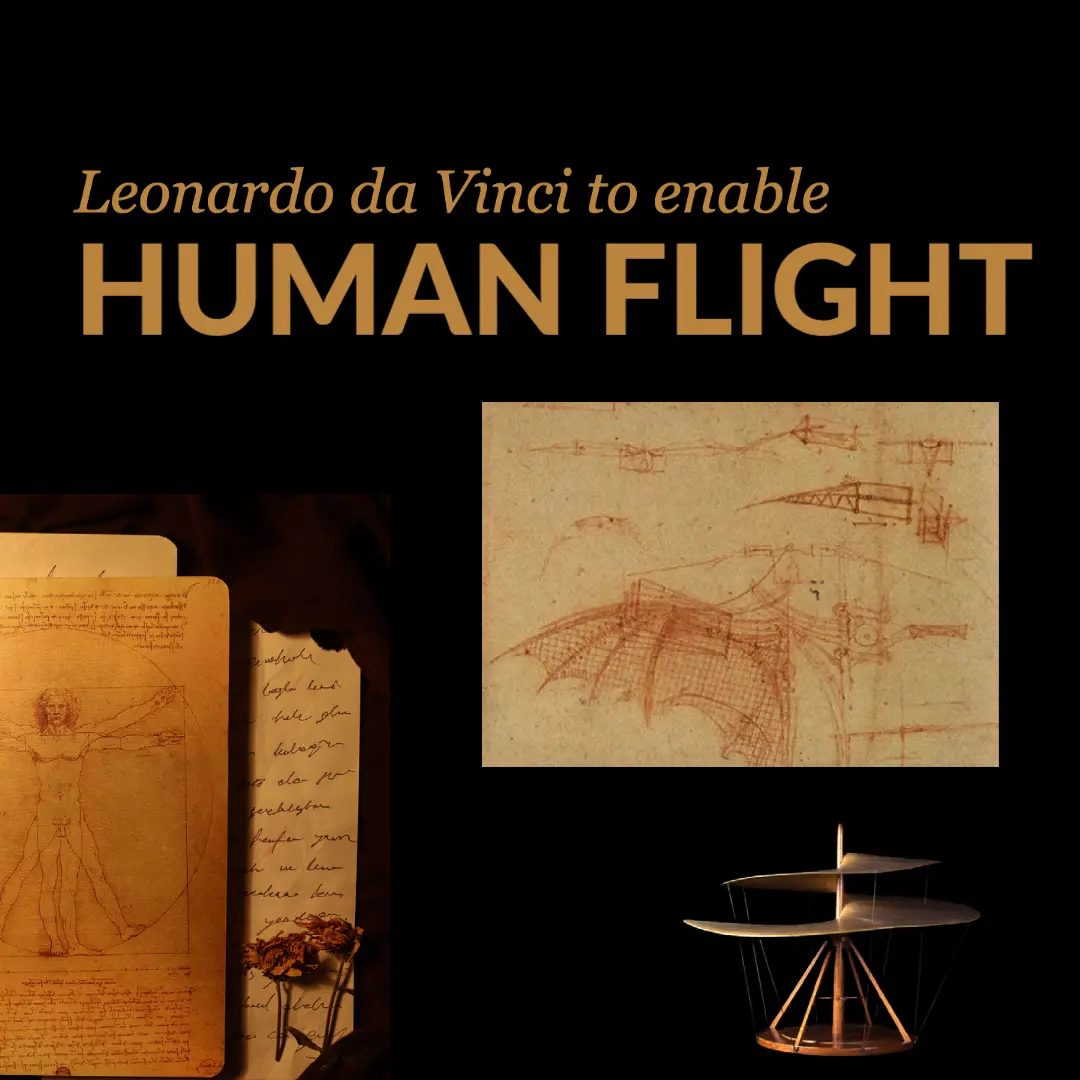
Leonardo da Vinci applied biomimicry to the study of birds in the hopes of enabling human flight. He very closely observed the anatomy and flight of birds and made numerous notes and sketches of his observations and countless sketches of proposed "flying machines"... known today as an airplane. His research later inspired the Wright brothers. These two American aviation pioneers invented, built, and flew the world's first successful motor-operated airplane. A simple but profound example of biomimicry in action!
🦅 Inspired by: Birds
📍 Where: Italy & America
🎯 Innovation / Function: Aircraft
✏️ Who: Leonardo da Vinci & the Wright Brothers (shared credit)
2. How Prairie Ecosystems Inspired Sustainable And More Efficient Agriculture
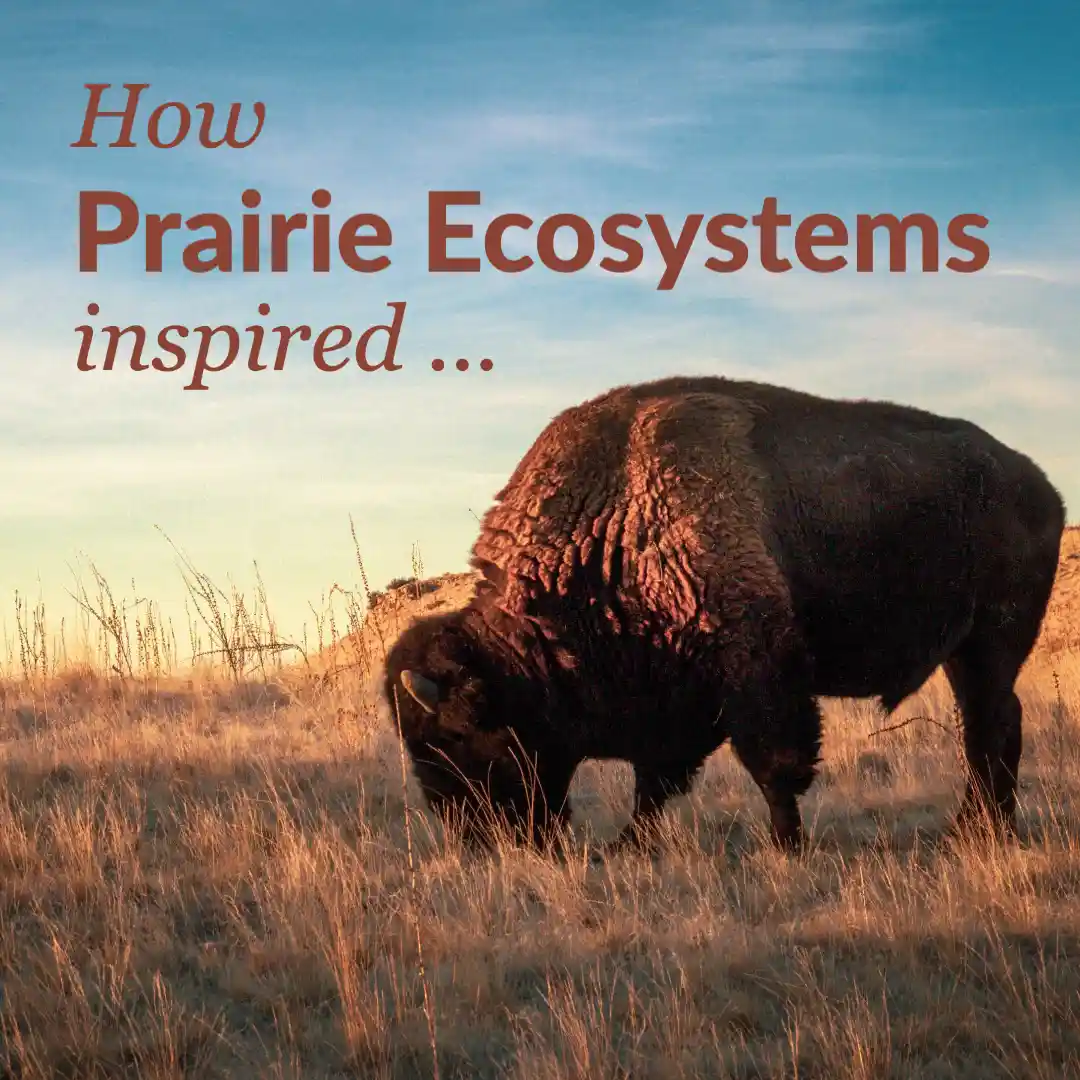
We can learn a lot from the diverse and resilient ecosystems of the prairies. Although they seem to be in constant equilibrium, nature always exists in a continuous state of disturbance and fluctuation. Our current industrial agricultural practices are abusing resources and using toxic chemicals on huge scales. The Land Institute has developed a method called Perennial grain cropping, or permaculture. They utilise polyculture and cooperative crops.
Such systems mimicking nature require substantially less irrigated water, prevent soil erosion, have inbuilt pest resistance and increase the health of the plants.
🪲 Inspired by: Prairie ecosystems
📍 Where: Kansas, USA
🎯 Innovation / Function: Sustainable agriculture at scale
✏️ Who: The Land Institute
3. How the Spiral Flow Inspired an Efficient Water Mixing System
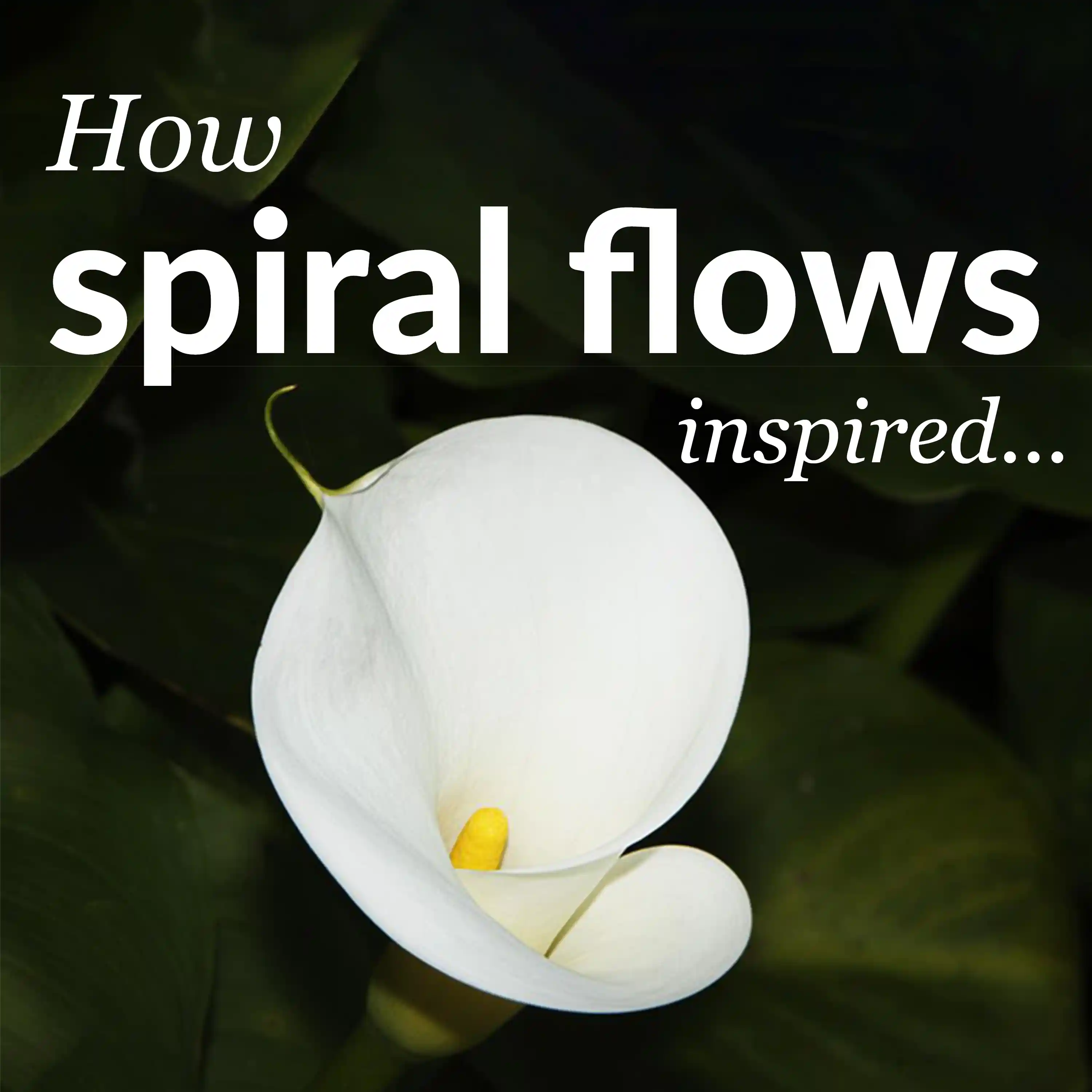
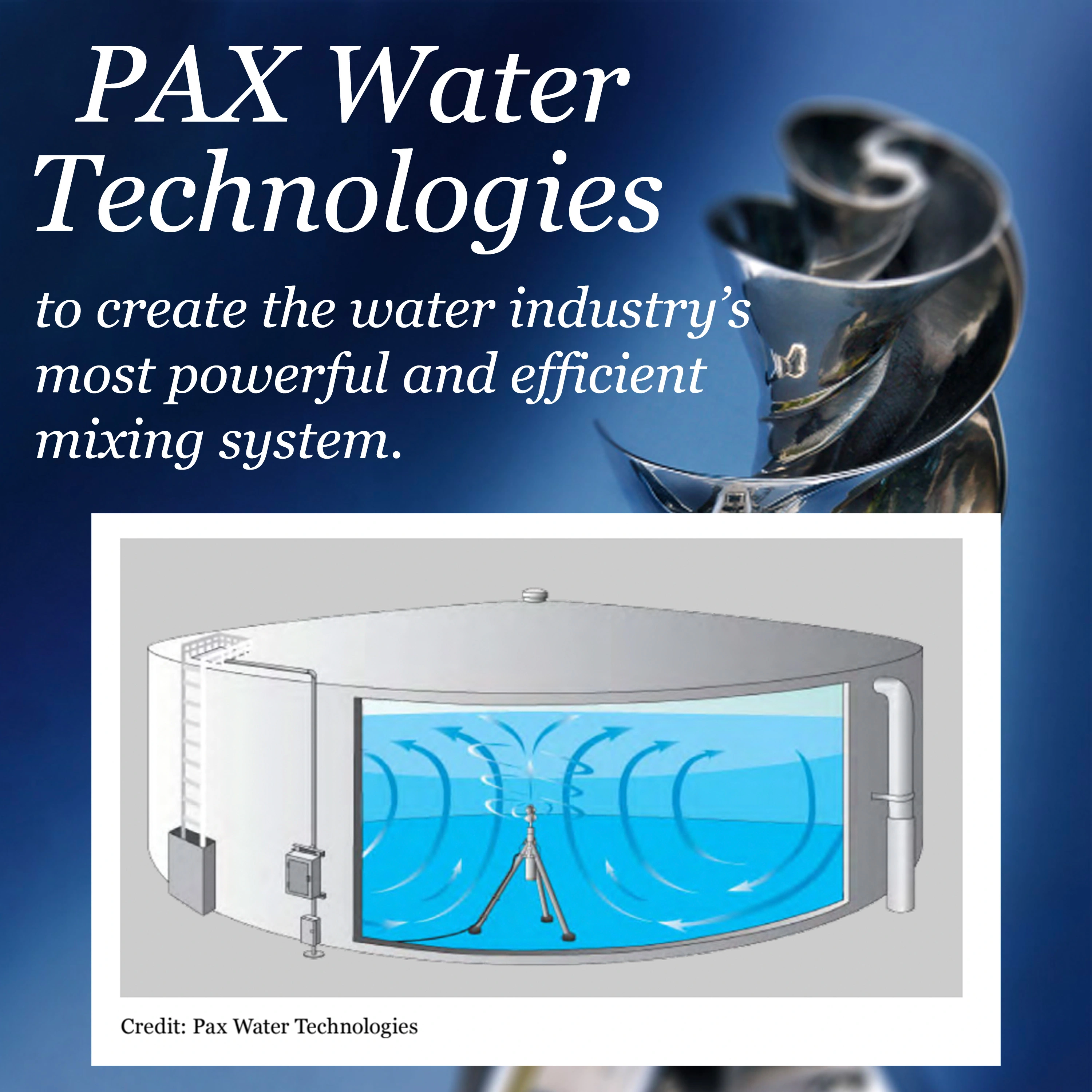
If we look at patterns in nature long enough, we will see that nature is very much in deep love with spirals. How can you not be? These fractal patterns are found in whirlpools, tornados, certain sea shells and even plants like pax lilies. The structure seems intrinsic to nature as it helps to move material efficiently and without drag. It is also fractal in nature and can be scaled up and down based on requirements. The scientists at Pax Water have developed active tank mixing technology and other applications like fans which have reduced the energy required for similar outputs by about 30%.
💦 Inspired by: Pax lily and spiral flows
📍 Where: California, USA
🎯 Innovation / Function: Efficient water and material mixing systems
✏️ Who: Jay Harman, PAX Water Technologies (now part of CleanWater1)
4. How Slime Mold Inspired City Planning
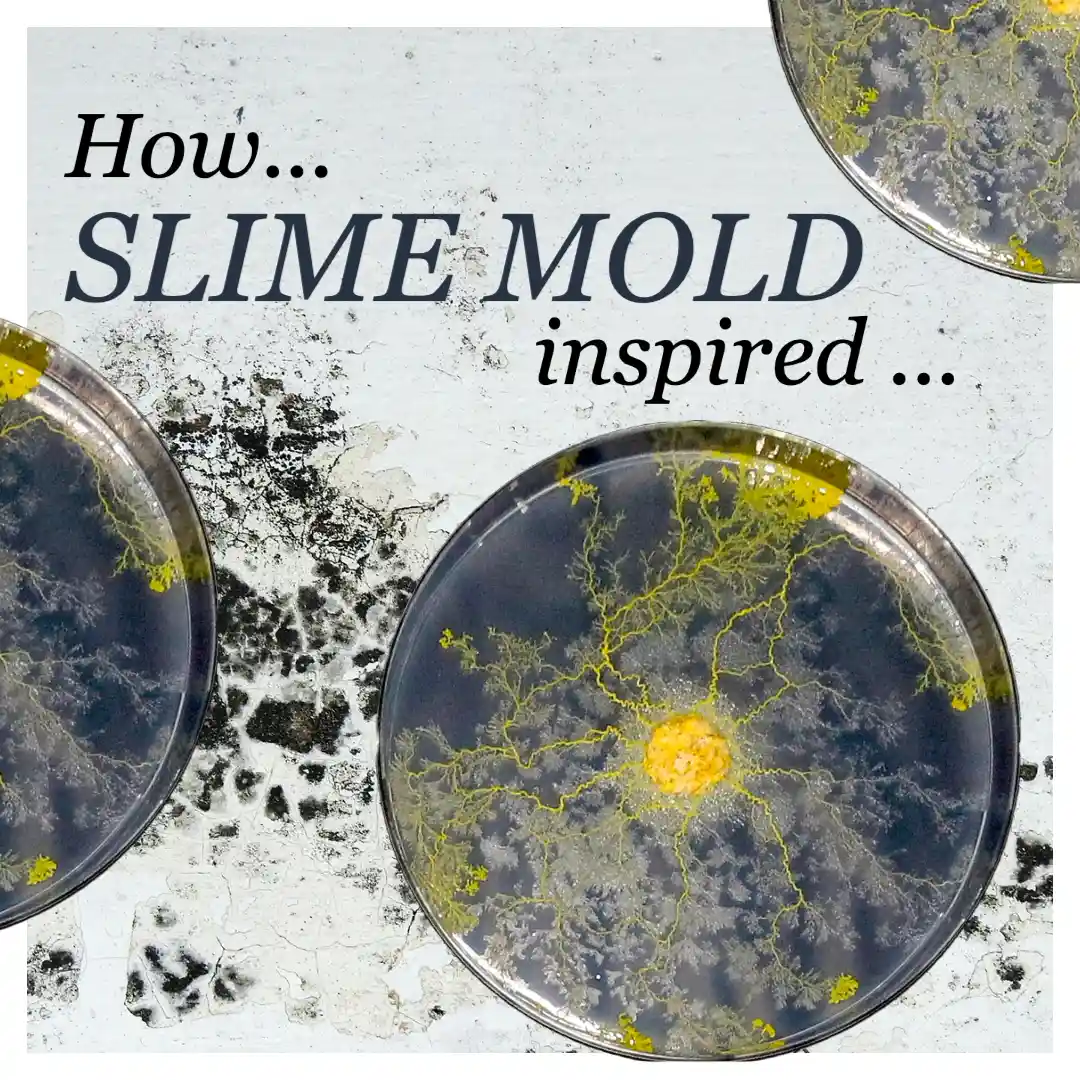

“Myxomycete,” also commonly known as the slime mold is a unicellular organism that is capable of mapping very complex routes and communicating information for finding its food all without a brain, a nervous system or any of the organs we imagine when we think of these complex tasks. Slime molds have existed for about a billion years and have evolved over that time to be really efficient and adaptive towards their one singular goal of feeding and surviving.
So when a group of scientists in Japan placed its favourite food, oat flakes, at various locations corresponding to the major cities in Japan, this creature was able to, within a matter of 5-6 days, map out the complex rail network which took Japanese engineers years to plan and map. This technology, perfected in nature, can really help in traffic mapping in new emerging countries in Africa and Asia and city and housing development planning.
🦠 Inspired by: Slime Mold
📍 Where: Tokyo, Japan
🎯 Innovation/function: Efficient, quick and adaptive city, road, rail mapping
✏️ Who: Atsushi Tero from Hokkaido University in Japan
5. How Bur Seeds Inspired Velcro

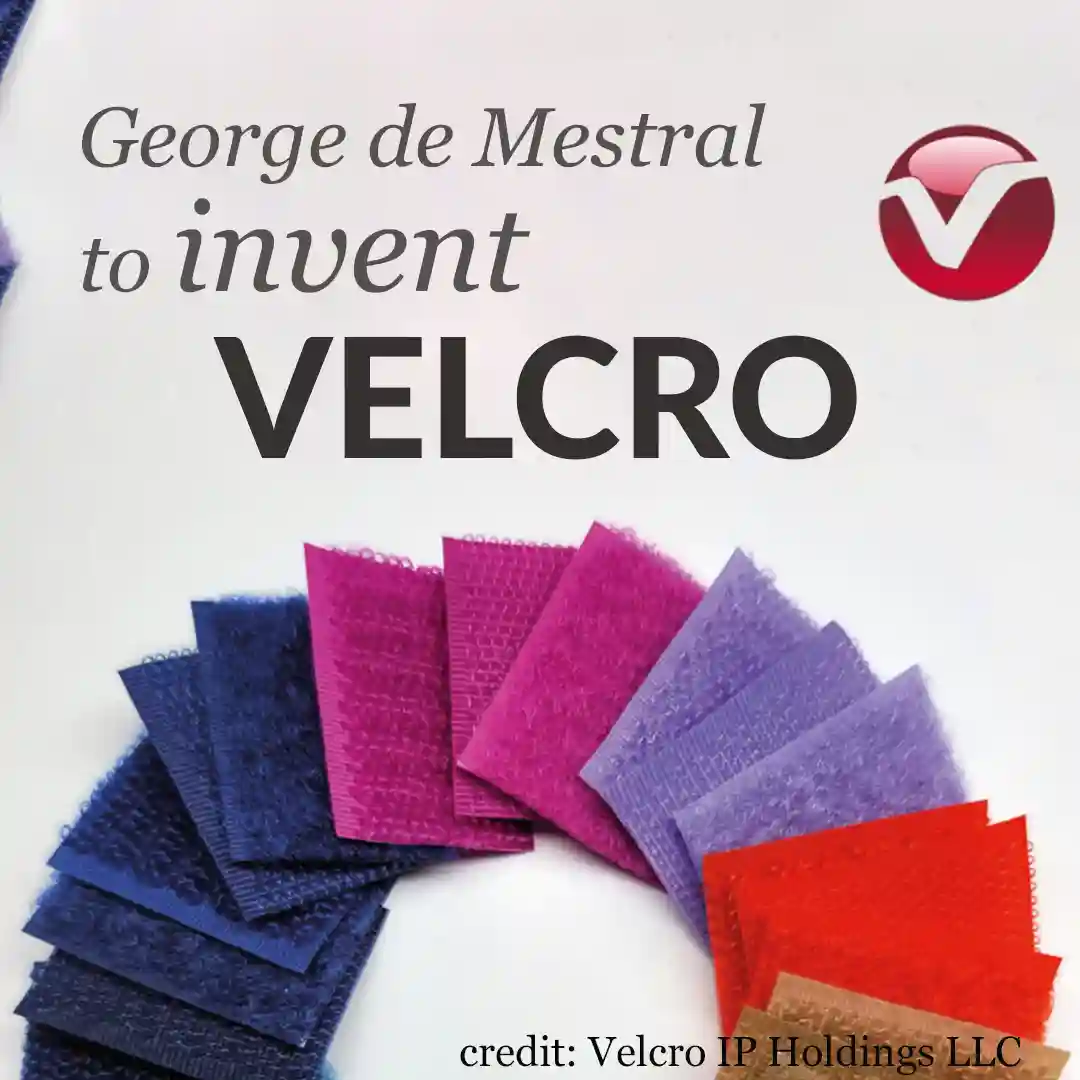
Did you know that this plug-and-remove clamping mechanism is actually derived from nature? In 1941, a Swiss engineer named George de Mestral was out hunting with his dog when he realized small burrs from the burdock plant were stuck to his dog’s hair. On closer inspection, he realized that these tiny hooks and loops can be made into clothing or garment fasteners which led to the discovery of velcro and our society has hence been using them in every practical application possible.
🌱 Inspired by: Bur seeds of the burdock plant
📍Where: Switzerland
🎯 Innovation/function: Non-adhesive, easy to fix and remove clamping mechanism
✏️ Who: George de Mestral
6. How a self-cleaning plant inspired better textiles
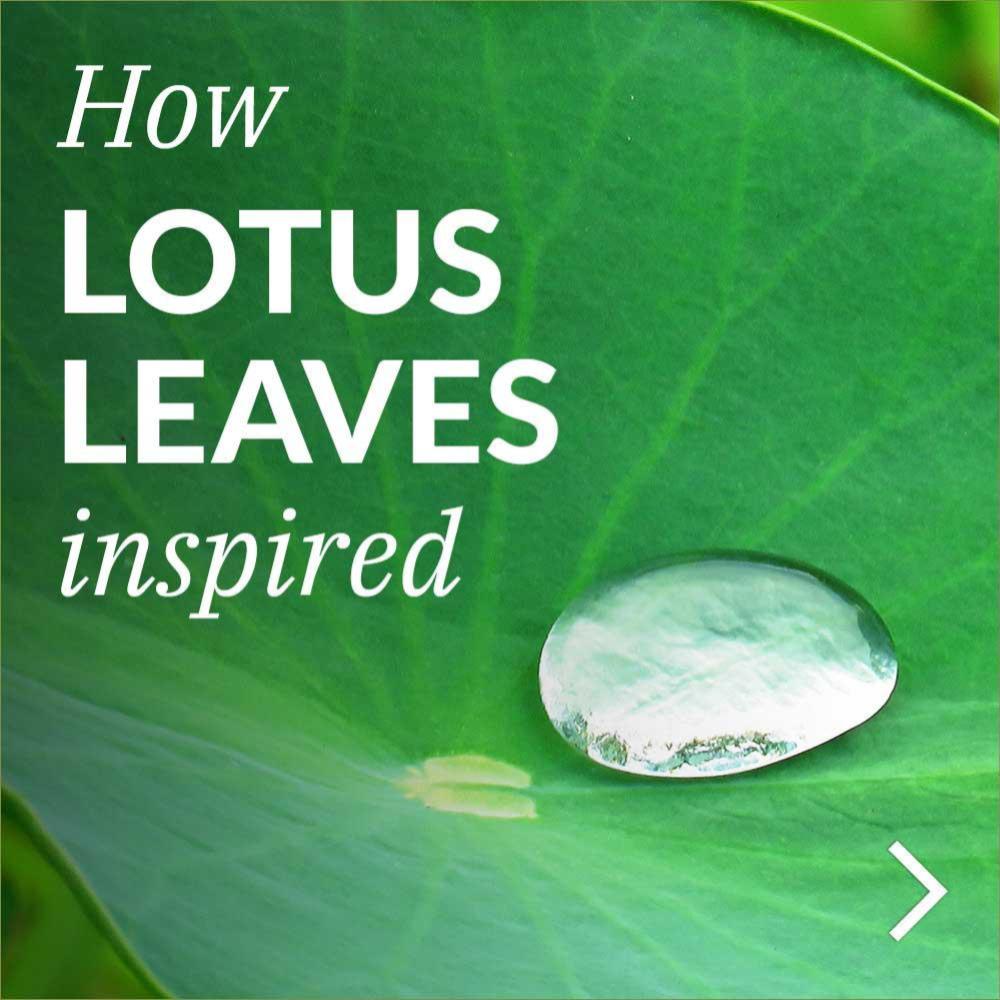
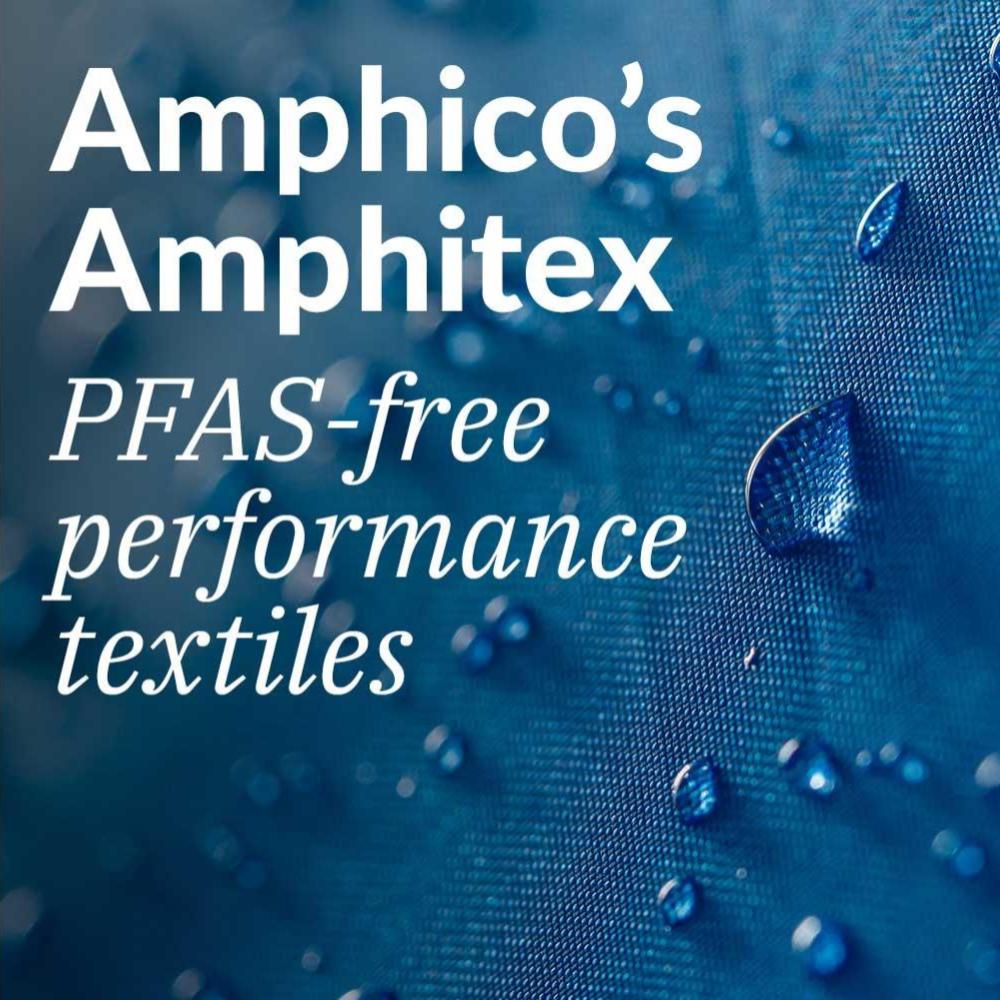
The Lotus leaf is the undisputed gold standard of staying clean in the mud. By mimicking its microscopic "bumpy" surface, Amphico has developed superhydrophobic textiles that repel water and dirt without the need for toxic "forever chemicals" (PFAS). It’s a breathable, recyclable, and self-cleaning solution that proves looking to plants can help us clean up our fashion act.
🦅 Inspired by: Lotus leaf
📍 Where: UK
🎯 Innovation / Function: Self cleaning
✏️ Who: Amphico (among many others who have studied the lotus leaf!)
7. How plant pheromones inspired food-waste solutions
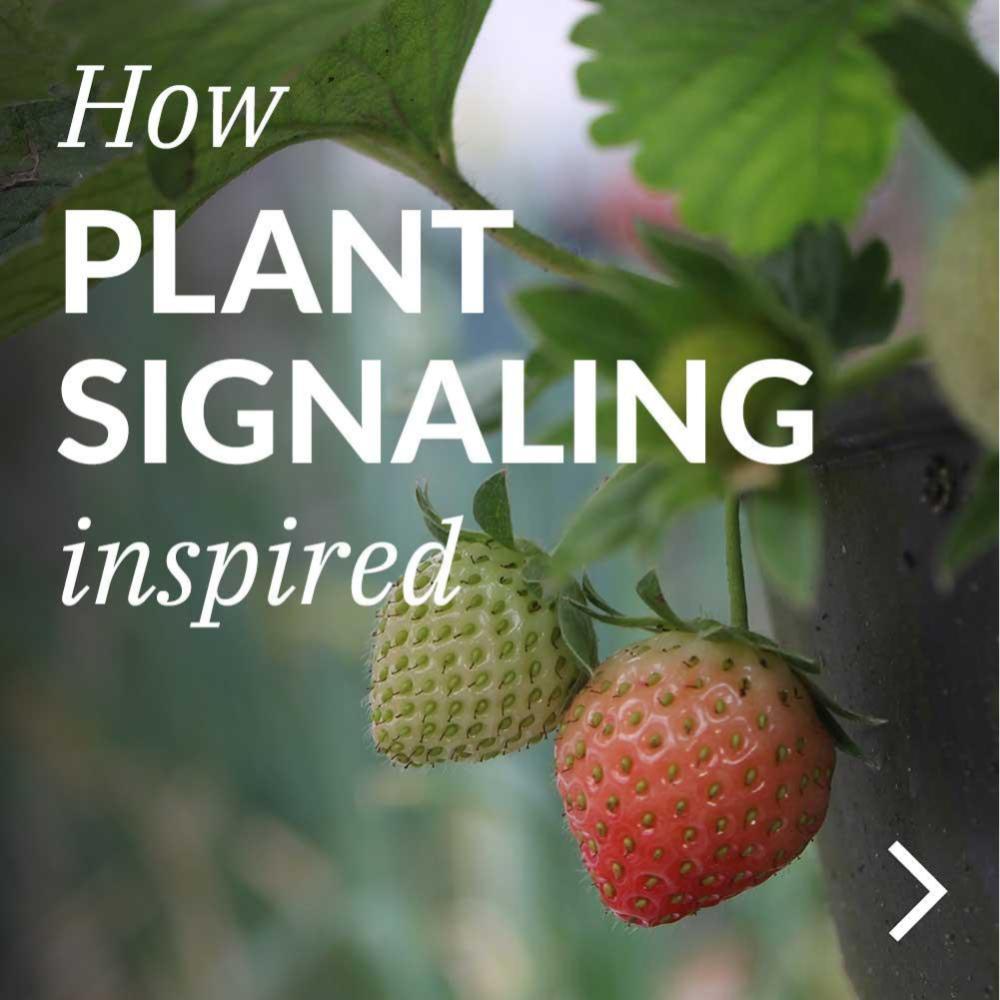
Ever wish you could tell a piece of fruit to "just wait a second" before ripening?
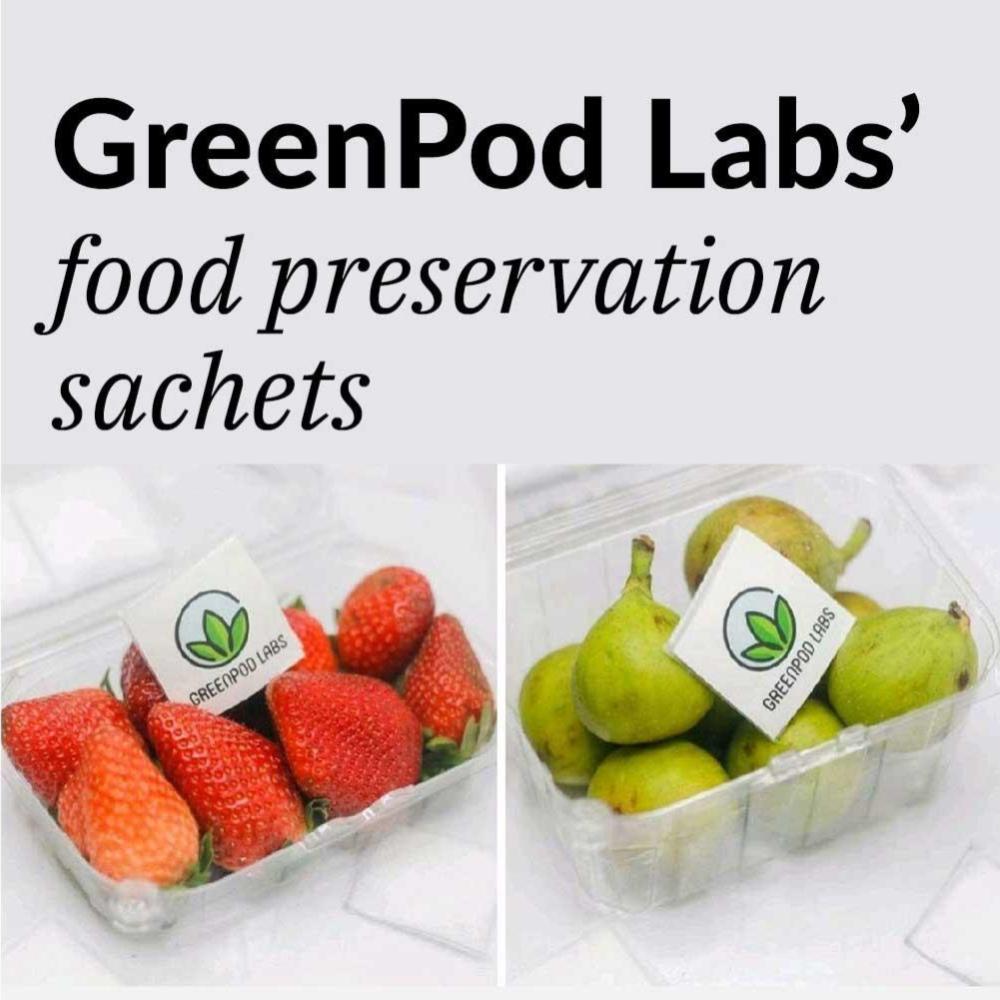
GreenPod Labs did exactly that. By mimicking the natural phenolic compounds and volatiles plants use to signal one another, they’ve created a packaging insert that activates a fruit's built-in defence mechanism. This slows down spoilage, extending shelf life naturally without the need for expensive cold-chain infrastructure.
🦠 Inspired by: Plant pheromones
📍 Where: India
🎯 Innovation/function: Delaying fruit ripening without the need for cold chain storage
✏️ Who: GreenPod Labs
8. How trees' structure inspired lightweight construction materials
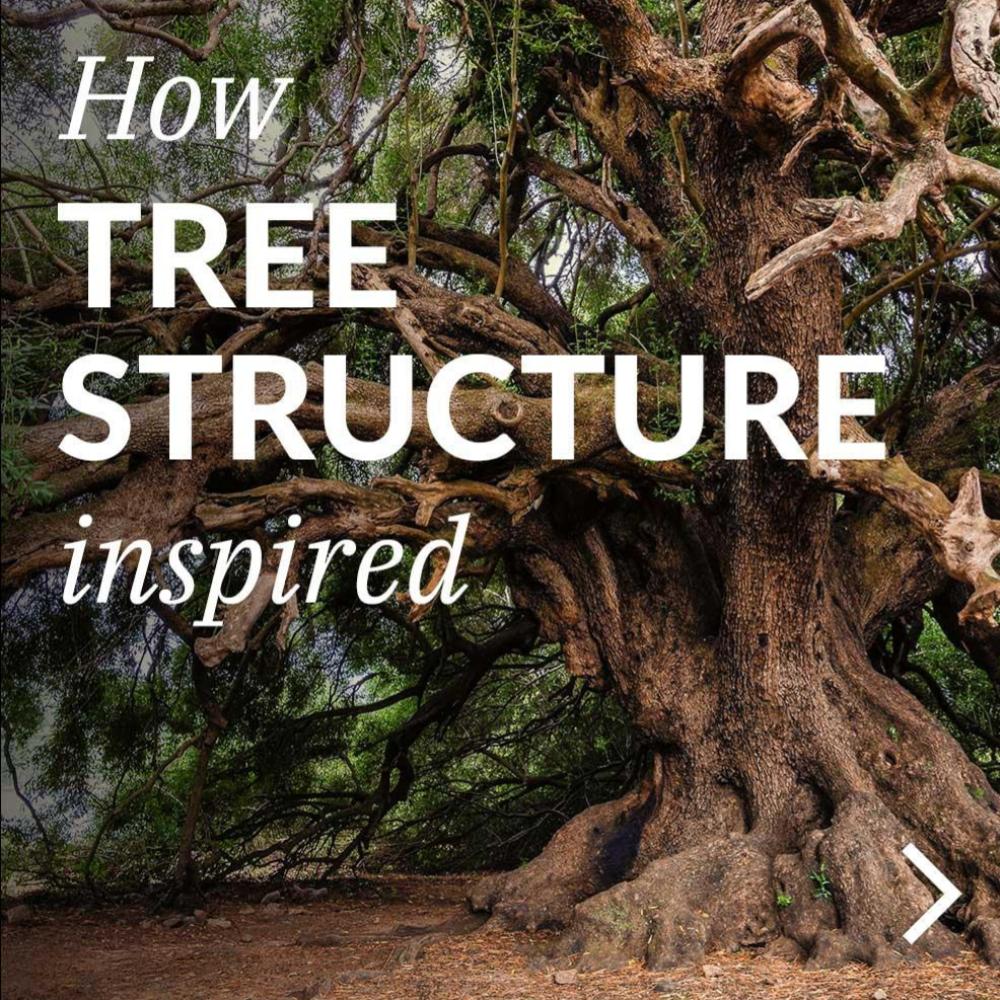
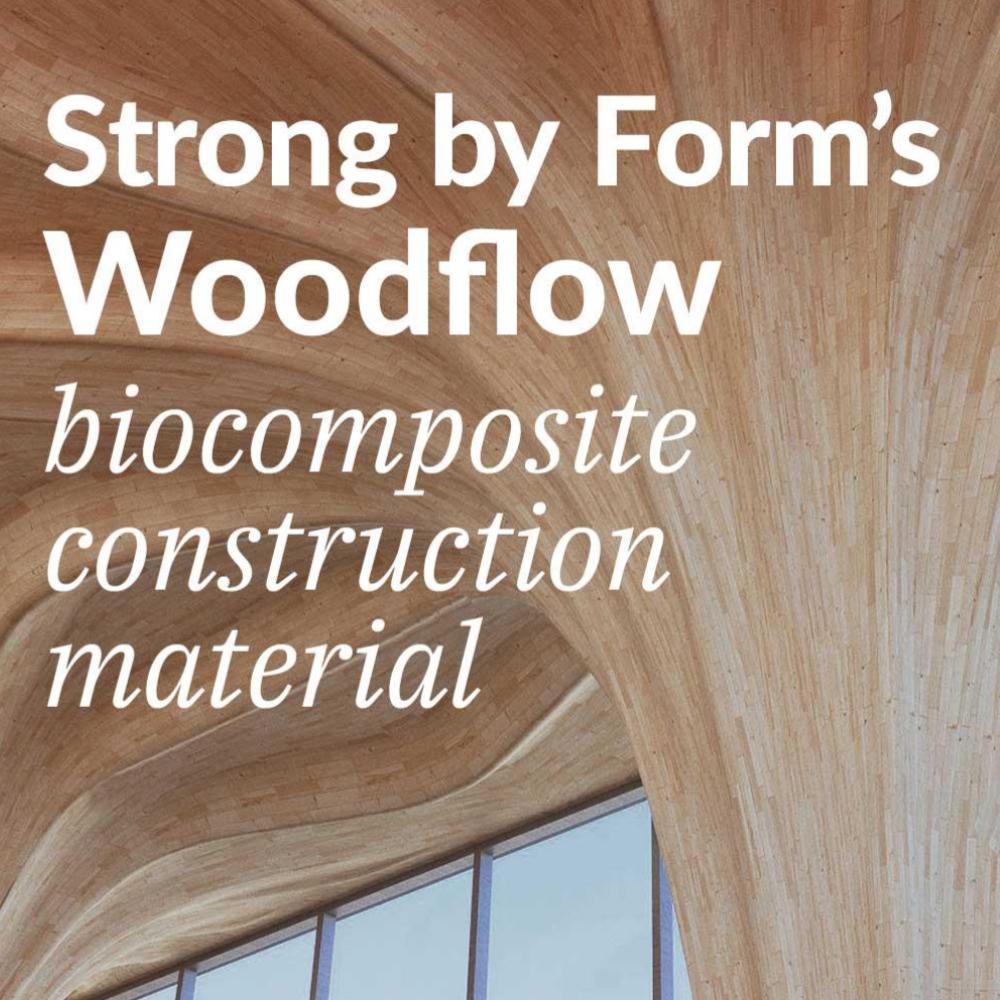
Trees are the ultimate structural engineers, growing more material exactly where stress is highest and less where it isn't. Strong By Form mimics this "optimization" through their WoodFlow technology. By aligning wood fibers with specific force patterns—just like a trunk grows—they’ve created high-performance, lightweight bio-composites that challenge the carbon footprint of steel and concrete. It’s construction, branched out.
🌱 Inspired by: The material arrangement & distribution of trees
📍Where: USA
🎯 Innovation/function: Lightweight, strong bio-composite construction materials
✏️ Who: Strong By Form
9. How fungi inspired local land restoration and toxic waste cleaning
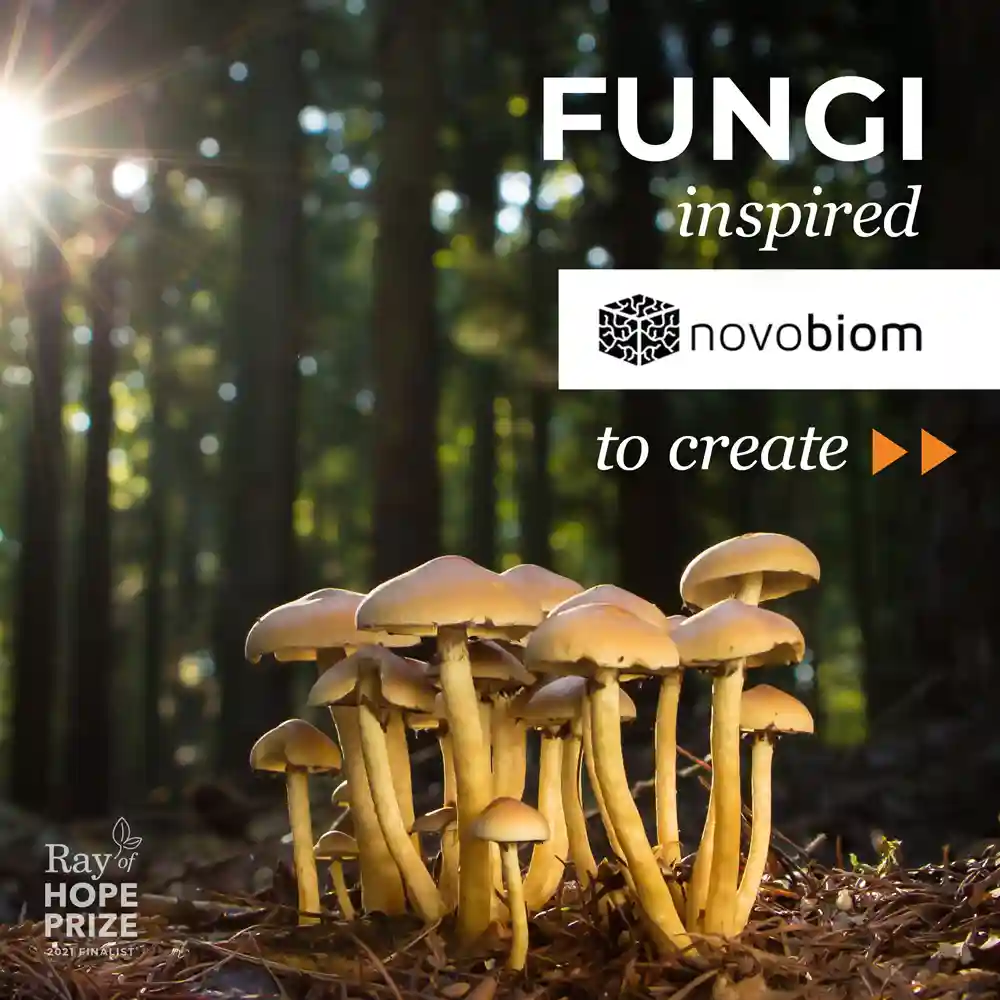
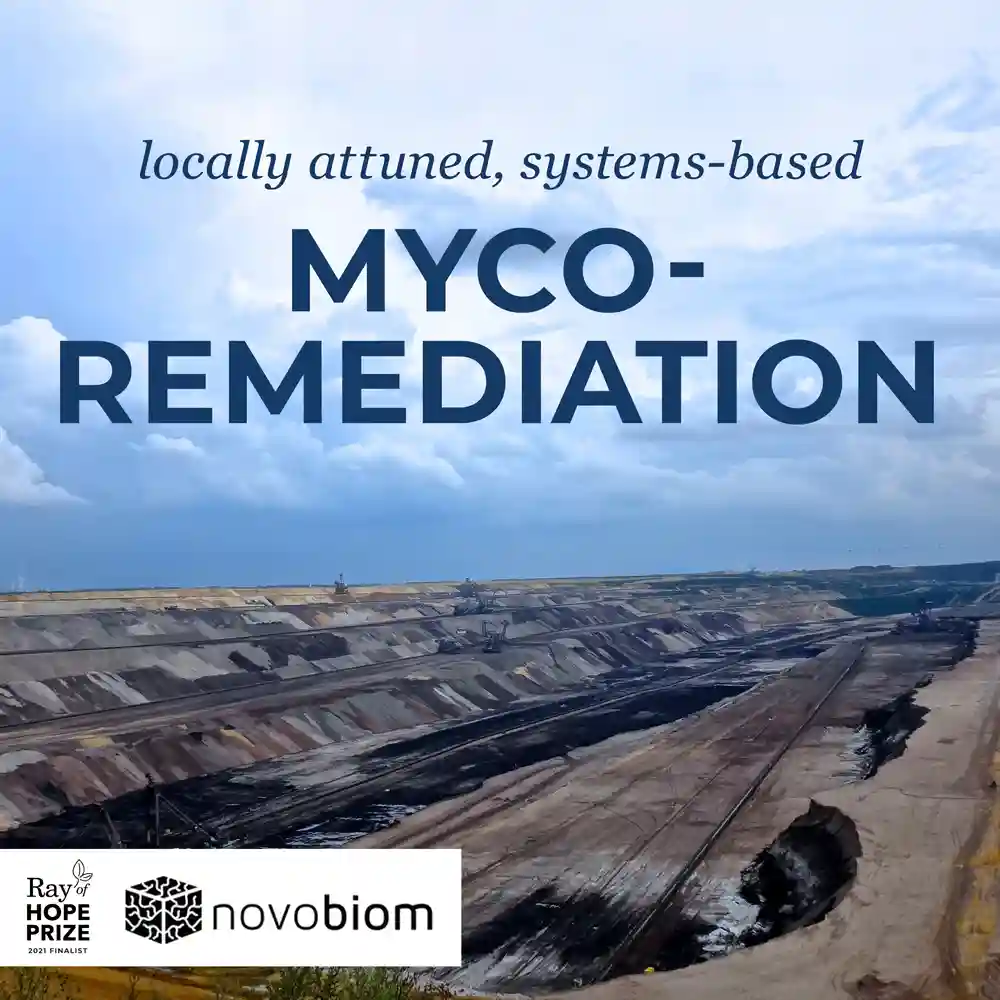
“That toxic waste looks mighty delicious” - A fungus maybe. We, humans, have created more harmful waste than we are ready to admit and a lot of it is sinking into our land, destroying the soil quality and toxifying the land. Researchers at “Novobiom” have turned the field of bioremediation on its head by locating fungi already in stages of reducing synthetic materials into harmless substituents and selectively breeding them to treat heavily polluted waste. All this can be done locally without hauling the soil to any other location for treatment. If we train fungi to treat the waste that we have already created, it can go a long way to converting our planet to its pre-industrial and agricultural glory.
🍄 Inspired by: Fungi
📍 Where: Ottignies-Louvain-la-Neuve, Belgium
🎯 Innovation / Function: Bioremediation of concentrated toxic waste (mycoremediation)
✏️ Who: Novobiom

Free eBook
A Field Guide to Biomimicry
10 years to build, 10 minutes to read. Gain the skills to apply biomimicry to your business, projects and daily life.
Get the free eBook →10. How evapotranspiration inspired safe, waterless toilets
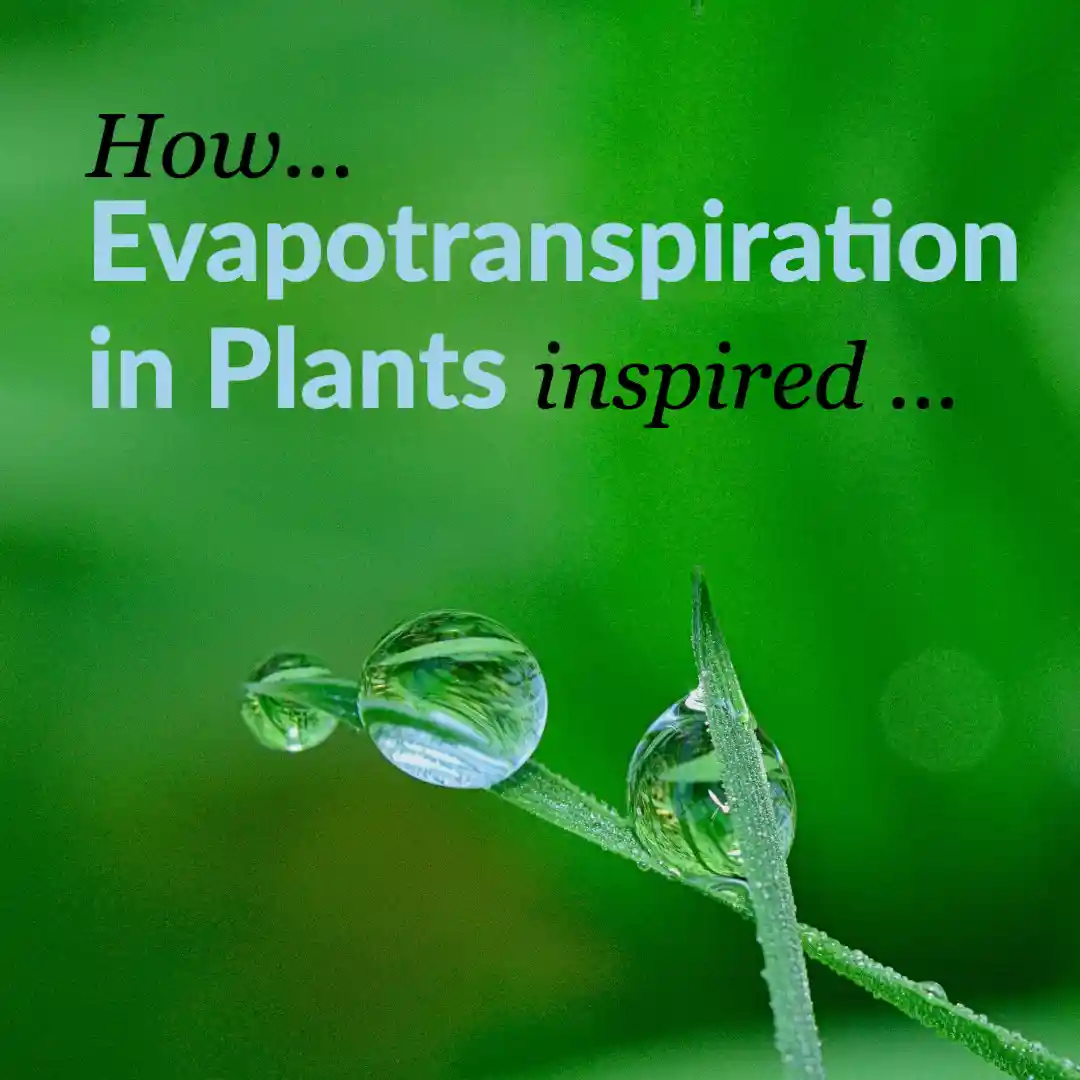

The lack of sanitation infrastructure in the world is concerning. It has wide-ranging effects on the health, safety and social well-being of society. This affects poorer sections of society and especially women and girls the most. change:WATER Labs has created the iThrone, which uses evaporation to dispose of human waste without using energy or plumbing.
These low-cost, portable toilets rapidly evaporate 95% of the sewage mimicking the evapotranspiration process in trees and leaves. The system works as such: the membrane bag is non-porous and only allows water to escape as gas without needing any plumbing or additional water. This technology can prove vital in refugee camps and resource-starved regions.
🌳 Inspired by: Evapotranspiration in trees
📍 Where: Massachusetts, USA
🎯 Innovation / Function: Waterless, low-cost, portable toilet
✏️ Who: change:WATER Labs
11. How pinecones inspired Pyri's wildfire detection devices
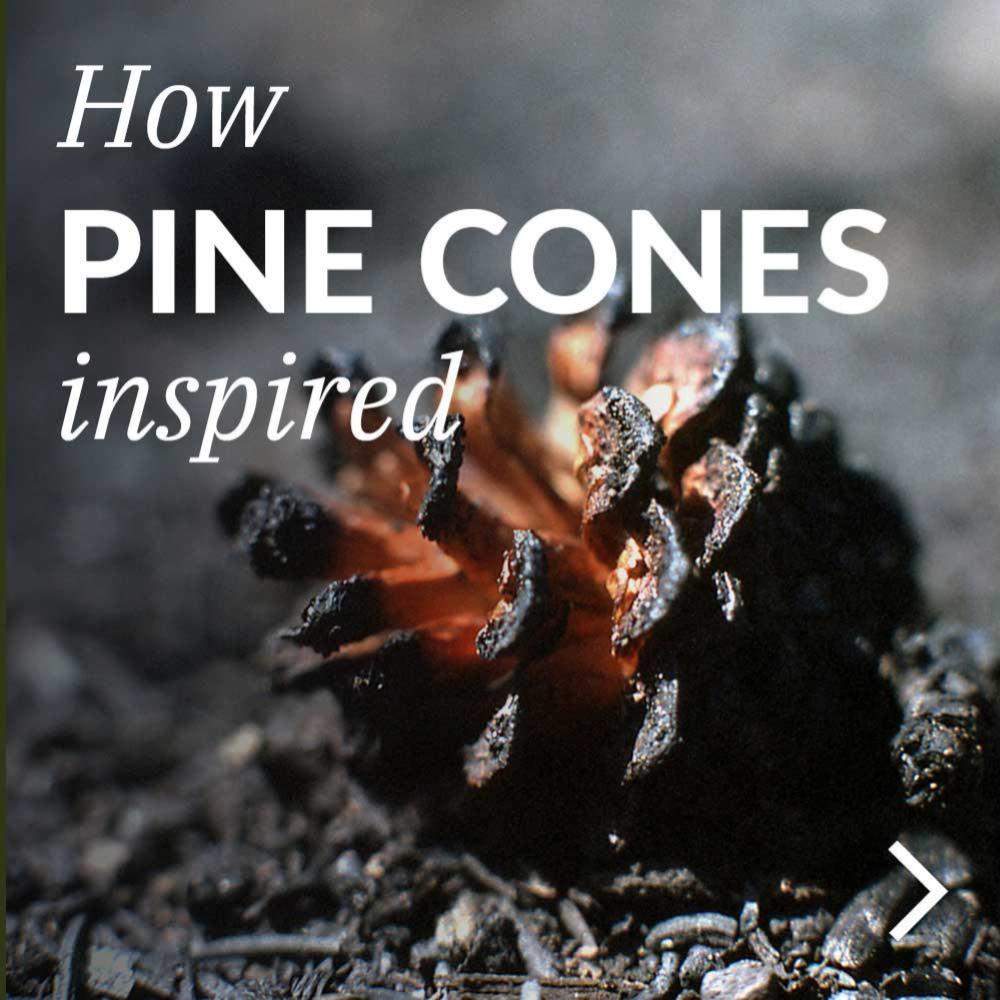
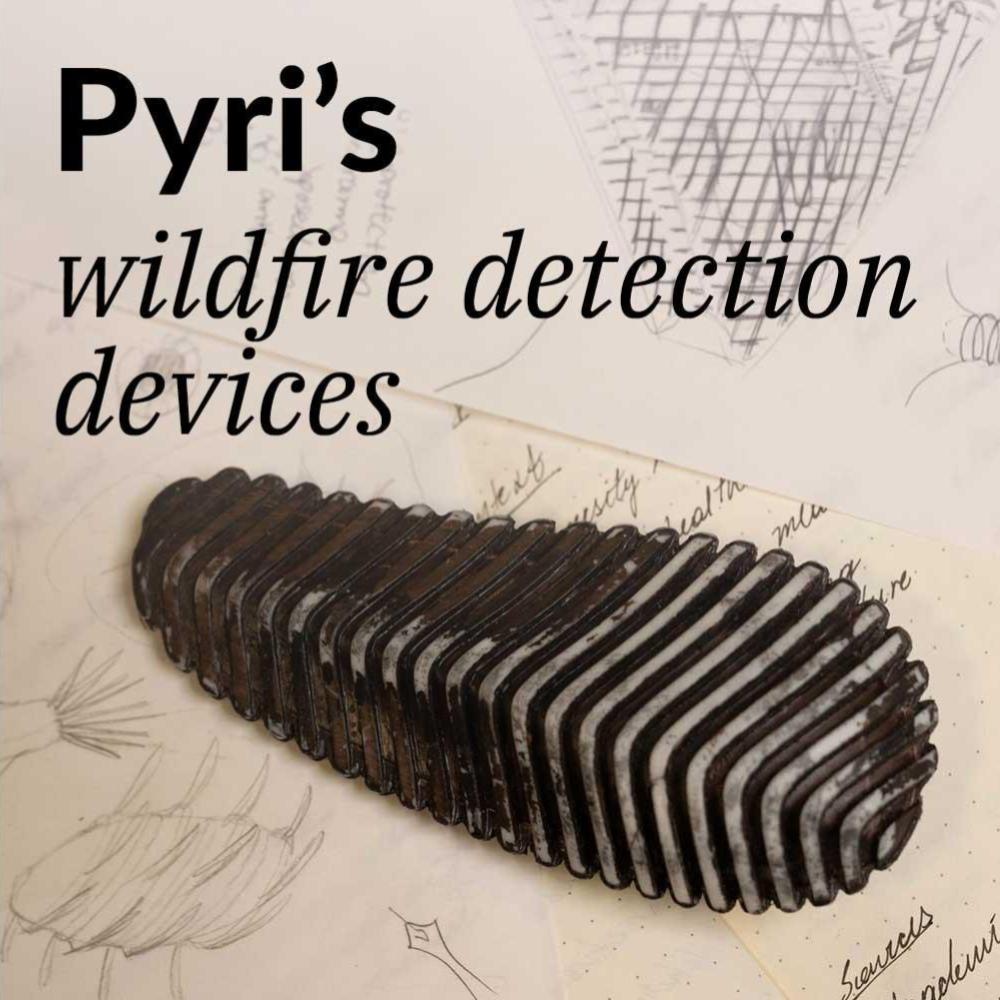
Nature’s early warning system just got a biological upgrade. Pinecones are passive masters of movement, opening and closing their scales based on environmental moisture and heat. Pyri mimics this hygroscopic behavior to create low-cost, bio-based sensors that physically change shape when a wildfire's heat is detected. It’s a genius way to monitor vast forests using the environment's own mechanics as the "on" switch.
🪲 Inspired by: Pinecones ability to change shape
📍 Where: USA
🎯 Innovation / Function: Modify form passively using external heat source
✏️ Who: Pyri
12. How the mosquito proboscis inspired a painless needle
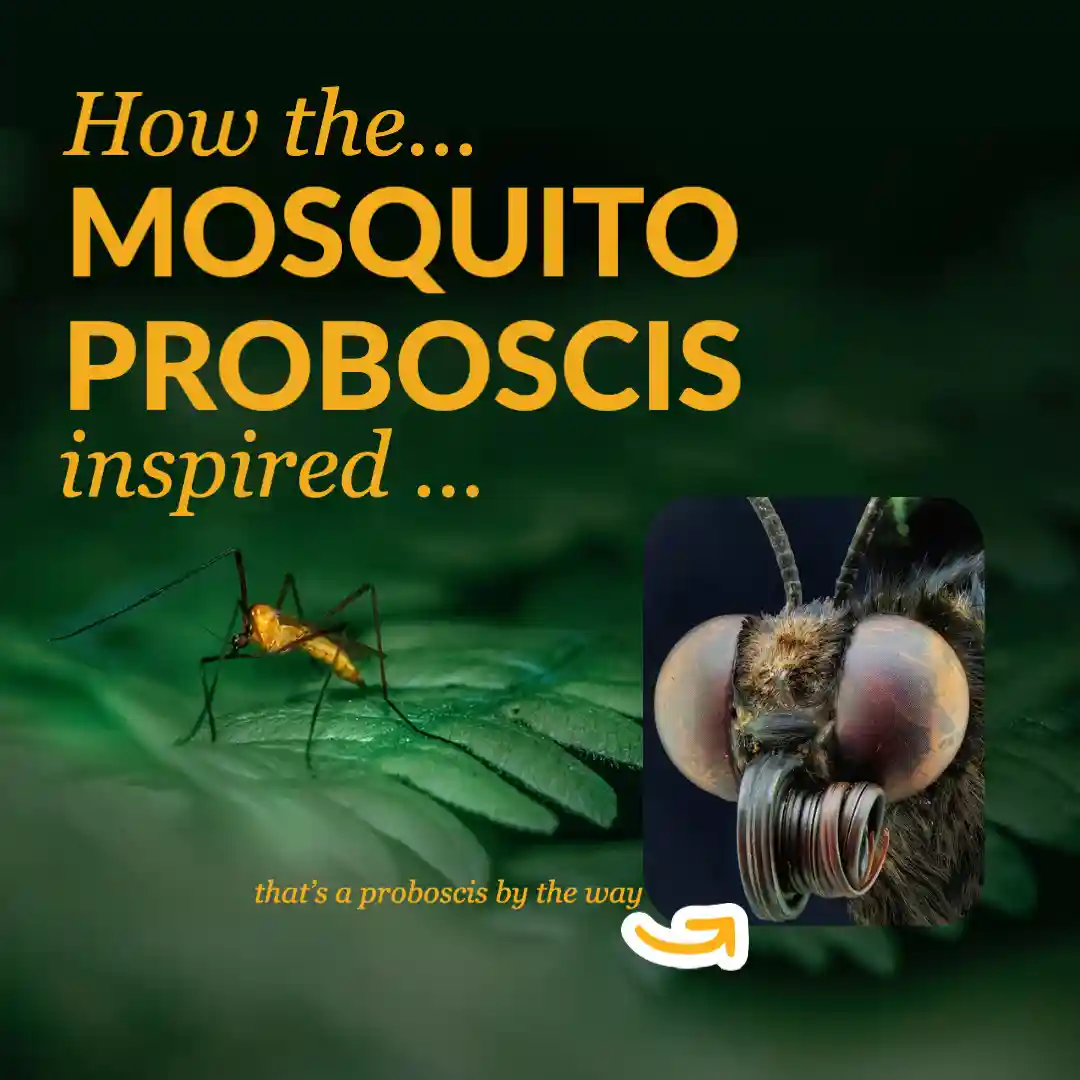

We humans disagree on almost everything but I think we can all agree on how annoying and pesky the mosquitos can be. They have evolved with us to be extremely efficient and sneaky about sucking our blood and have adopted a variety of tools, both physical and chemical, used to dull our ever-powerful senses.
The mosquito's proboscis is made of multiple different needles each with its varied use so that the piercing is not noticeable at all. Researchers in 2008, mimicking the mosquito, developed a 3 prong needle that significantly reduced the pain caused by needle insertion. The methodology is improving and science is getting ever closer to mimicking those pesky bugs in a good way.
🦟 Inspired by: Mosquito proboscis
📍 Where: India & Japan
🎯 Innovation/function: Less painful needle
✏️ Who: M K Ramasubramanian, O M Barham and V Swaminathan
13. How humpback whale fins inspired more efficient wind turbines
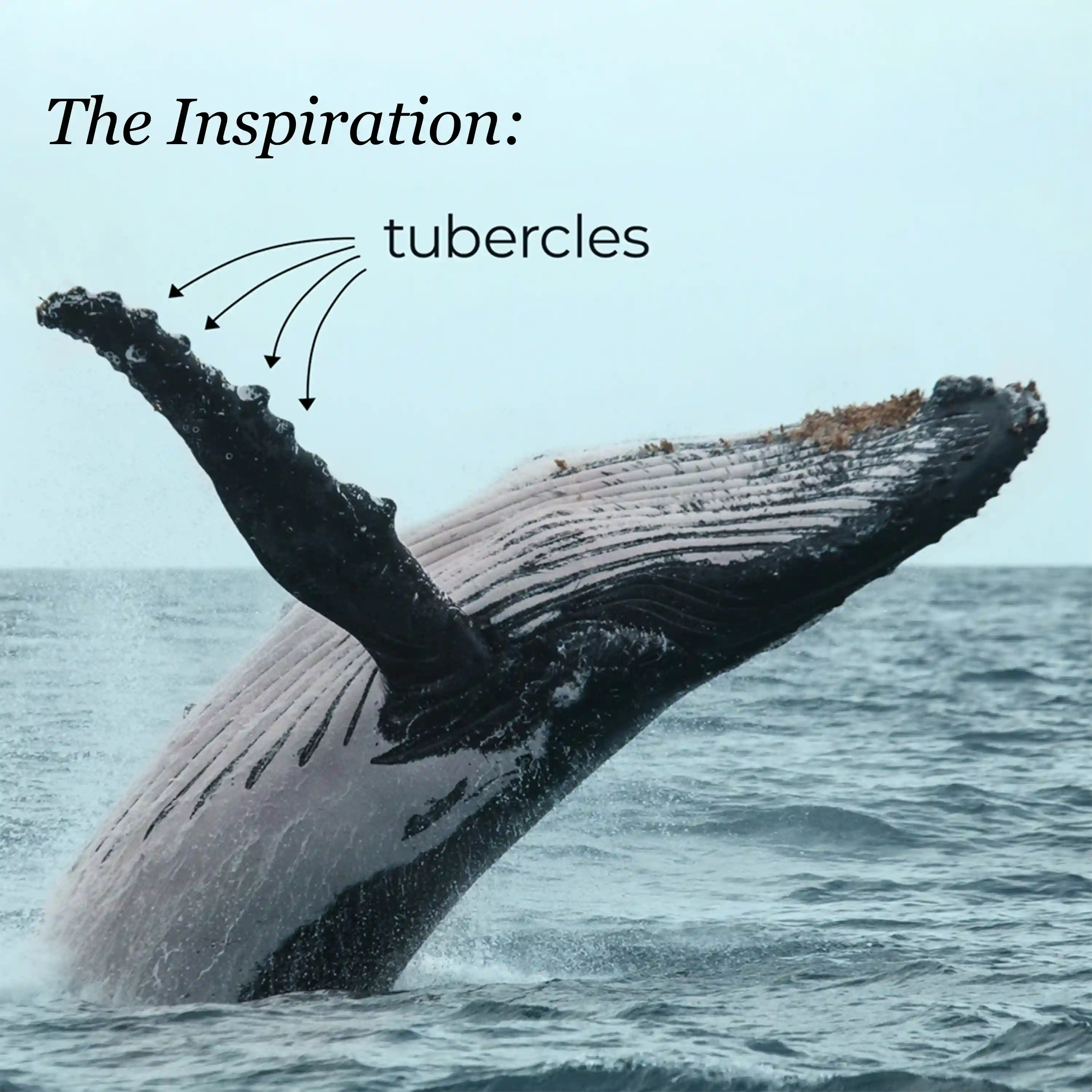

When we think of reducing drag or increasing lift, we mostly picture the smooth surface of an aeroplane, but when researchers inspected the bumps on the humpback whale fins, they discovered something rather counterintuitive. The biomimetic model flippers reduced drag by 33% and increased lift by 8%. Whale Power, Canada, has already implemented them on their wind turbines and this has increased the efficiency by over 40% over the traditional wind turbine in some cases. Similar designs can also be mimicked in other aerodynamic applications such as fan and propeller blades, aeroplanes and surfboards.
🐋 Inspired by: Humpback whale fin
📍 Where: Tests by US Naval academy
🎯 Innovation/function: Decrease drag and increase lift of blades
✏️ Who: Whale Power, Canada
........................................................................................................................................................................
Looking for more examples? Find out what our Biomimicry Practitioners have been working on.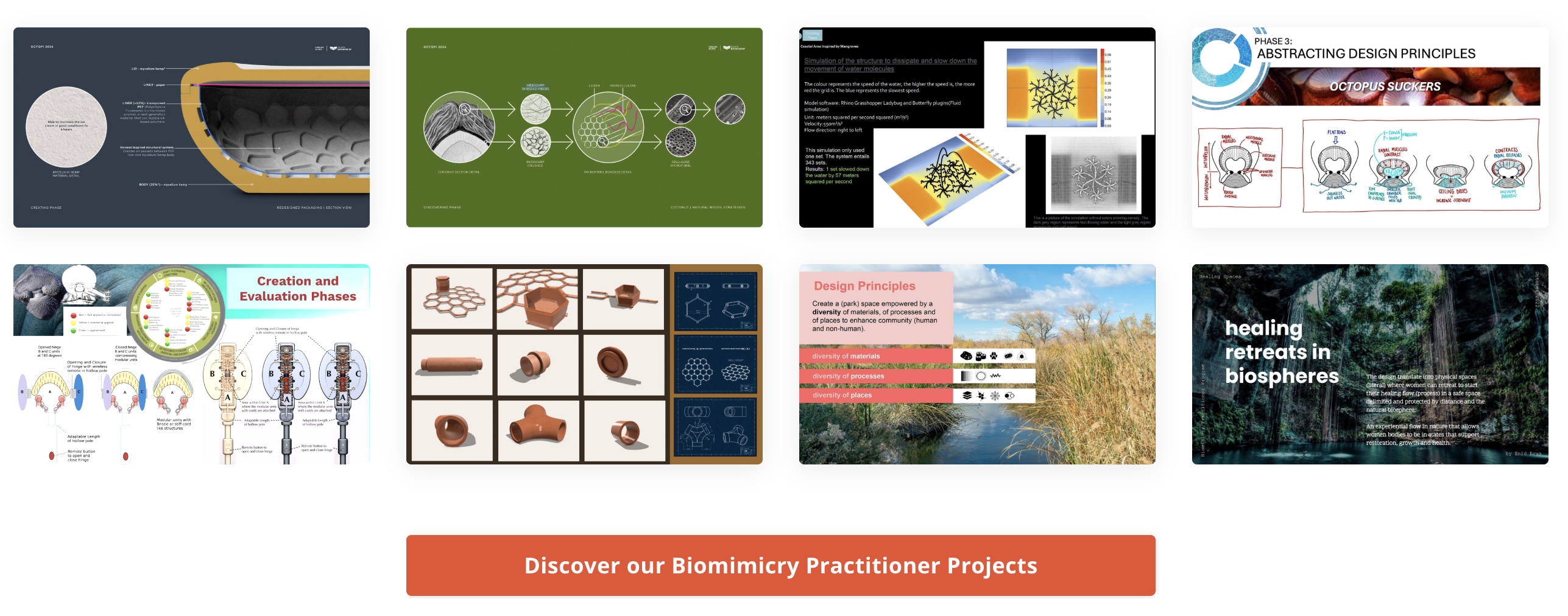
........................................................................................................................................................................
Let's keep going with our 50!
Biomimicry Short Course Set
Want to create inventions like these?
Three self-paced courses, one price: $198. Learn the method behind every example on this list, and apply it to your own work.
See the short courses →14. How diatoms and aquaporins inspired water desalination and filtration


Clean water scarcity is already proving to be a major hurdle for humanity as many major cities around the world are fast approaching day zero. The high energy-intensive process of reverse osmosis is also showing its age and pumping huge amounts of CO2 in the air. But nature has a very effective and efficient way of filtration and each of our tiny cells already comes with this feature preloaded.
It’s called the aquaporin membrane and it allows water molecules to pass through while keeping out the other particles. These aquaporins are very unstable outside the cell structure, but researchers at Aquammodate have gone a step further by mimicking the silica around a microalga called diatoms which protects the delicate aquaporins from disintegrating. These combined discoveries have the potential to save the world and avert an impending disaster fueled by water scarcity.
💦 Inspired by: Diatoms and aquaporins
📍 Where: Sweden
🎯 Innovation/function: Energy efficient, non-toxic water filtration
✏️ Who: Aqammodate
15. How nature inspired circular economy
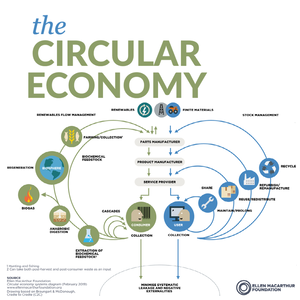
One of the major problems we face on our planet is the waste that is produced from our consumer lifestyle that is just ending up in landfills and in our oceans as micro plastics. Nature though, in its design, has evolved methods and lifeforms so that every microscopic bit of bio material is not considered a waste and it’s a part of the ever operational biological cycle of nutrients.
Turning bike tires into bags, sugar cane waste into to-go boxes, and reclaimed wood to new flooring is what the circular economy looks like for us. Also major culprits like fast fashion have taken up the task to design new clothes from clothing waste. The future is to design industrial complexes with all industries in effect producing zero waste as byproducts of one industry are fed as raw materials for another. A true ecosystem mimicry.
🪲 Inspired by: The ecosystem
🎯 Innovation/function: Circular economy products. Products out of waste
✏️ Who: Green Guru, TerraCycle, Greenline Paper
16. How Stenocara beetles inspired water harvesting from air
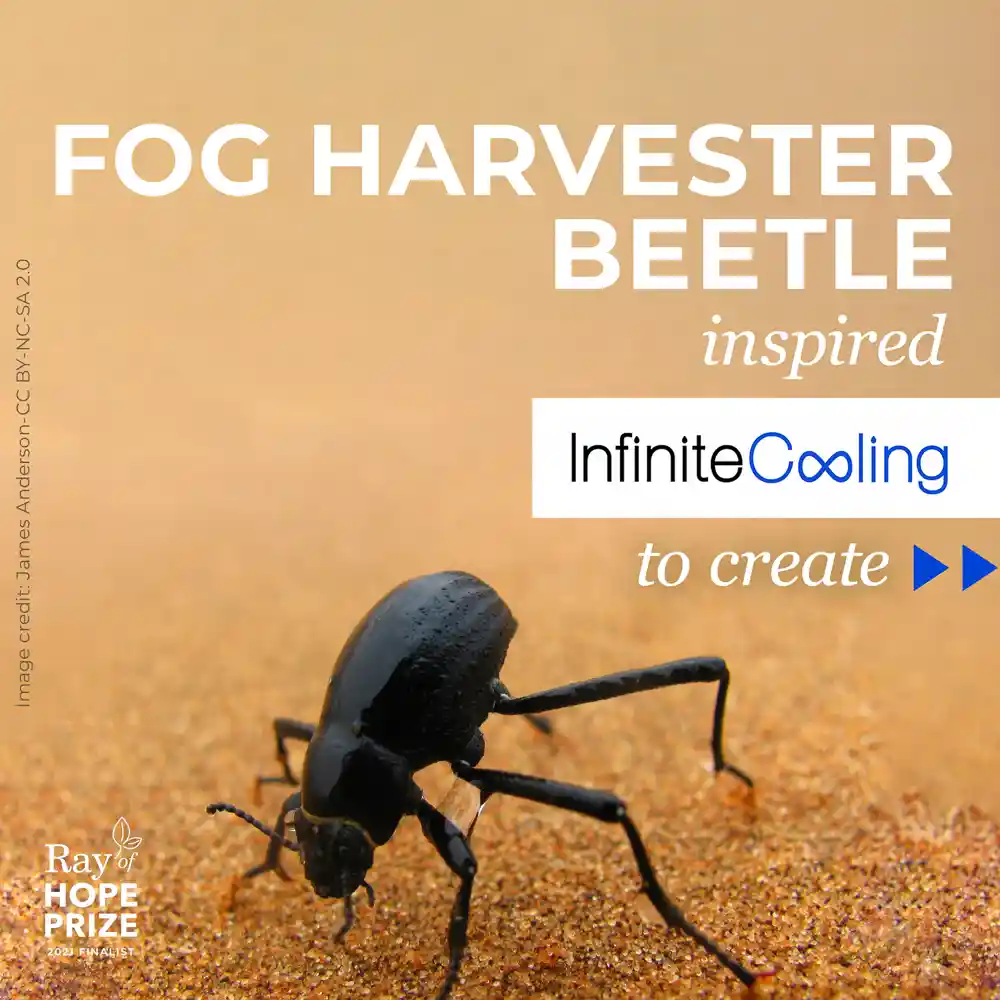
They say nothing comes out of thin air. Well, no one told that to this little survivor specialist found in the harsh climate of the Namibian desert. To survive this hellish waterless biome, evolution has provided the Namib beetle with an interesting way of collecting water from the thin air using the various bumps and ridges found on the body to collect and condense water vapours and channel the collected water to its mouth.
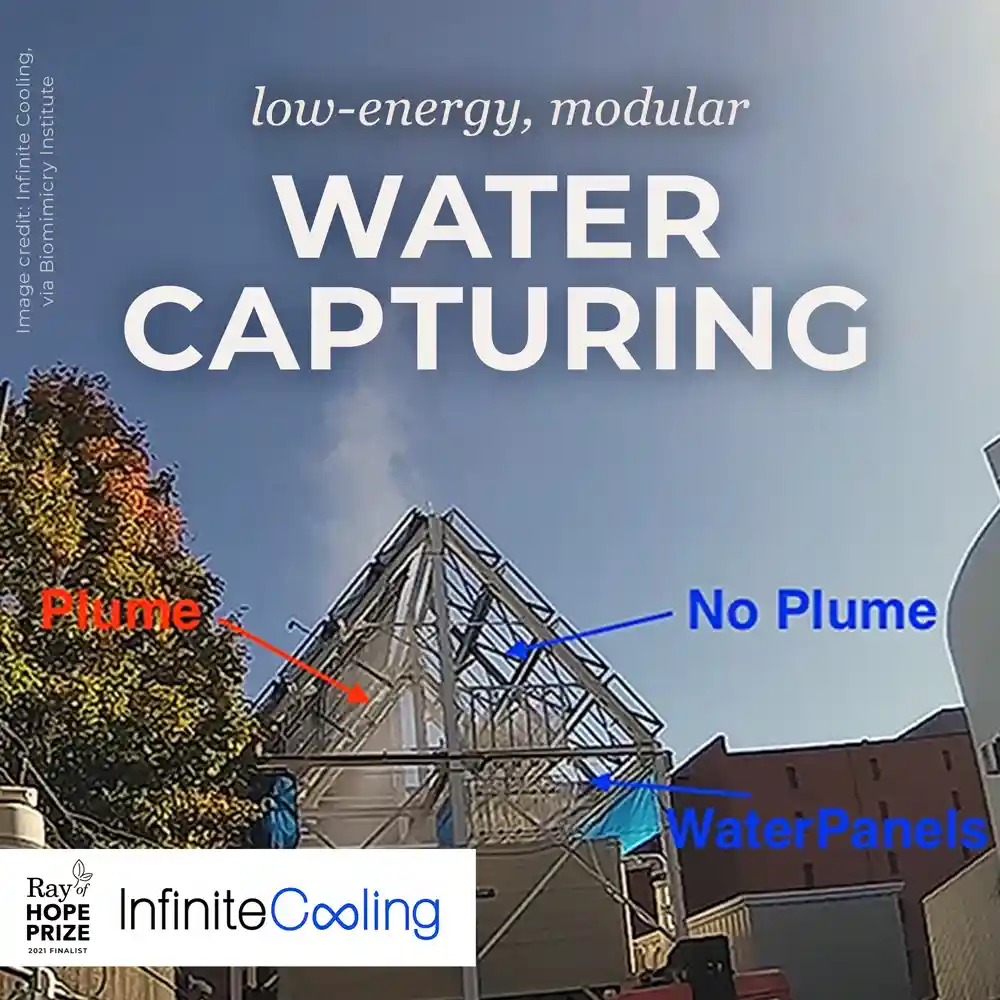
Infinite Cooling, USA, has developed a fog-catching system by capturing evaporating water from cooling tower plumes. This is vital for the industrial sector, which is one of the highest consumers of commercial water. A big step toward fighting the climate crisis was learnt from this tiny beetle in the middle of the desert.
🪲 Inspired by: Stenocara beetle
📍 Where: United States
🎯 Innovation/function: Water harvesting from fog and air
✏️ Who: Infinite Cooling
17. How termites' thermal management inspired Encycle's Swarm Logic
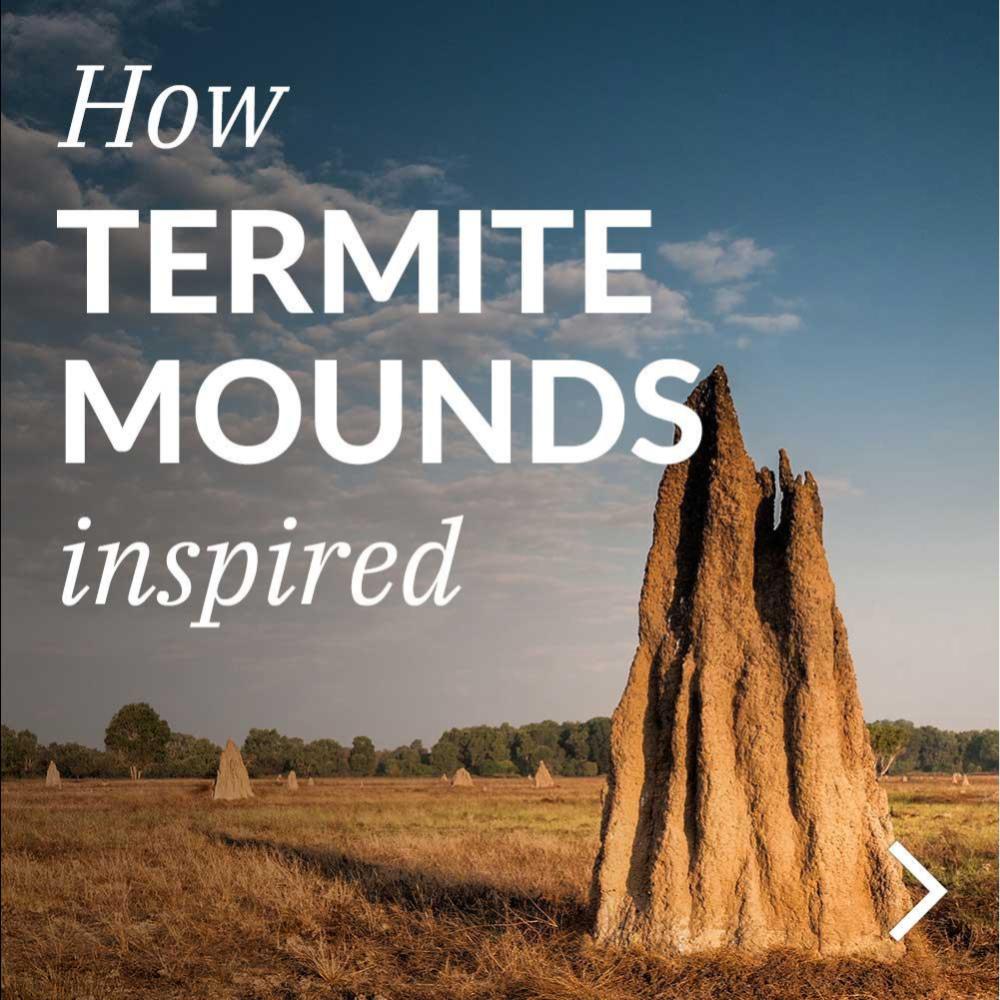
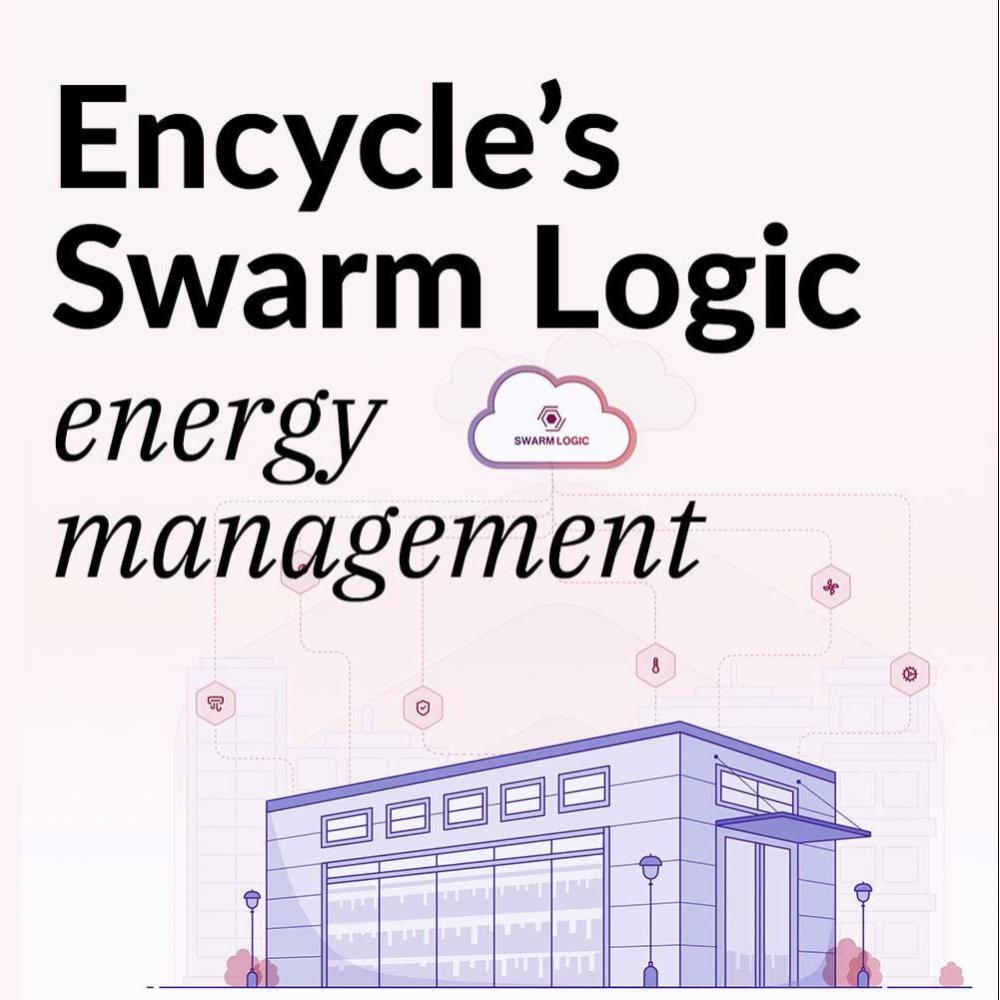
Termites are the ultimate HVAC engineers, maintaining steady temperatures in their mounds despite scorching external heat. Rather than building massive cooling units, Encycle’s "Swarm Logic" mimics the way these insects communicate. By allowing HVAC units to "talk" to one another and synchronize their energy draw, they reduce peak demand and energy consumption by up to 30%. It’s teamwork, bug-style.
🪴 Inspired by: Termites' regulation of temperature in their mound
📍 Where: -
🪣 Innovation / Function: Swarm-logic based energy distribution models
✏️ Who: Encycle
18. How sharkskin inspired a high-tech swim fabric
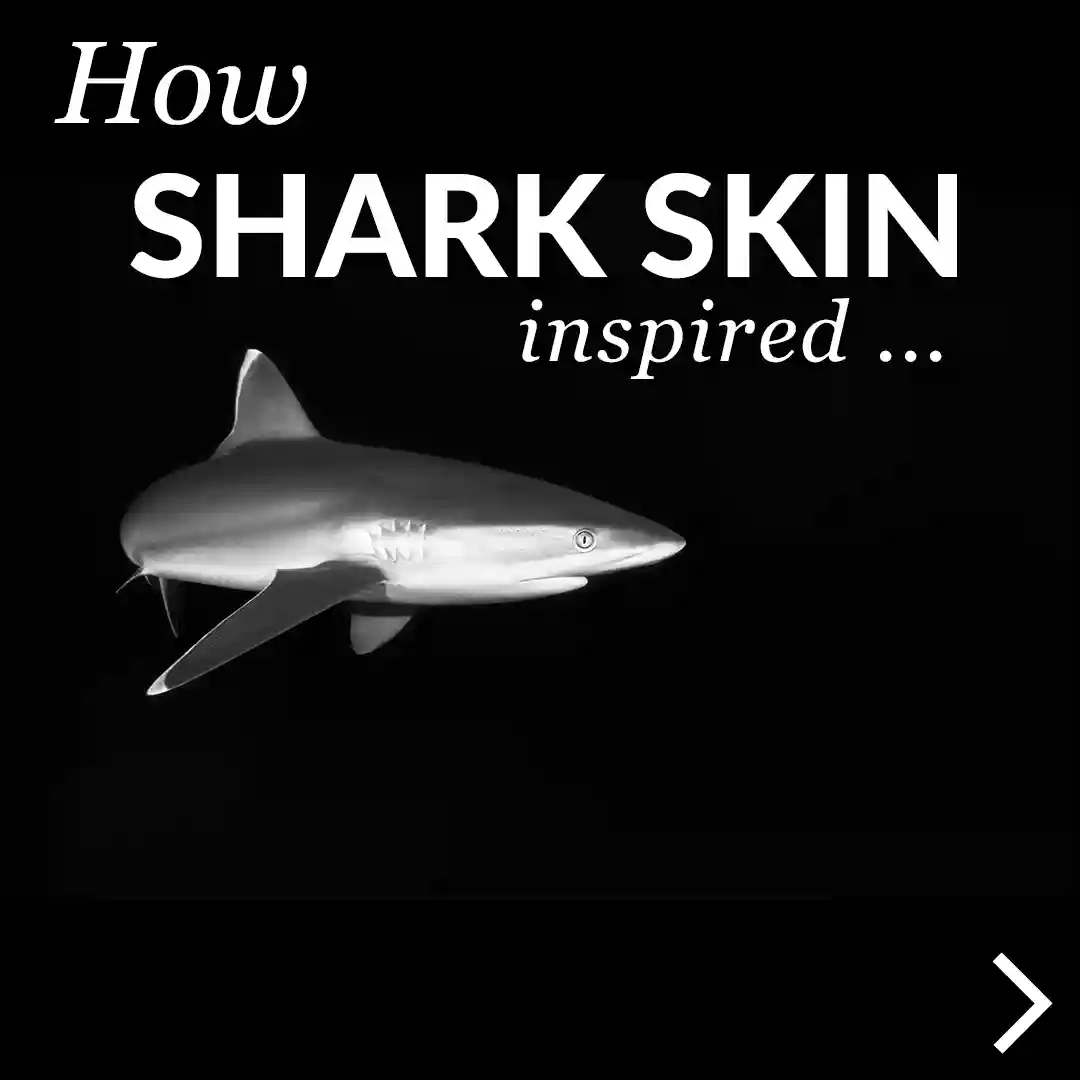
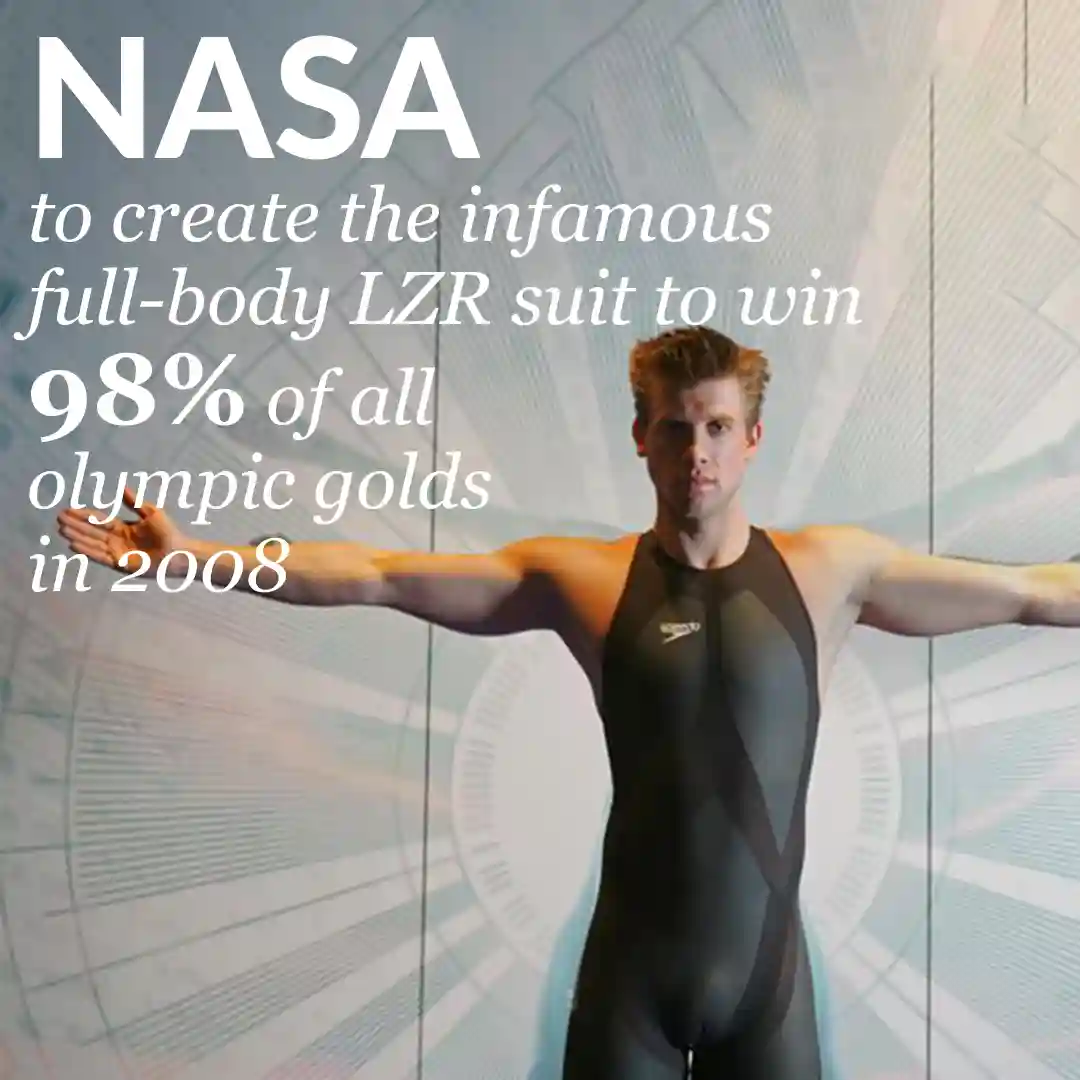
A shark, although championed for its teeth and immense bite force, might have another evolutionary ace up its sleeve. Shark skin is covered with types of scales called dermal denticles. These denticles disrupt eddie formation and create a low-pressure zone. This leading edge vortex propels the shark forward and reduces drag immensely.
The now infamous and banned suits designed by Speedo & NASA for the 2008 US Olympic swimming team won 98% of all Olympic gold medals. Additionally, the denticles are also covered with microscopic ridges which make it very hard for bacteria and other germs to cling to it. This makes it an ideal candidate for self-cleaning material used in hospitals and children’s schools.
🦈 Inspired by: Sharkskin
📍 Where: USA
🩱 Innovation/function: Drag-reducing swimwear, anti-germ fabric for hospitals
✏️ Who: Speedo & NASA
19. How fungi inspired green building material
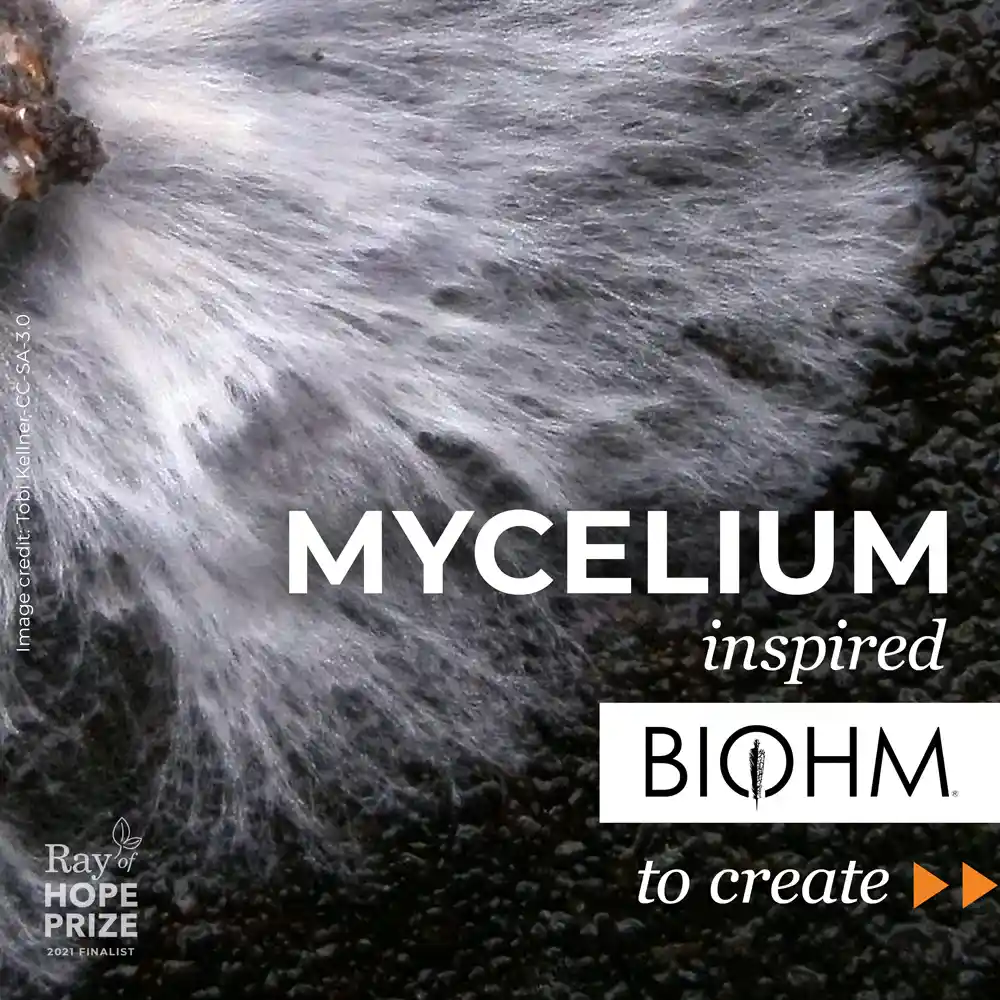
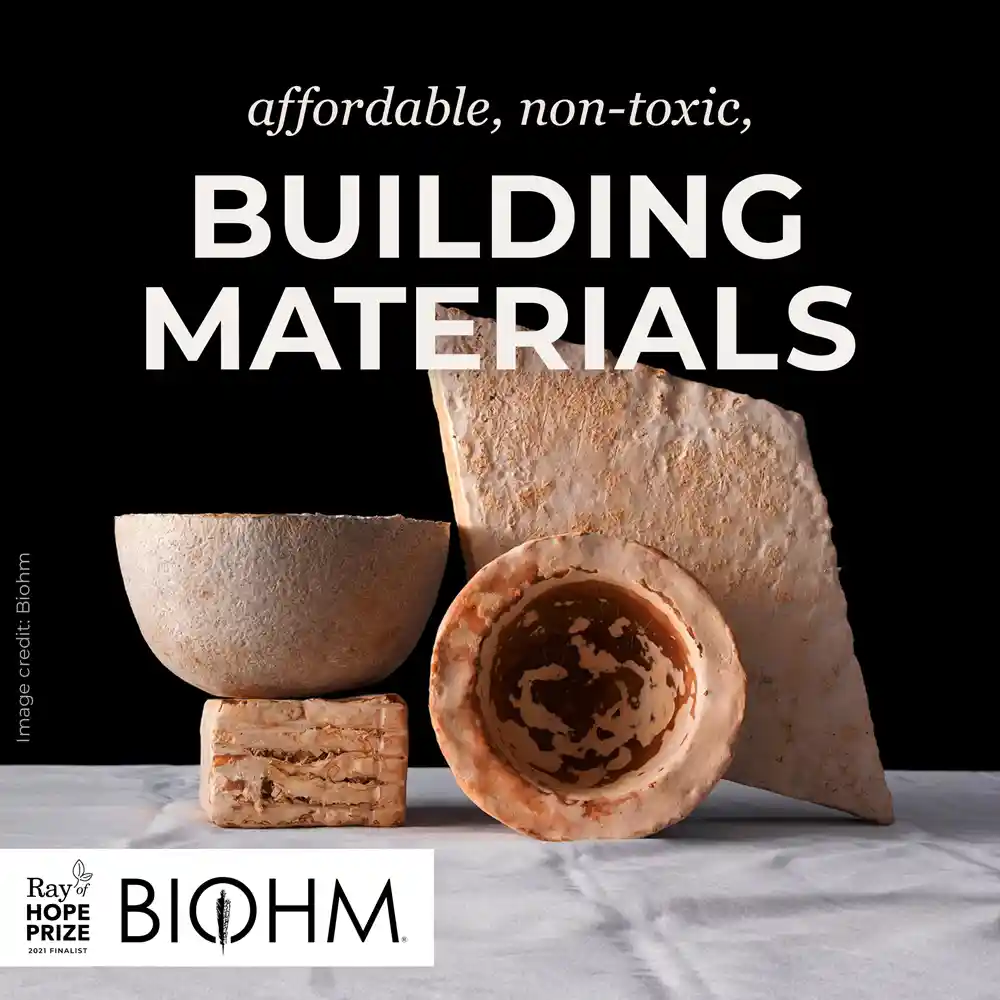
Fungi are one of the most unique and important members of the earth's delicate ecosystem. They are nature's grim reapers as they recycle their waste back into the cycle so that new life can grow and flourish. Humans create huge amounts of waste which are organic and inorganic in nature. The researchers at Biohm have already created a heat-insulating panel which performs even better than traditional insulation materials and it's made up of mycelium, the vegetative part of the fungus. It is also completely biodegradable. They are also working to develop a new mycelium to recycle plastic and other human-produced wastes into green building materials.
🍄 Inspired by: Fungi
📍 Where: UK
♻️ Innovation/function: Biodegradable, non-toxic, better-performing material made from industrial waste
✏️ Who: Biohm
20. How proteins in coral and sea jellies inspired life-friendly fibres
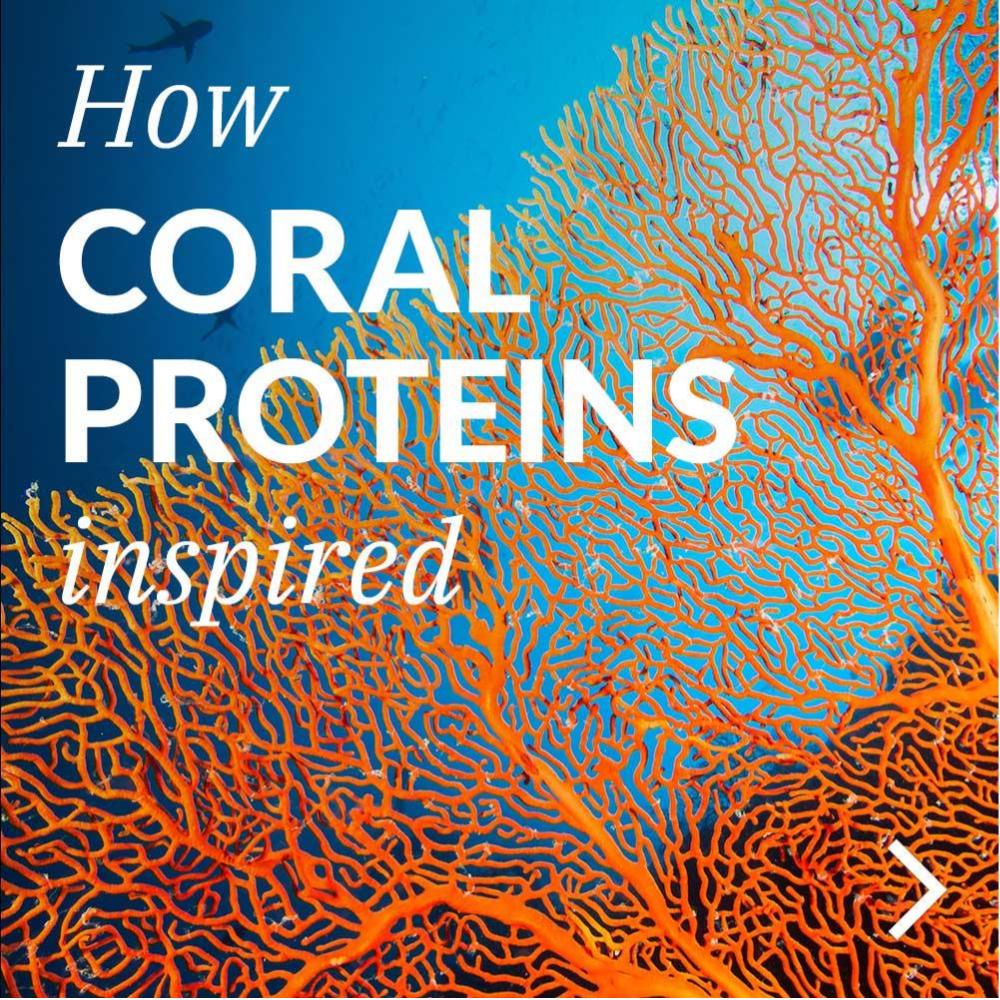
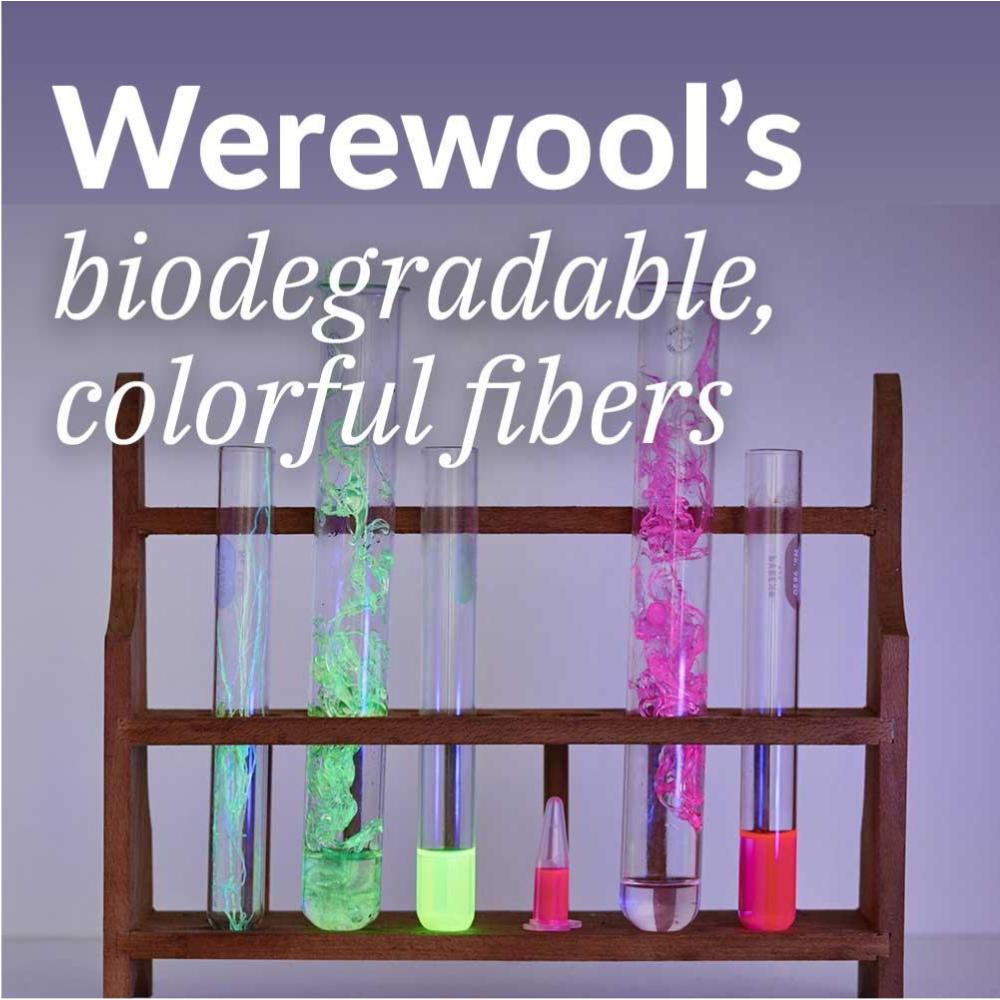
Nature doesn’t need toxic dyes to look fabulous; it uses DNA. Werewool mimics the fluorescent and structural proteins found in organisms like coral and sea jellies to create colorful, functional fibers. By "growing" color directly into the protein structure, they eliminate the need for the heavy metals and massive water waste typical of the fast-fashion industry.
🪲 Inspired by: Proteins in corals and sea jellies that controls material properties
📍 Where: Australia
🎯 Innovation / Function: Build life-friendly, tuneable fabrics with specific properties
✏️ Who: Werewool (a subsidiary of Circumfauna)
21. How bacillus bacteria inspired a self-healing bio-concrete
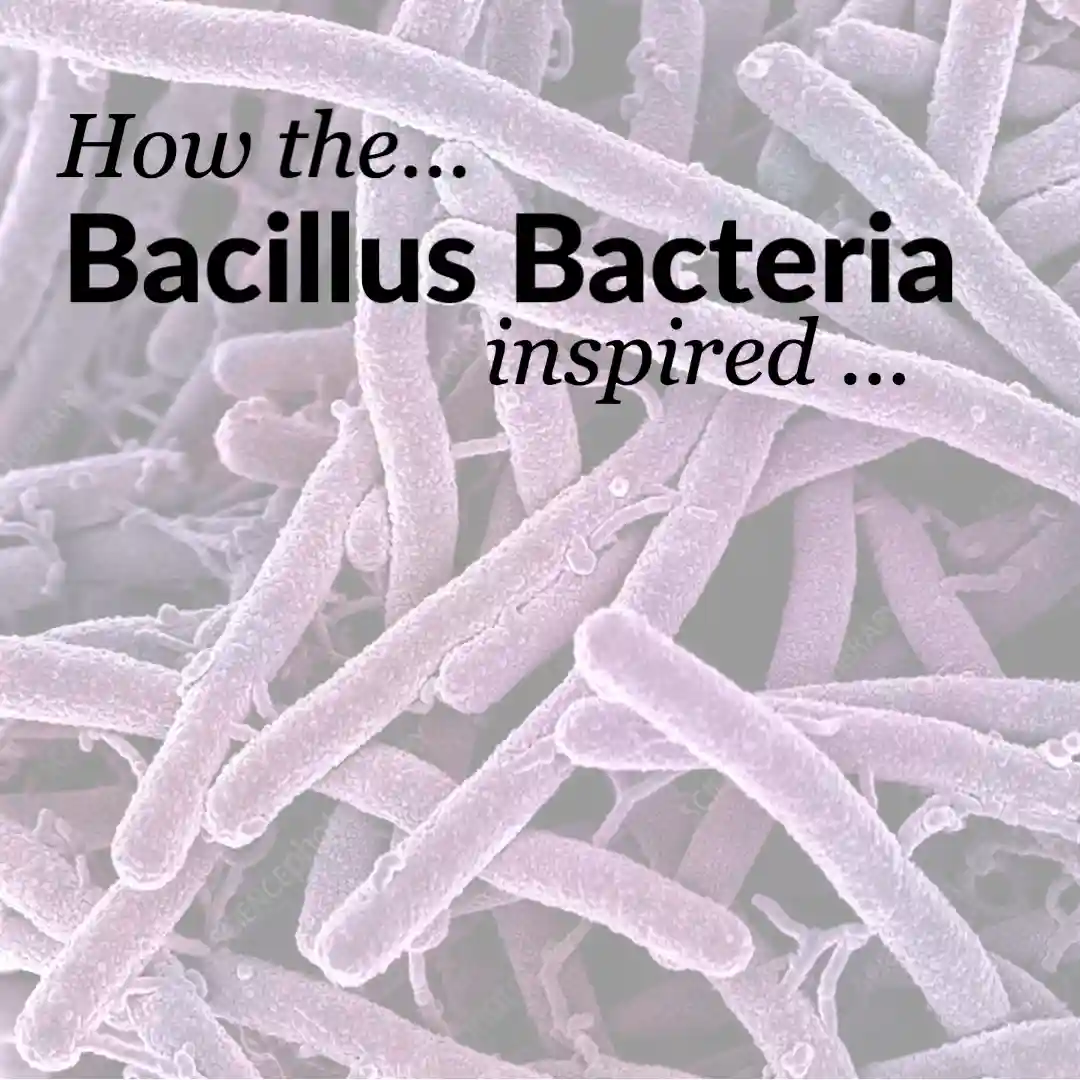
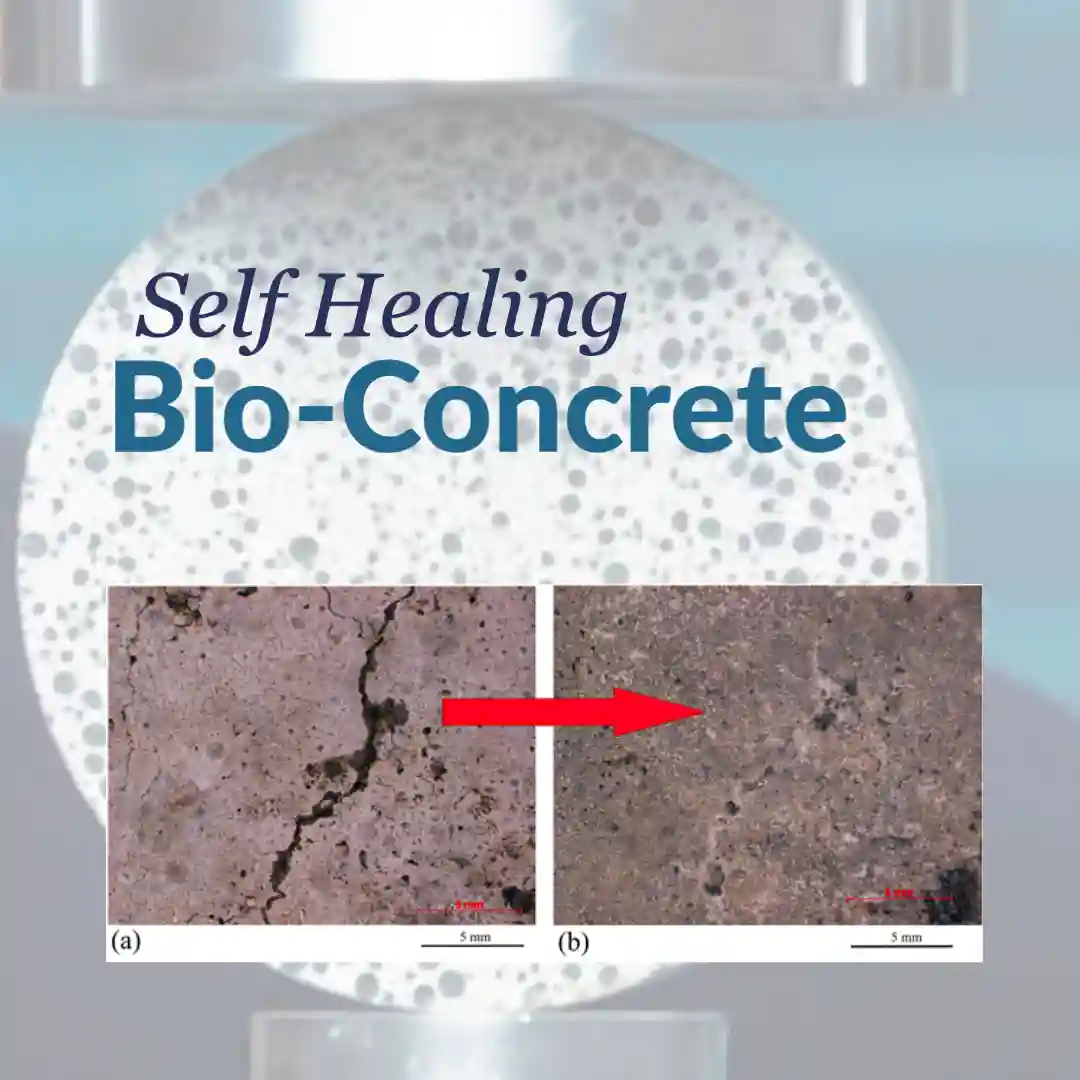
Concrete makes the world go round but, as with anything else in this world, it degrades over time. And with the amount of the stuff that we use, it costs tens of billions of dollars the world over to repair damaged concrete. And that’s every year!
But what if we had concrete that heals itself as our own body does? That’s exactly the solution Hendrik Marius Jonkers came up with when he found rock-dwelling, limestone-producing bacillus bacteria. These bacteria lie dormant inside the concrete.
Anytime a crack occurs in the material and the bacteria is exposed to moisture and air, it springs back into action and produces limestone! The bacteria has a lifespan of 200 years and can save the world billions of dollars and a lot of time.
🦠 Inspired by: Bacillus Bacterium
📍 Where: Netherlands
🎯 Innovation / Function: Self-repairing concrete
✏️ Who: Hendrik Marius Jonkers
22. How mussels inspired a non-toxic underwater adhesive
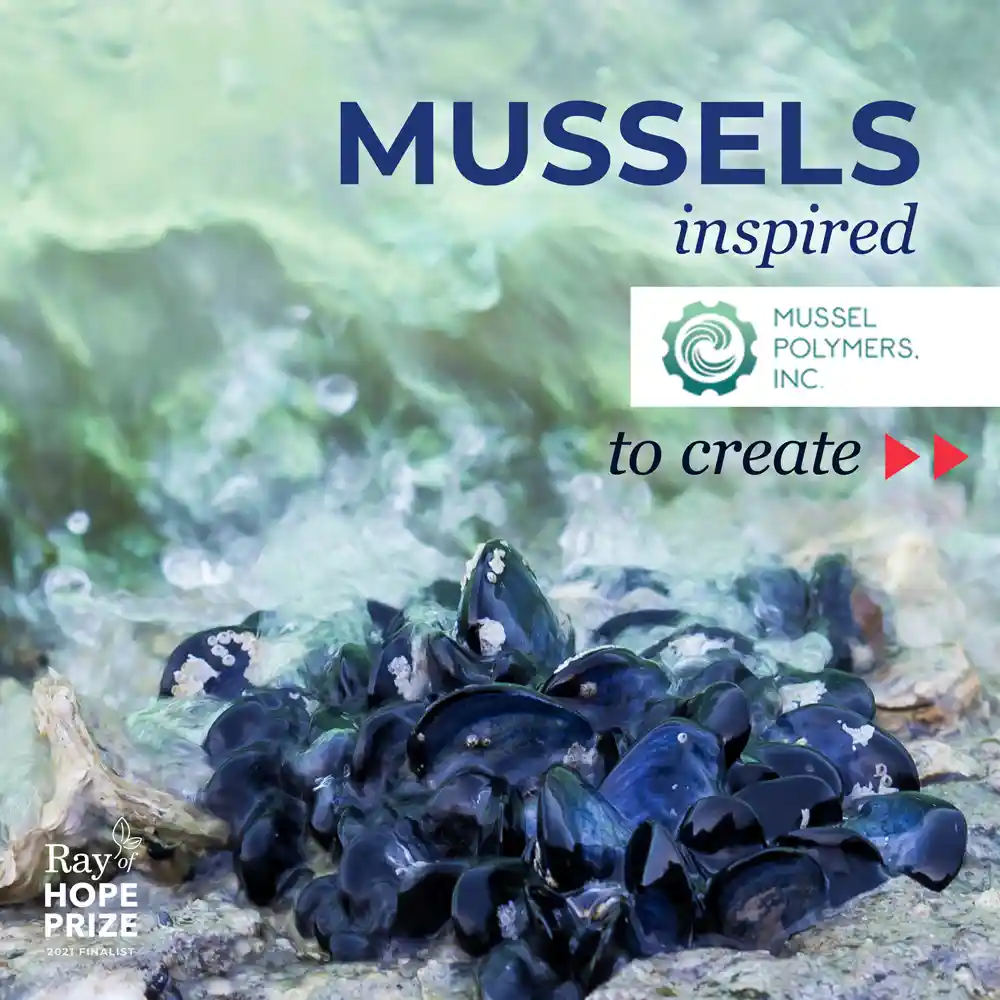
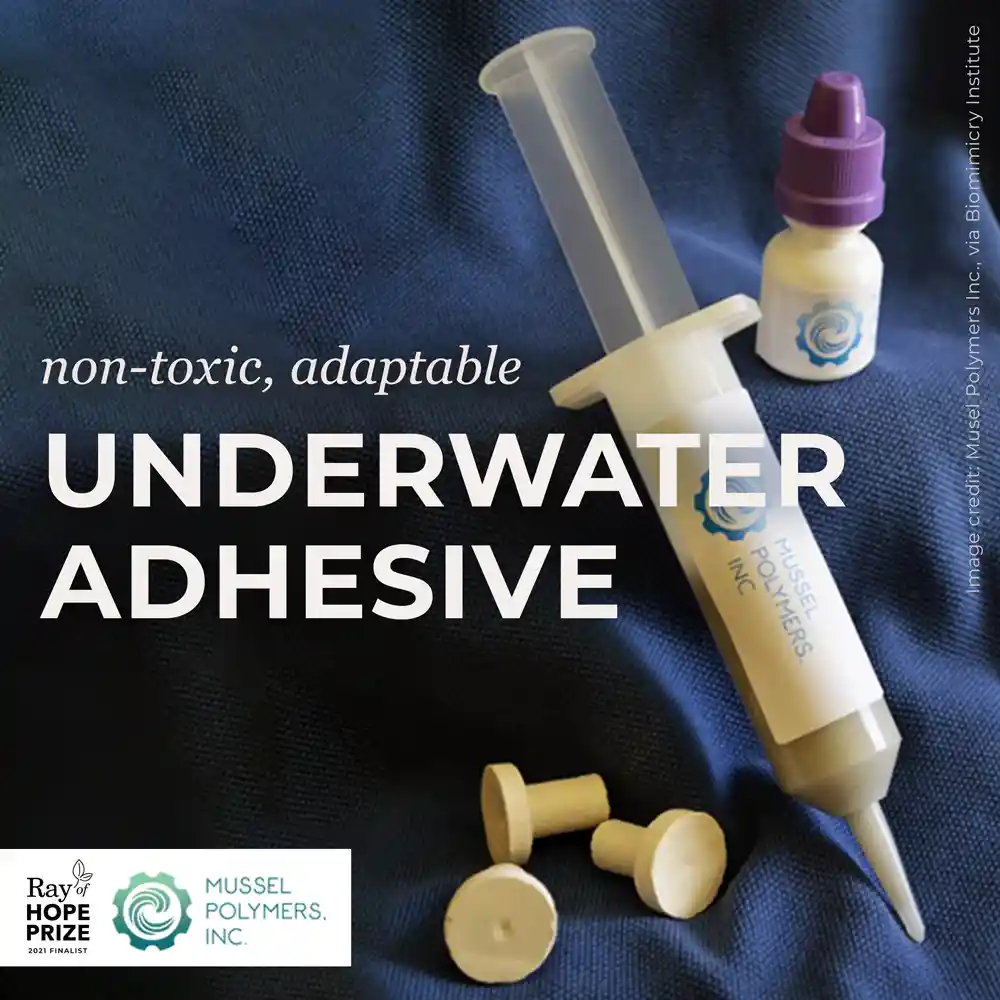
On a scuba diving excursion, the lead scientist of Mussel Polymers Inc. discovered the remarkable ability of mussels to adhere to surfaces even in strong currents. He then found out about the adhesive used by them and along with other researchers and universities, came up with a solution which mimics this extraordinary compound. This adhesive works 3 times stronger than other underwater solutions and is also non-toxic to the environment. A major problem faced by coral conservationists is that they are not able to replace the coral at the rate that they are getting bleached out. This solution can expedite the process and help save one of the most important biomes on our fragile little planet.
🦪 Inspired by: mussels adhesive
📍 Where: Pennsylvania, USA
🎯 Innovation / Function: Non-toxic, strong underwater adhesive
✏️ Who: Mussel Polymers
23. How structural colour in berries inspired non-toxic pigments
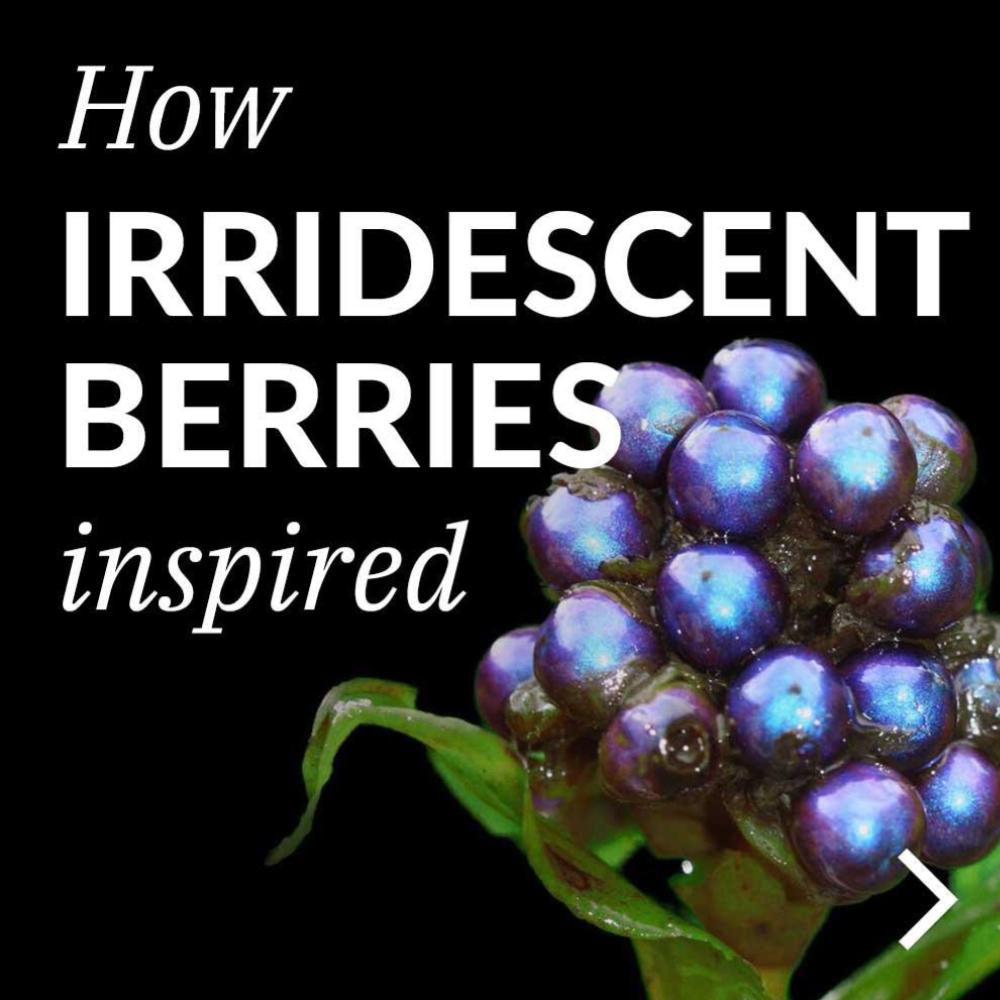
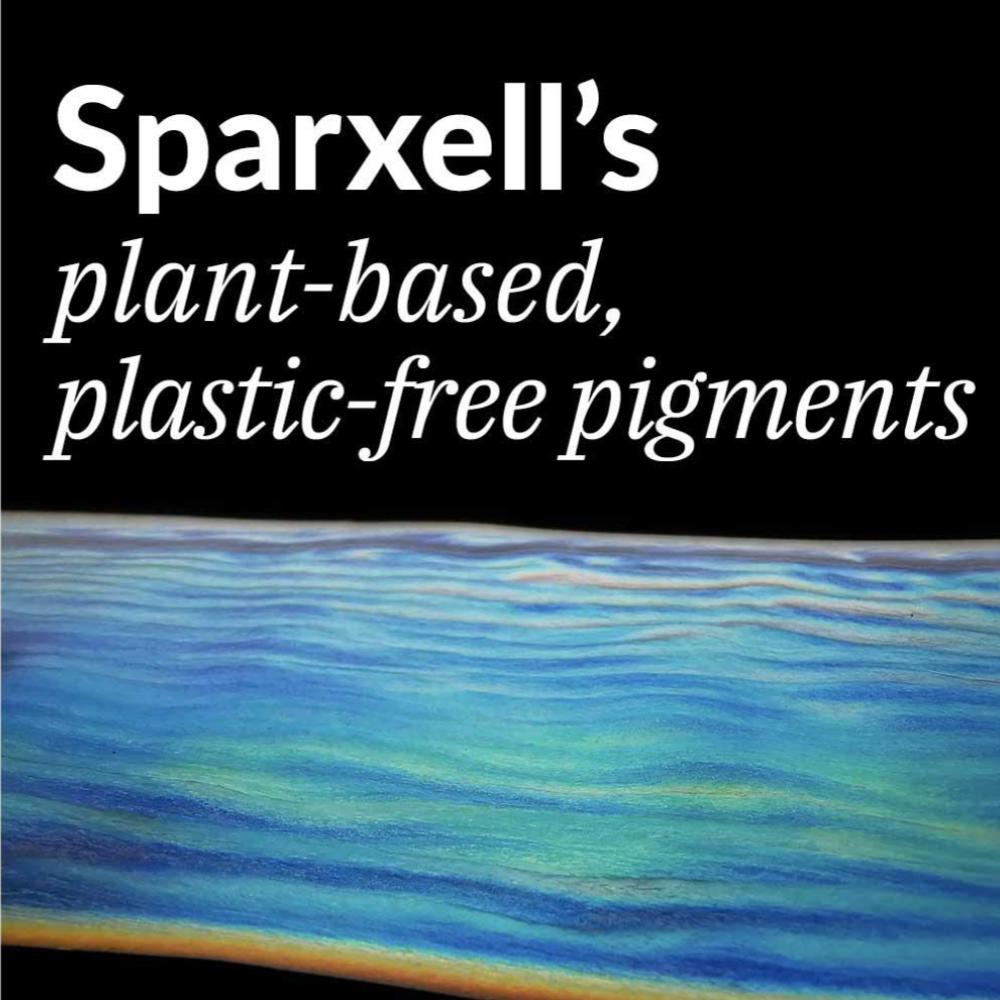
Ever wonder how mother nature just keeps looking good? Well, marble berries for a start – and they don't lose their shine. It’s not pigment; it’s geometry. Sparxell mimics this "structural color" by using cellulose – the most abundant plant polymer on Earth – to reflect specific light wavelengths. The result? Shimmering, metallic pigments that are entirely plant-based, biodegradable, and free from the toxic minerals usually found in glitters and paints.
🪲 Inspired by: Structural colour, created by cellulose fibres
📍 Where: UK
🎯 Innovation / Function: Create colour using form, not chemistry
✏️ Who: Sparxell
........................................................................................................................................................................
Did you notice that these case studies are the emulation of nature's Forms, Processes and Systems?
Find out more in our Biomimicry Foundations Short Course Set.

........................................................................................................................................................................
Onwards!
24. How snake skin inspired shoe grips with better friction
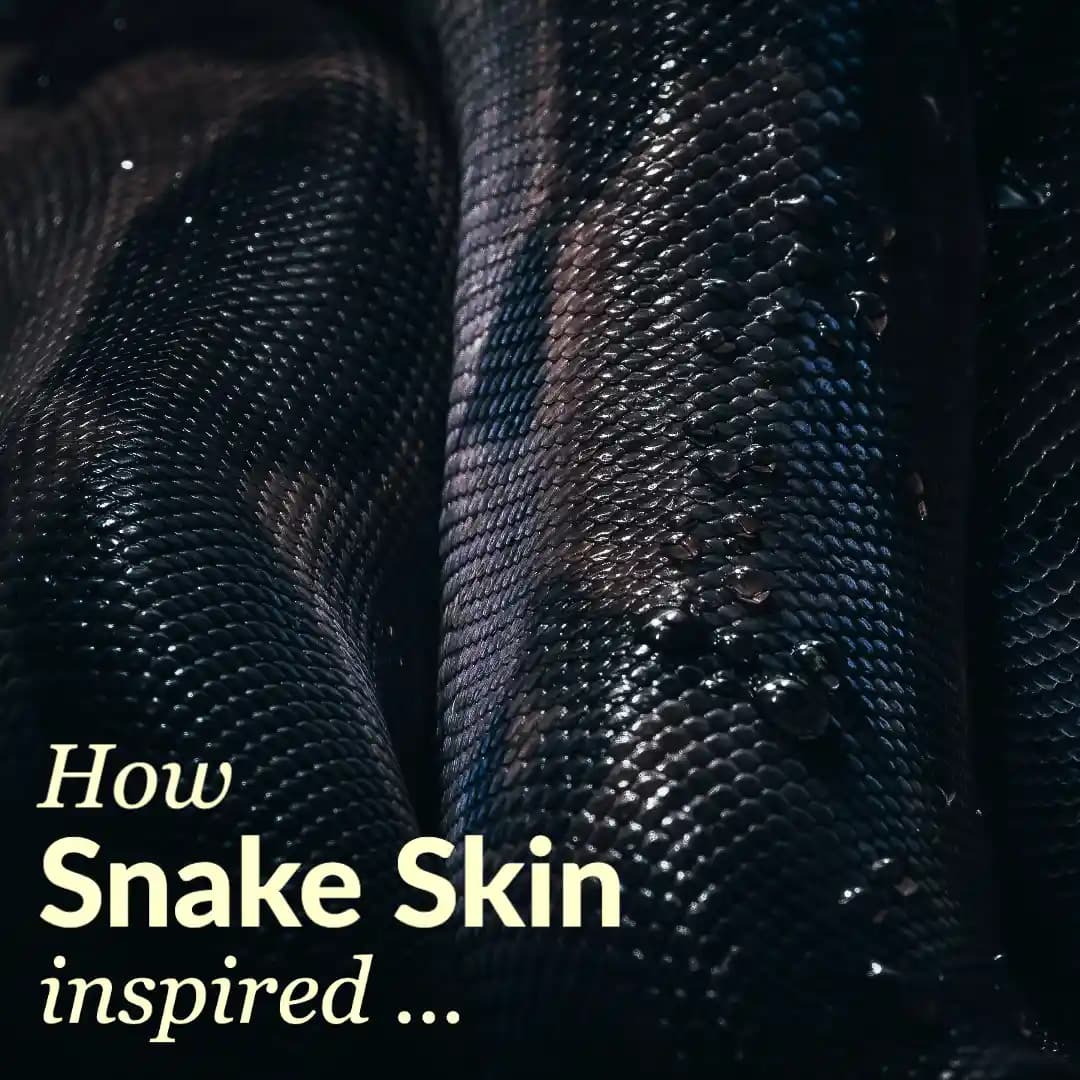
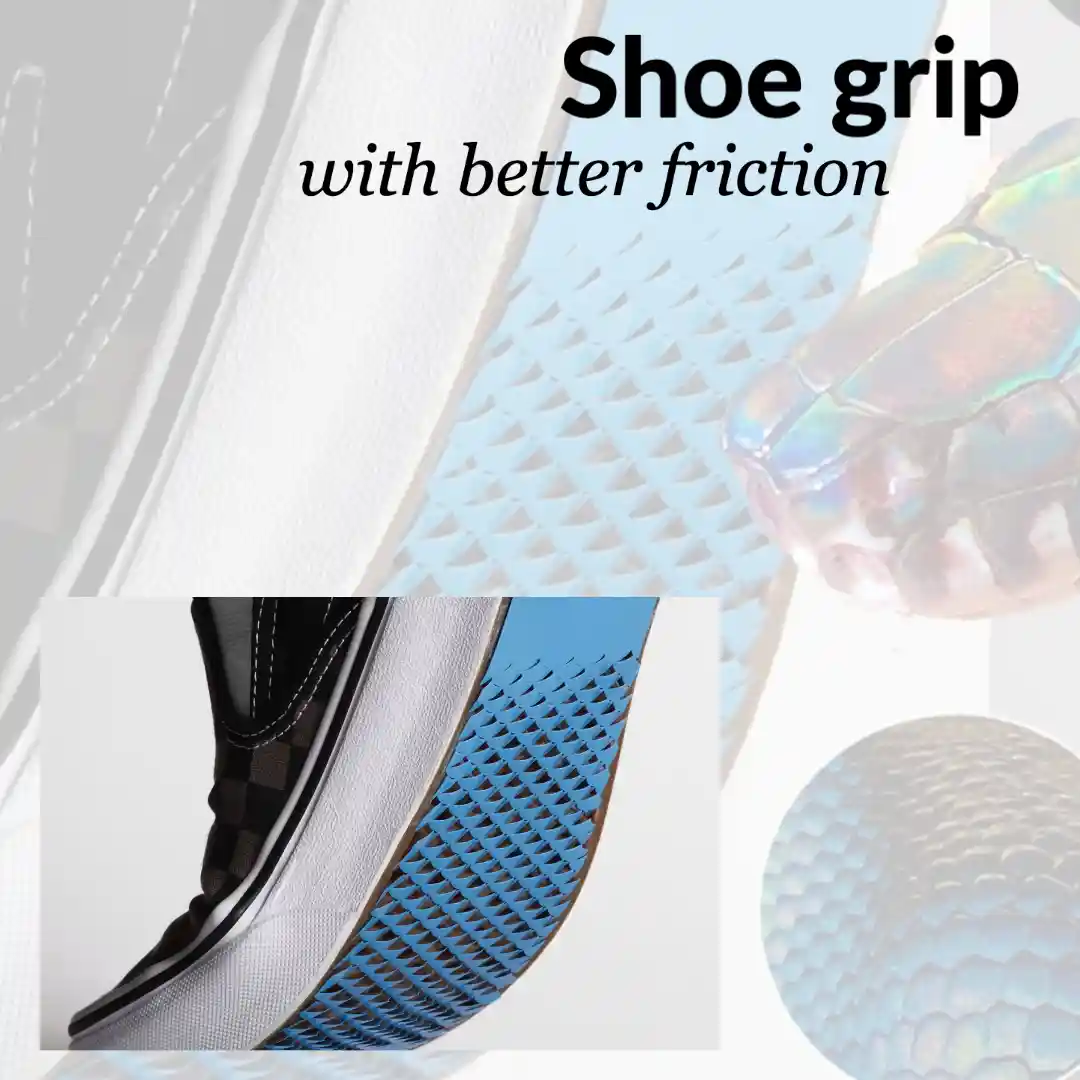
There is a major public health scare among our senior citizens that is going unnoticed! Falls are the leading cause of death for older adults and the second leading cause of occupational-related deaths. So it infers that if we could increase the friction between the feet and the floor, we could save lives and billions in medical bills.
The researchers at SEAS and MIT in response have developed an adaptive shoe grip which is achieved by cutting the material as per the Japanese technique of Kirigami. The cuts mimic the scales on the skin of a snake and it is designed such that when the material stretches, the spikes pop out, sticking into the ground and when it flattens, spikes fold back, flattening the surface. This allows the shoes to be more grippy and also very light, allowing the wearer to traverse the surface with the dexterity of a snake.
🪲 Inspired by: Snake skin
📍 Where: Cambridge, MA, USA
🎯 Innovation / Function: Organic, chemical-free pest control
✏️ Who: Harvard John A. Paulson School Of Engineering And Applied Sciences
In you're interested, read more here about ten patterns in nature that solve design challenges.
25. How a kingfisher, an owl and a penguin inspired the Shinkansen Bullet Train
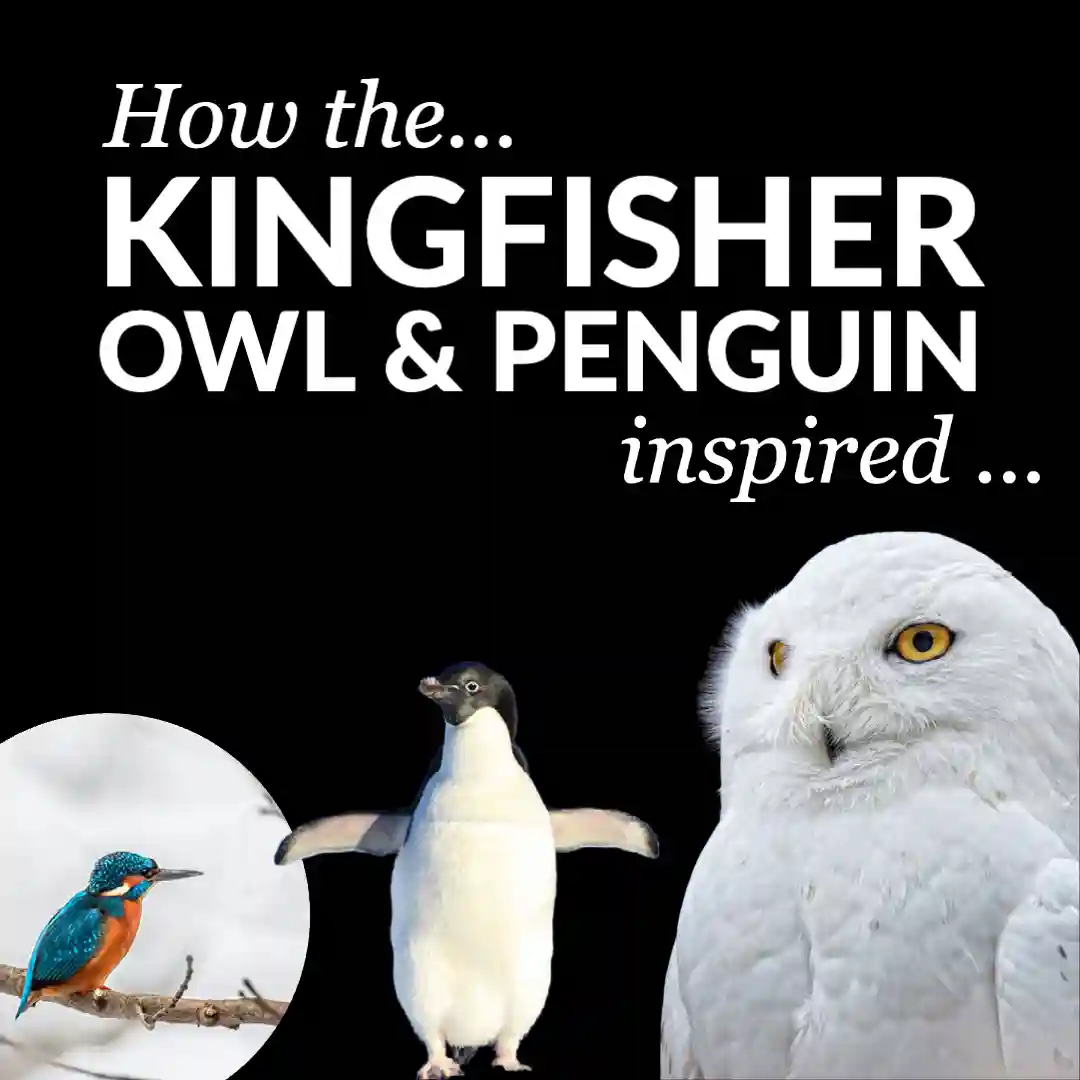

In 1989, the Shinkansen bullet train was fast. Really fast! It boasted speeds up to 270 kph but had one major problem, it made a loud boom in residential areas as it exited tunnels due to the pressure buildup as it passed through them. Luckily, the lead designer was an avid bird watcher and he came up with an ingenious solution using nature.
He noticed that the kingfisher also similarly had to travel from one dimension(air) to another(water) silently and fast to catch its underwater prey and modelled the train’s front as per the beak of the kingfisher. Similarly, connectors were designed as per the silent wings of the owl and the slippery bellies of the Adélie penguin. This made the train 10% faster, use 15% less power while being quiet as a kingfisher.
🐧 Inspired by: Kingfisher beak, Owl wing, Adélie penguin
📍 Where: Japan
🎯 Innovation/function: Shinkansen bullet train
✏️ Who: Eiji Nakatsu
26. How termite mounds inspired efficient cooling and ventilation
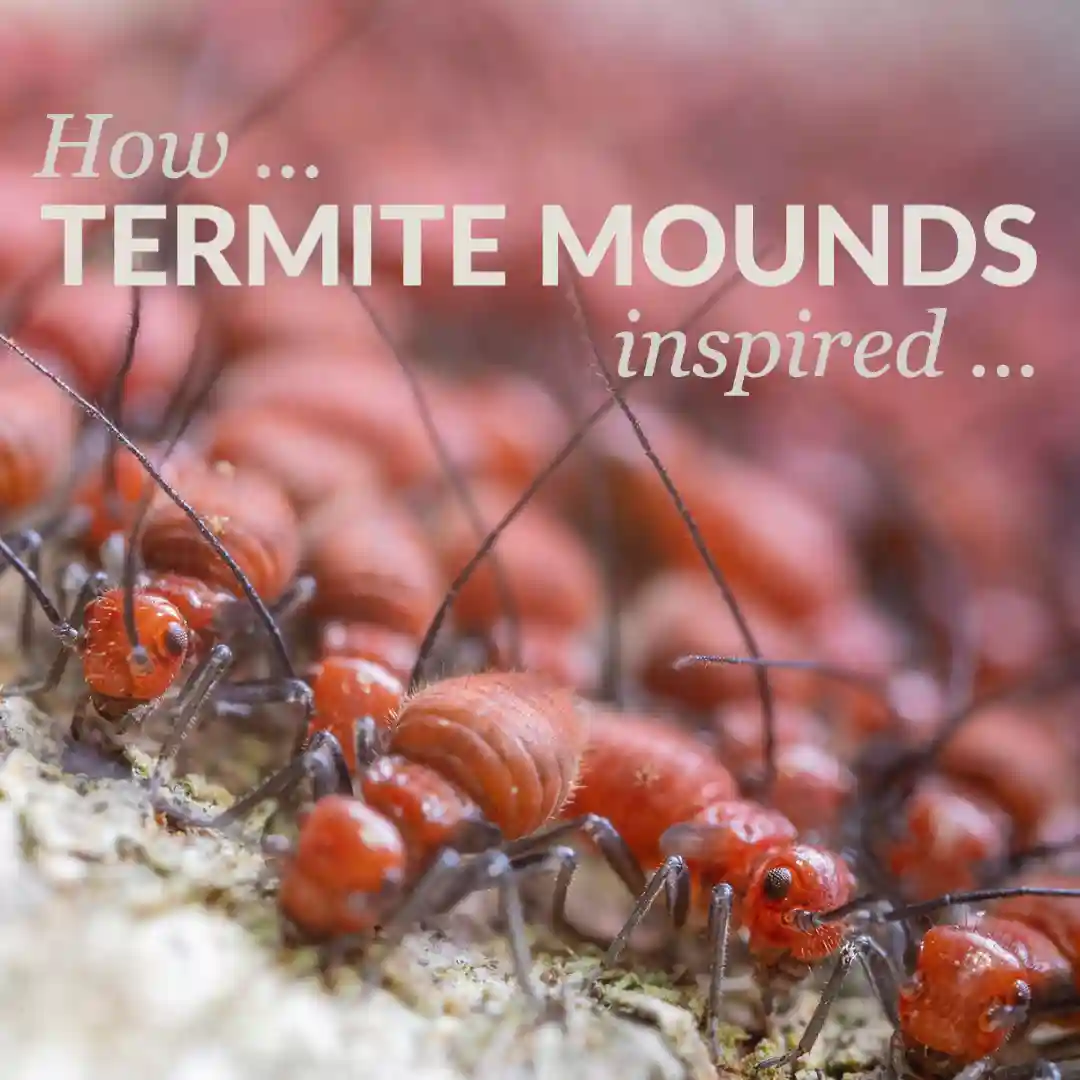
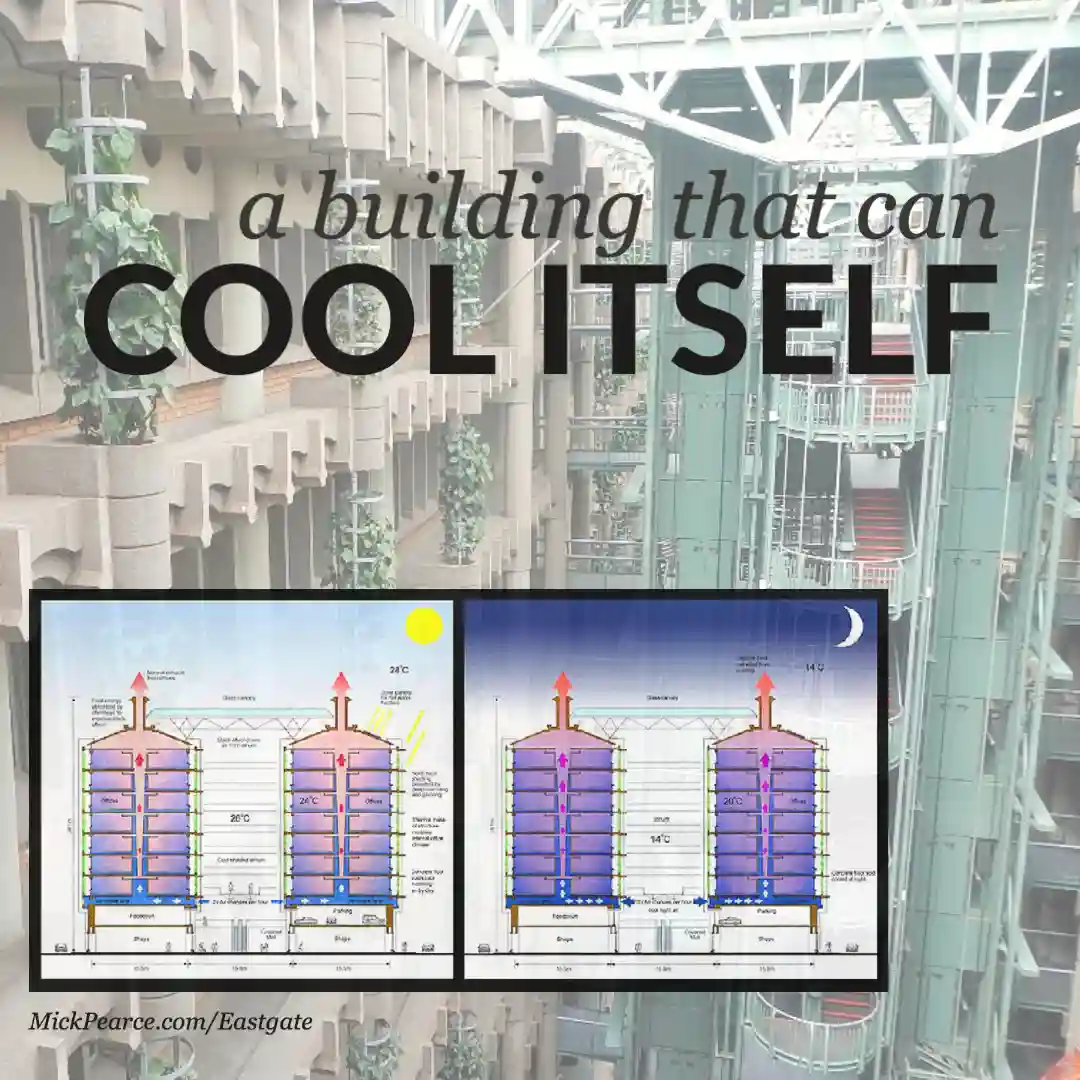
If you have ever noticed them in a thick jungle or just your backyard, termites can create the most elaborate homes to put even some of the silicon valley CEOs to shame. Additionally, these homes are extremely well ventilated and remain effectively cool in some very hot areas in the tropic and subtropic climates.
As the planet heats up, humanity's answer to just put more ACs is proving to be a disastrous solution which is just adding more to the problem and this efficient method of cooling using convection might just be the answer. Engineers in Zimbabwe have built a shopping mall which uses 10% less energy for cooling the building mimicking the termite mounds.
🐜 Inspired by: Termite Mounds
📍 Where: Zimbabwe
🎯 Innovation/function: Ventilation, cooling and heating using convection flow
✏️ Who: Mick Pearce, Eastgate Centre
PS: You can see more biomimicry in architecture examples here.
27. How the gecko’s feet inspired non-toxic glue-less adhesives
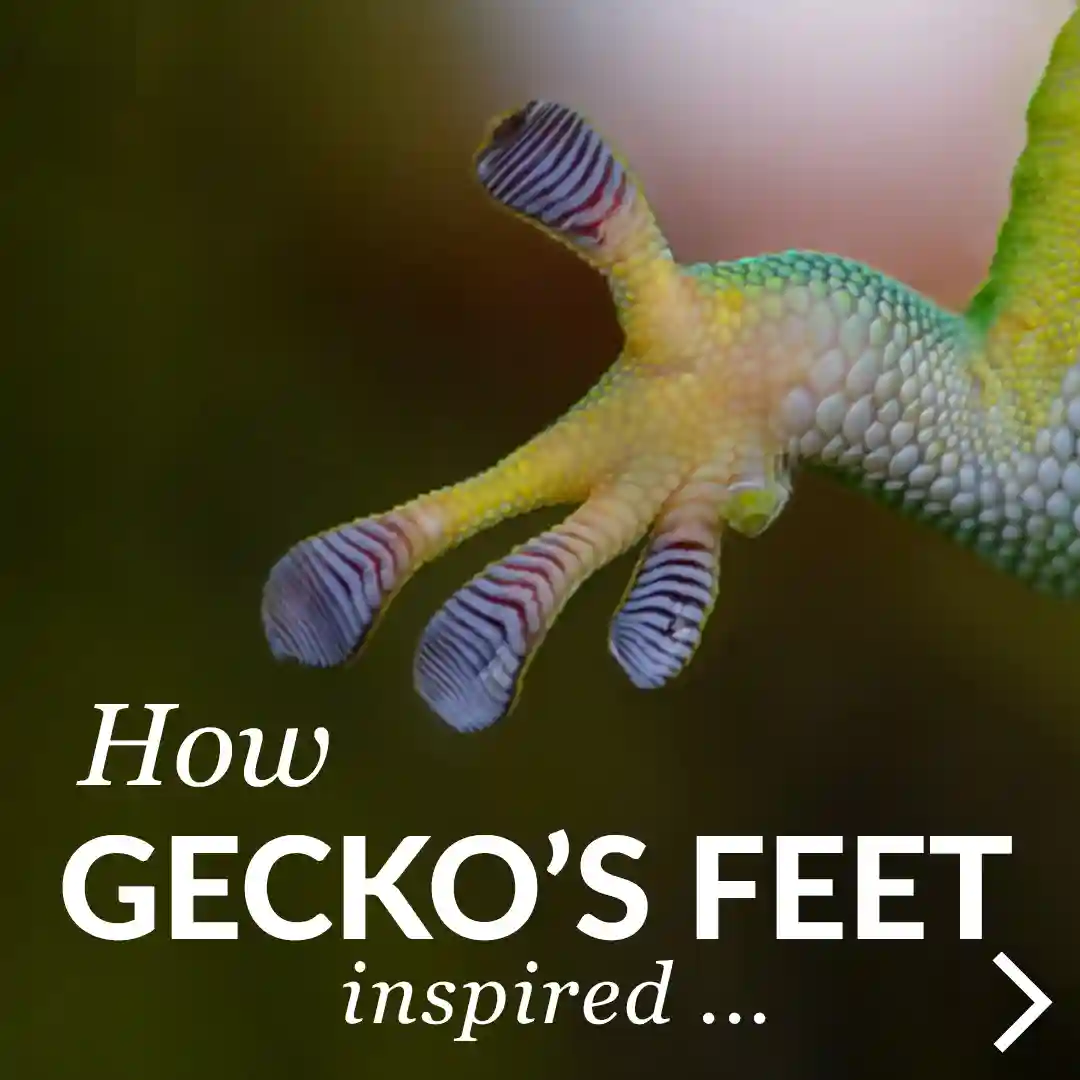

Aaah! How did it get there? Humanity has long pondered the geckos' unique ability to scale basically any surface and even hang up quite comfortably on the ceiling. Scientists at GeckSkin studying the gecko’s feet have identified that they are covered with microscopic hair called Setae which cover its entire feet. These hairs allow the gecko to cling on to surfaces using something called the Van der Waals force.
Usually, these forces are not strong enough to hold things together but the gecko’s hair works in congruence to enable this sticky ability so that they can take the next step without leaving any residue behind. The engineers at UoM designed a synthetic version of the same which can hold up to 700 pounds of weight on an index-card-sized strip.
🦎 Inspired by: Gecko’s feet
📍 Where: USA
🐣 Innovation/function: Glue-less adhesive that is non-toxic and very strong
✏️ Who: Geckskin
28. How coral organisms inspired innovative carbon sequestering
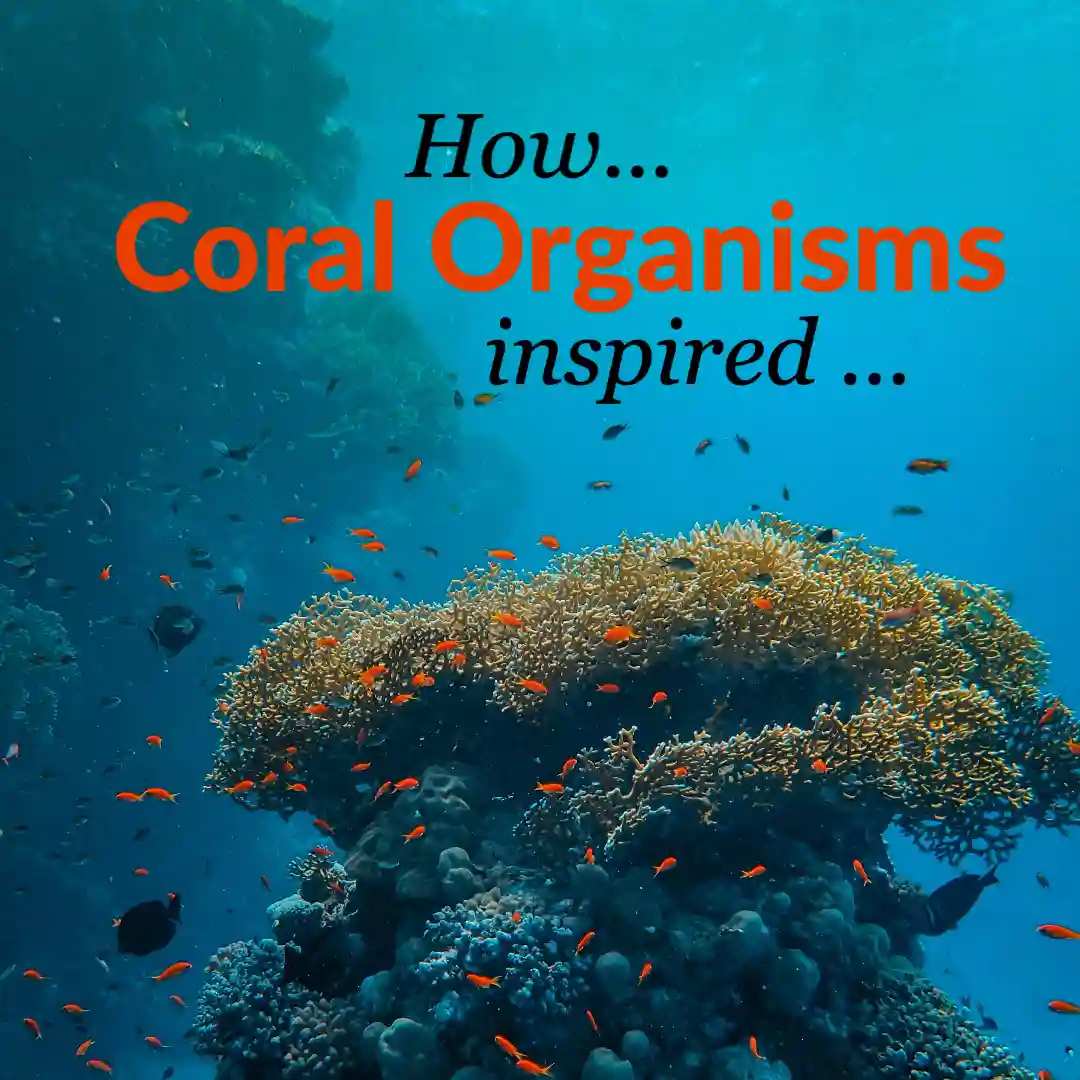
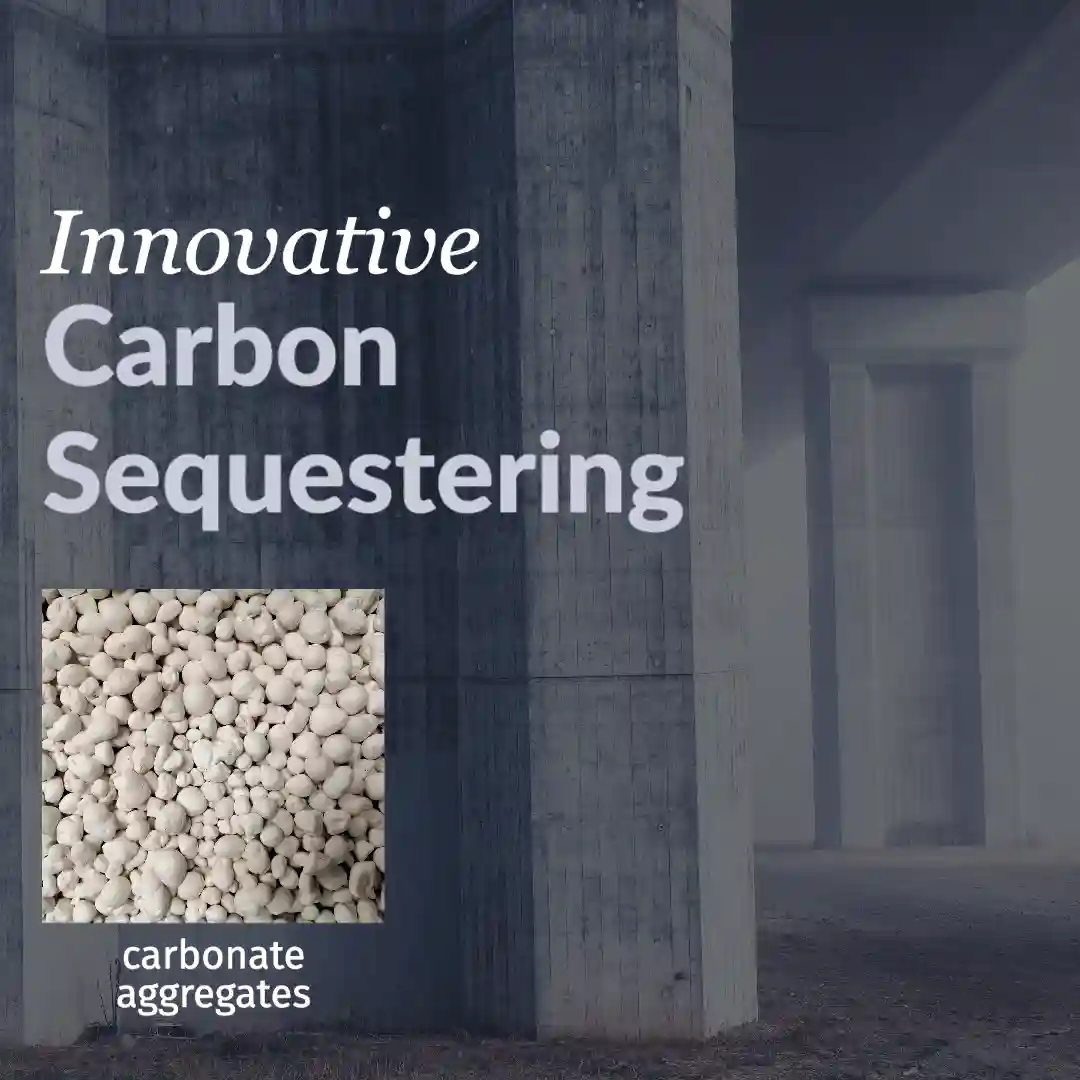
The cement industry is responsible for 8% of global CO2 emissions. 60% of these emissions are formed during the process of calcination when mostly limestone is mined from queries and treated. Corals in the sea however have been forming very strong and stable materials by actually using CO2 present in water and forming metal carbonates. Scientists at Blue planet have figured out a way to make carbonate aggregates mimicking the corals without having to purify the CO2 from the air. This eliminates the high energy consumed to separate the CO2 from the air and gives a carbon negative byproduct which can be used by the cement industry.
🐠 Inspired by: Coral Organisms
📍 Where: California, USA
🎯 Innovation / Function: Energy-efficient carbon sequestering and useful byproduct
✏️ Who: Blue Planet Systems
29. How the baffle function of leaves inspired seedling protection
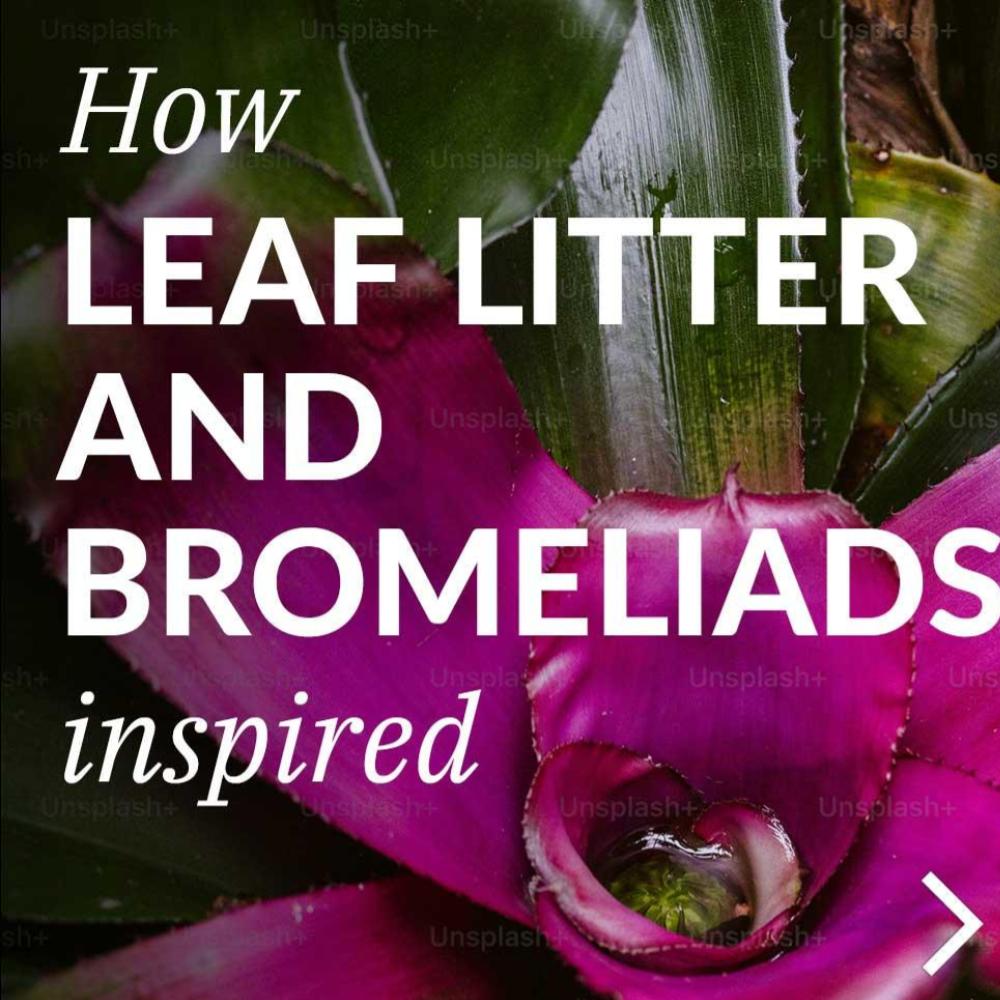
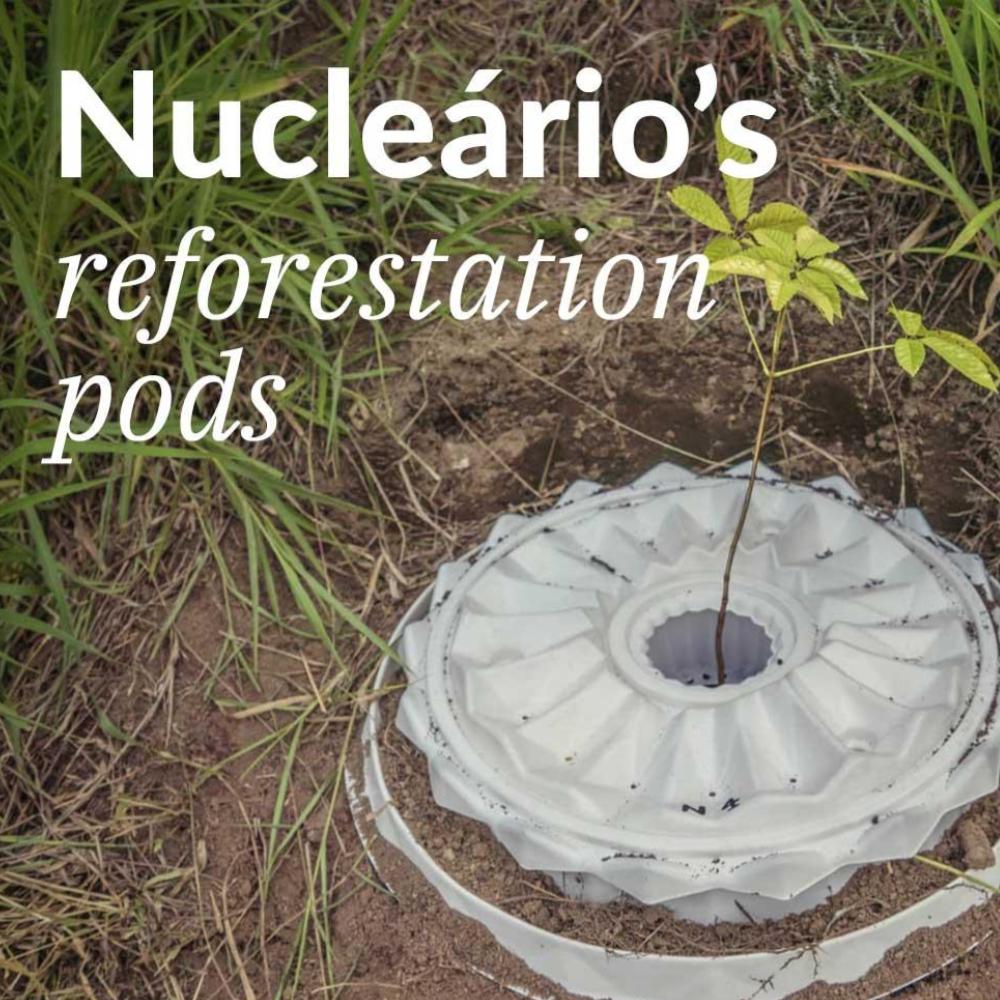
In the harsh world of plants, a sapling’s biggest enemies are thirst and competing weeds. Nucleário mimics the "baffle" function of forest floor leaves and the water-collecting geometry of bromeliads. Nucleário's devices protects seedlings from leaf-cutter ants, suppresses weeds, and harvests dew to keep the soil moist – aiding reforestation efforts to take effect faster.
🪲 Inspired by: Leaf litter and bromeliads
📍 Where: Brazil
🎯 Innovation / Function: Structure creates protection from biotic and abiotic threats, for seedlings.
✏️ Who: Nucleário
30. How haemoglobin inspired tuneable molecular catalysts
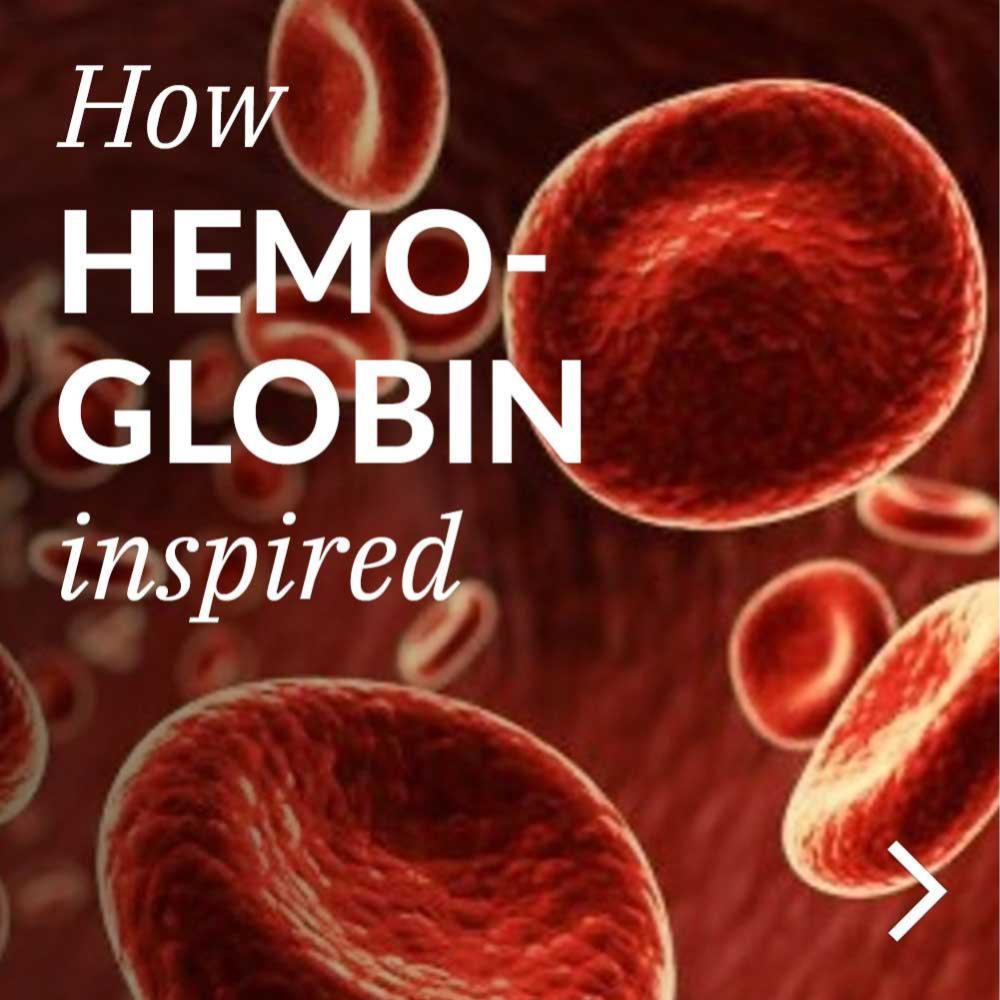
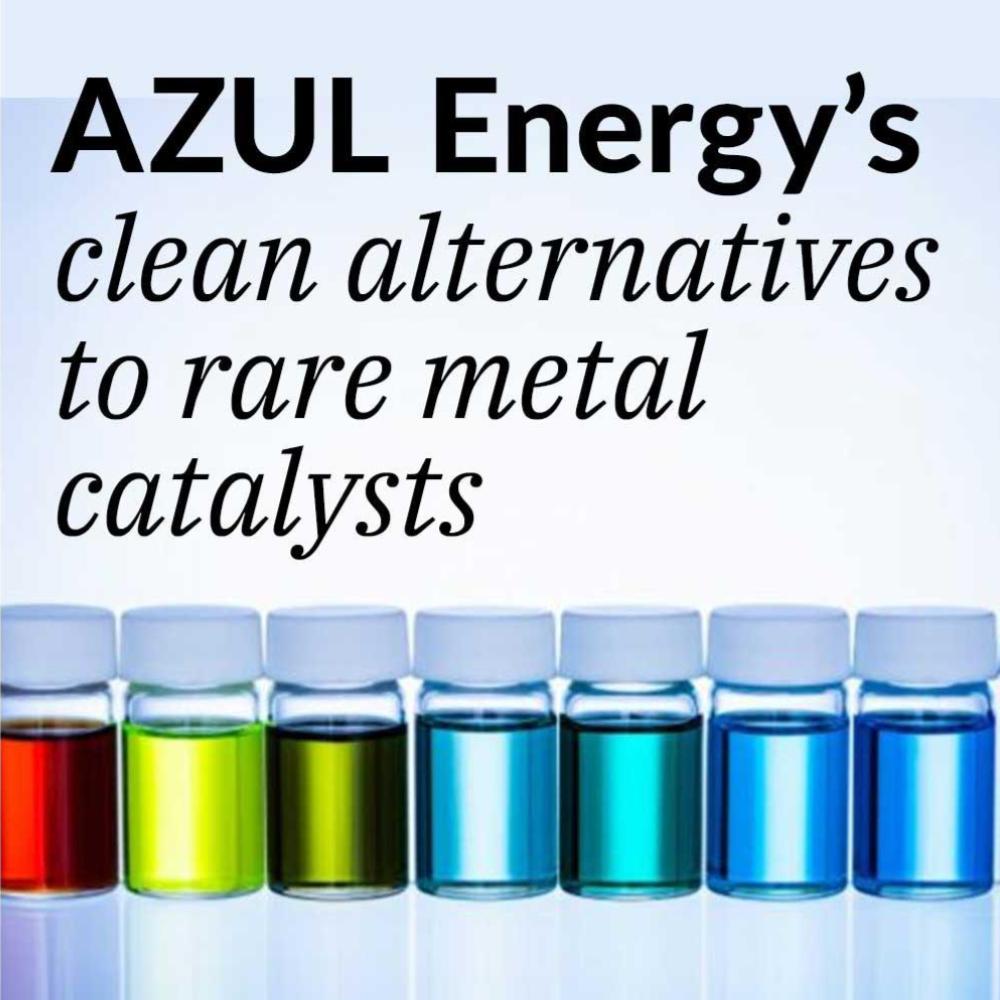
We usually think of hemoglobin as the oxygen-carrier in our blood, but its molecular structure is a masterclass in efficiency. AZUL Energy mimics these metal-nitrogen-carbon complexes to create high-performance catalysts for fuel cells. By swapping expensive, rare precious metals like platinum for these nature-inspired molecular designs, they are making the transition to clean, hydrogen-based energy much more affordable.
🪲 Inspired by: Haemoglobin's ability to transport molecules
📍 Where: Japan
🎯 Innovation / Function: Developed high-performance fuel cell catalysts by mimicking the metal-nitrogen-carbon molecular structure of hemoglobin.
✏️ Who: Azul Energy
31. How school of fish inspired more efficient & space-saving wind farms
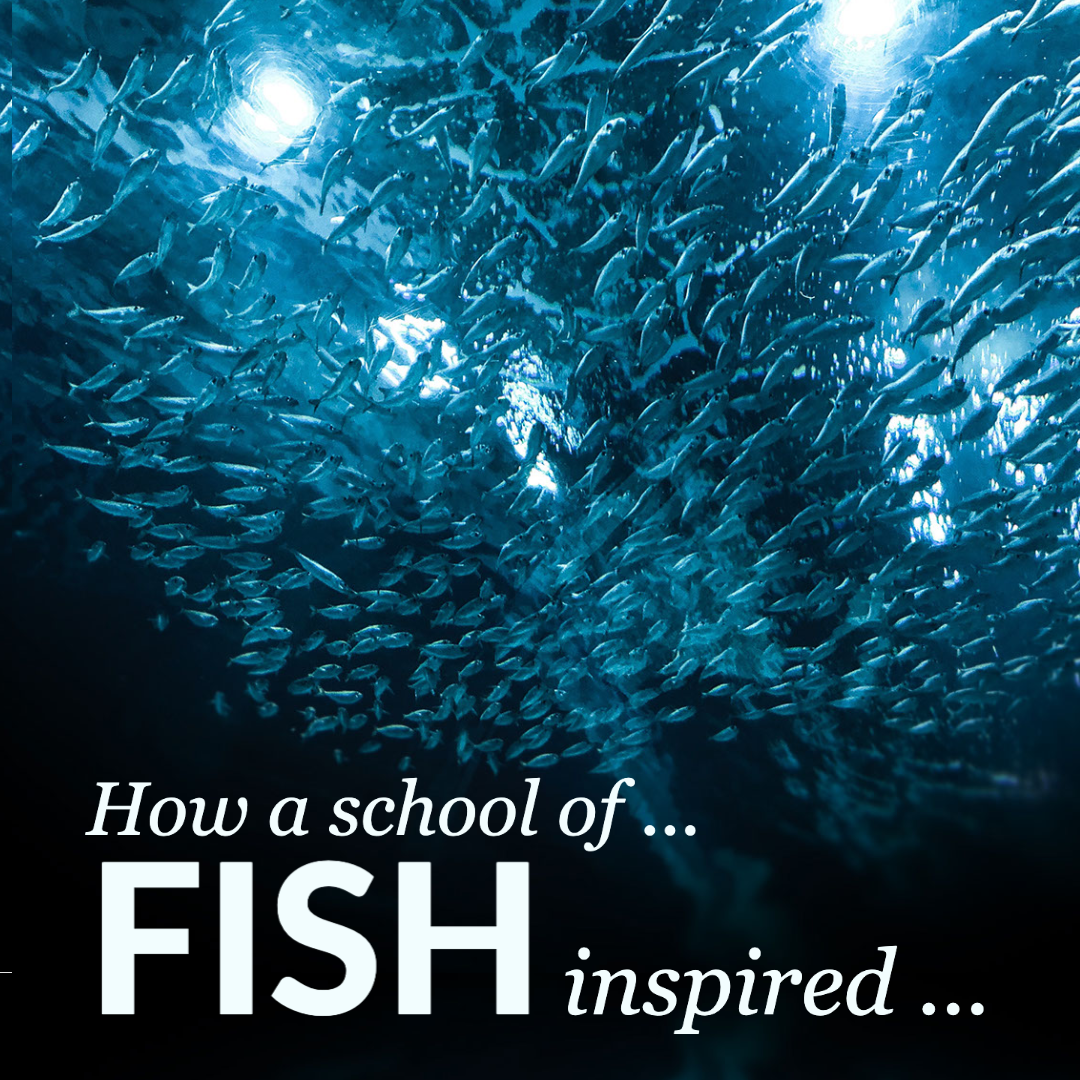
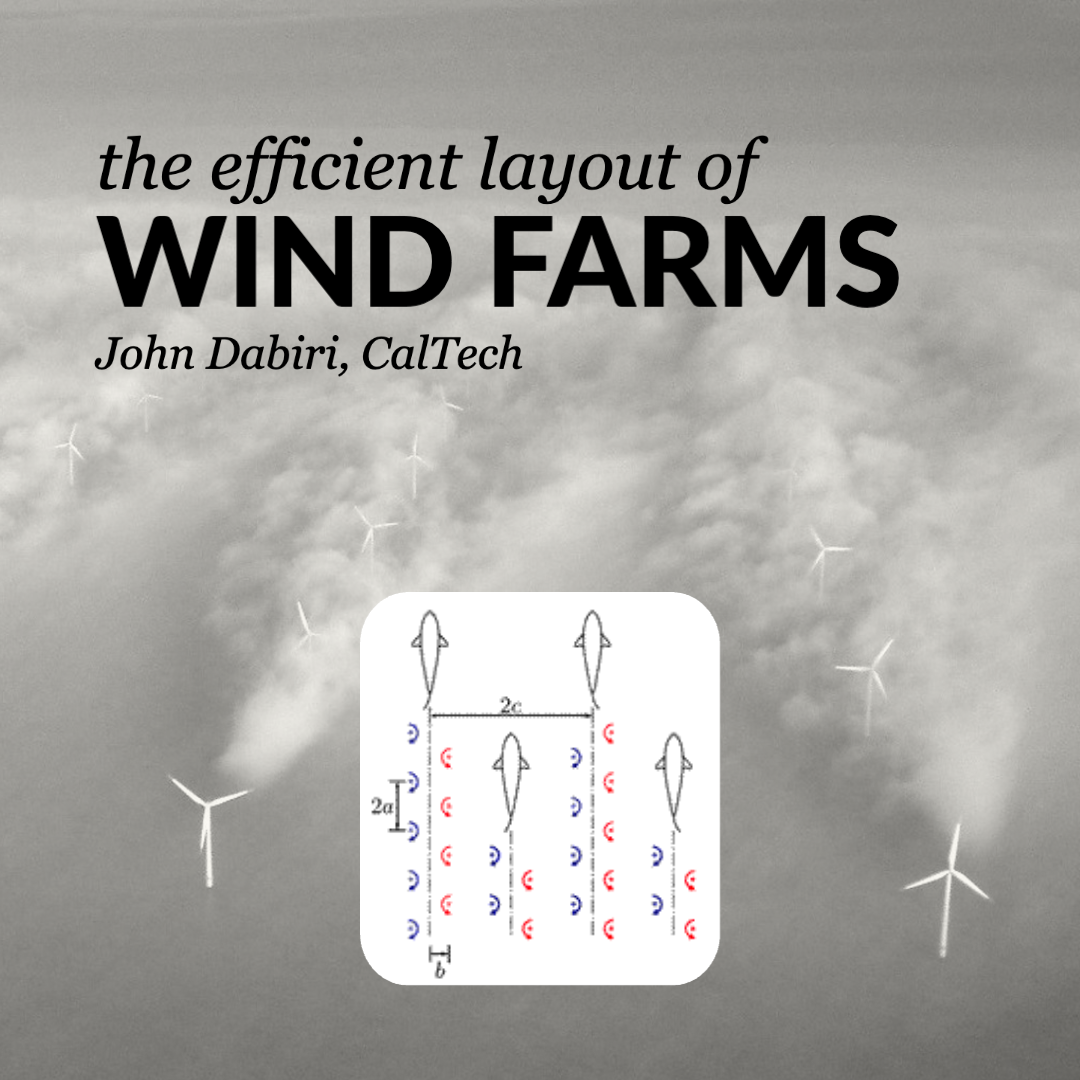
Traditionally, wind turbines have to be placed far apart as they can disrupt each other’s wind flow and reduce the overall efficiency of the farm. Scientists, while examining schools of fish, observed that they swim very close to each other without disturbing the water around them.
Hence, vertical axis wind turbines were born which when placed tightly and at particular angles with each other actually help in increasing the other’s efficiency. This uses the same principles that the fish use to propel themselves forward using the water vortices created by the fish around them. This will help us in deriving more power from a small area.
🪲 Inspired by: School of fish
📍 Where: USA
🎯 Innovation/function: More efficient and space-saving wind farms
✏️ Who: John Dabiri, CalTech
32. How the maple seed inspired more efficient wind turbines
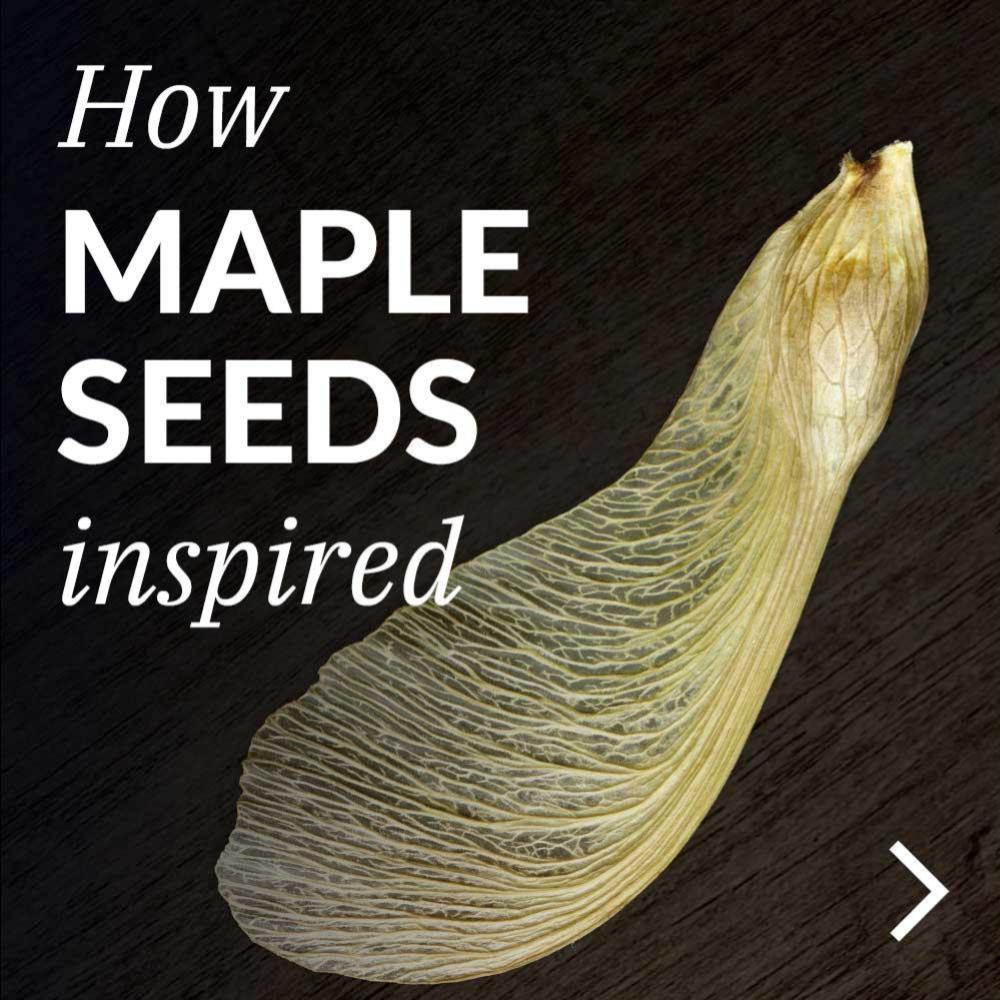
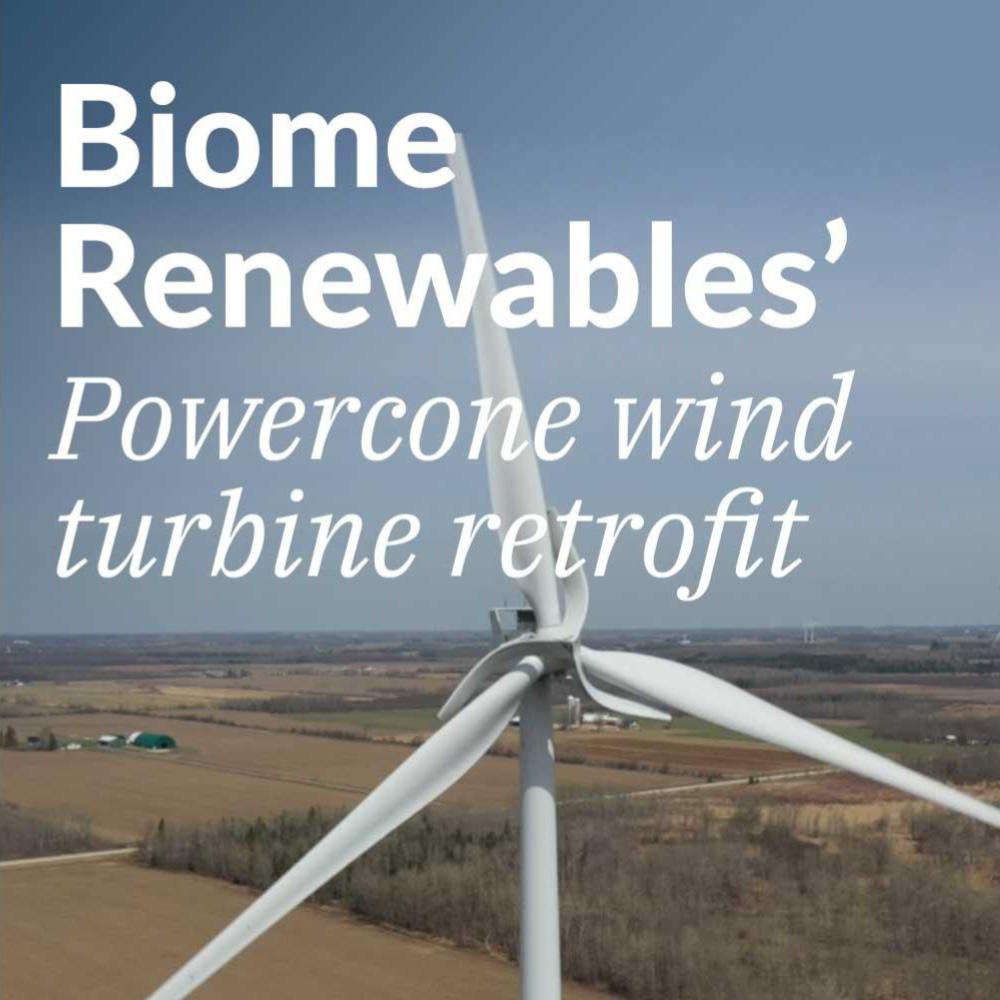
The "whirlybird" flight of a falling maple seed is more than just a playground trick; it’s a lesson in aerodynamics. Biome Renewables analyzed this unique rotation to create the PowerCone—a aerodynamic retrofit for wind turbines. By mimicking the way the seed handles air, the cone reduces drag and captures more wind at the hub, significantly boosting energy output.
🪲 Inspired by: Maple seed pod, flight
📍 Where: Toronto, Ontario, Canada
🎯 Innovation / Function: Direct select wind flows to prevent turbulence
✏️ Who: Biome Renewables
Free eBook
A Field Guide to Biomimicry
10 years to build, 10 minutes to read. Gain the skills to apply biomimicry to your business, projects and daily life.
Get the free eBook →........................................................................................................................................................................
Did you know? Nature is the inspiration, but not the solution. We learn FROM nature to discover strategies and mechanisms for design.
Read about this process (and so much more) in your own time, through out Biomimicry Short Course handbooks.
........................................................................................................................................................................
33. How slug slime inspired sticky surgical adhesives
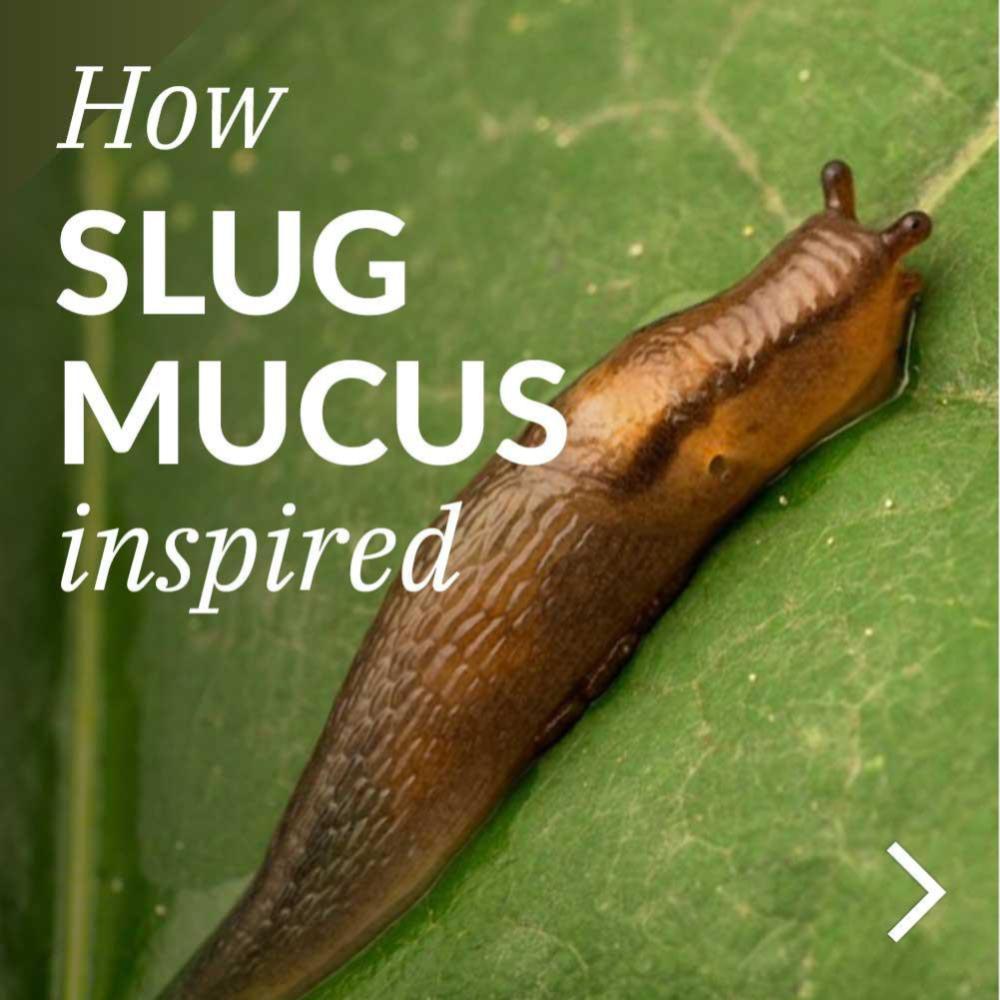

The common garden slug has a minor super power. It can glue itself to wet surfaces and also be flexible enough to maneuver itself as we have all seen it do. As it turns out, the slime generated by these innocuous slugs is not only super sticky but also very strong.
Meanwhile in the medical world, doctors and scientists were also in search of a surgical adhesive that could repair a critical and delicate organ such as our heart better than stitches and staples, when they came across this ingenious solution that already existed in nature. When the slug is scared, it secretes a mucus in its defense which is so strong that birds and other predators can’t pull this slug off of leaves, even wet leaves.
This inspired the scientists at Harvard’s Wyss Institute to create a similar double-layered hydrogel surgical adhesive that has been successfully tested on bloody pig hearts and other animal parts. So next time we see these trailblazers, we should thank them for their medical service.
🪲 Inspired by: Slug slime
📍 Where: Boston, MA, USA
🎯 Innovation / Function: adhere to wet surfaces, biodegrade over time
✏️ Who: Limax Biosciences (spun out of Hansjörg Wyss Institute for Biologically Inspired Engineering at Harvard University)
34. How the octopus-inspired soft robots
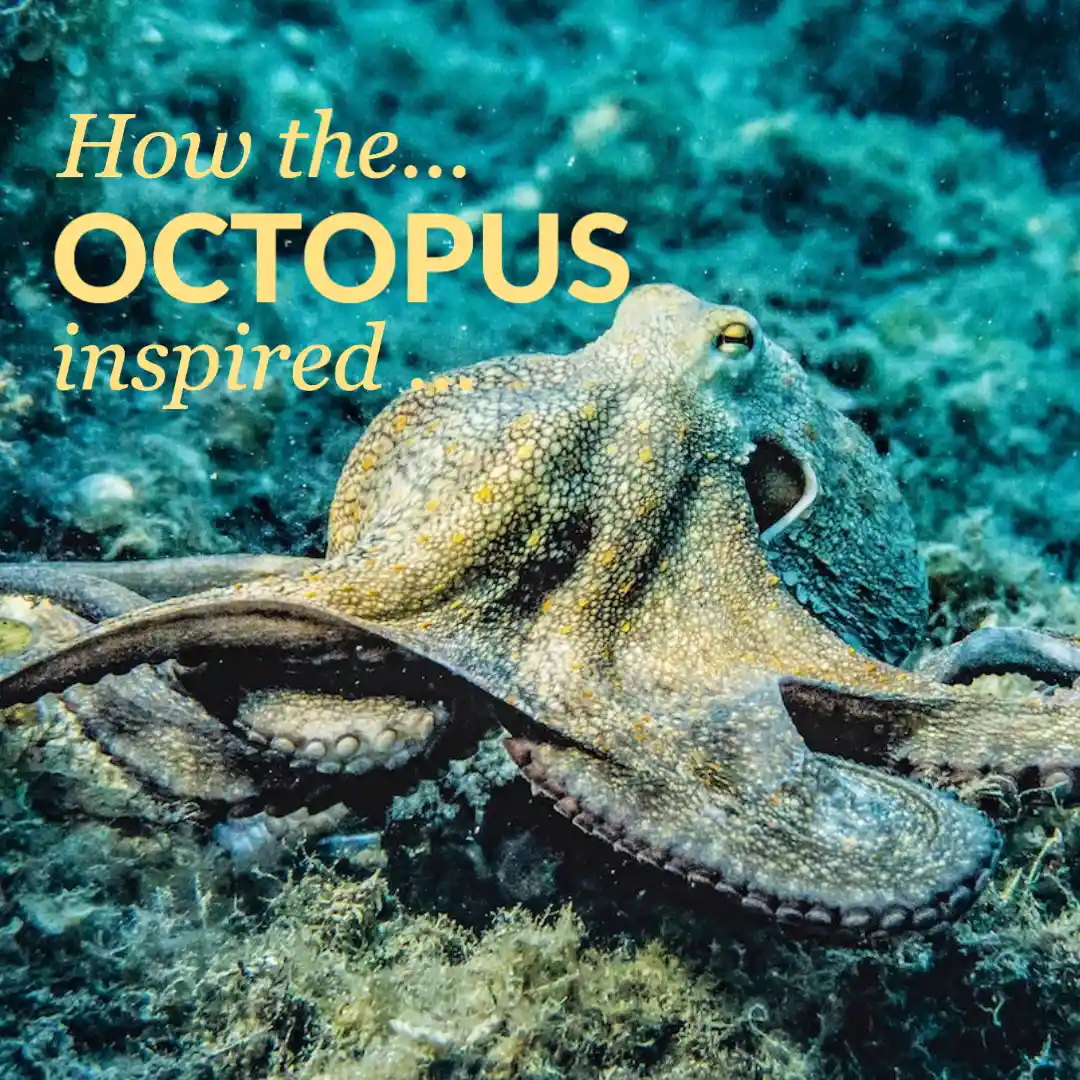
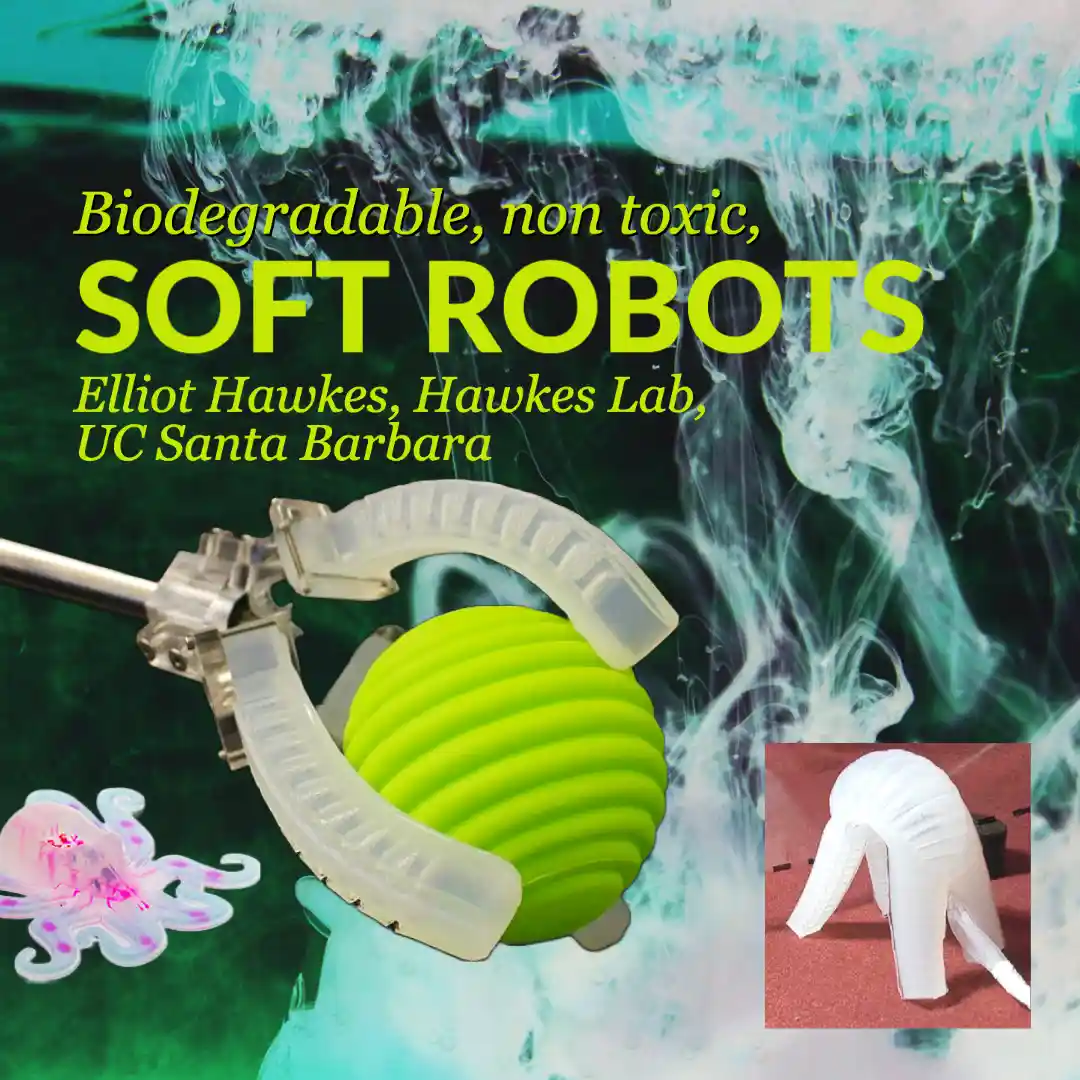
The traditional robots with rigid joints and actuators are very good at performing very specific tasks but mostly fail to adapt to changing or opposing environments. This led scientists to the cunning octopus. This creature is incredibly intelligent no doubt but most of its skills comes from its body and its maneuverability so much so that it can perform very distinct and unrelated tasks.
This is aided by its tentacles that can form hands, legs, shields and harpoons. It can even unscrew a jar with its tentacles. Mimicking this nonrigid versatile shape and using compliant mechanisms, controlling pressure and adding sensors, the researchers at Hawkes Lab at UC Santa Barbara have created soft robots which might even save your life one day.
🐙 Inspired by: Octopus tentacles
📍 Where: USA
🎯 Innovation/function: Biodegradable, non-toxic, better-performing material made from industrial waste
✏️ Who: Elliot Hawkes, Hawkes Lab, UC Santa Barbara
35. How the human retina inspired event-based vision
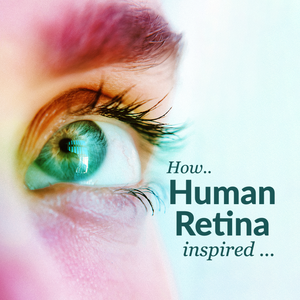
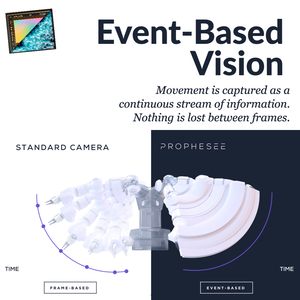
Eyes have evolved independently countless times in nature and the human eye is one of our most developed organs. It is used to understand, to react and make decisions based on any changes observed in the environment. Conventional video technology used by us generates video by sequencing image after image at fixed points.
This leads to data storage and redundancy problems for applications which only require trigger data. Metavision by Prophesee mimics the retina of the eye and has developed pixels which are asynchronous and independent and only react if there are changes in the scene. This technology has a lot of applications in food processing industries and also to capture any unusual motion in machines which can help in early fault detection as these cameras are more sensitive to motion than our own eyes.
🪲 Inspired by: Human eye retina
📍 Where: Paris, France
🎯 Innovation / Function: Event-based vision
✏️ Who: Prophesee
36. How forests inspired a chemical-free water filtration system

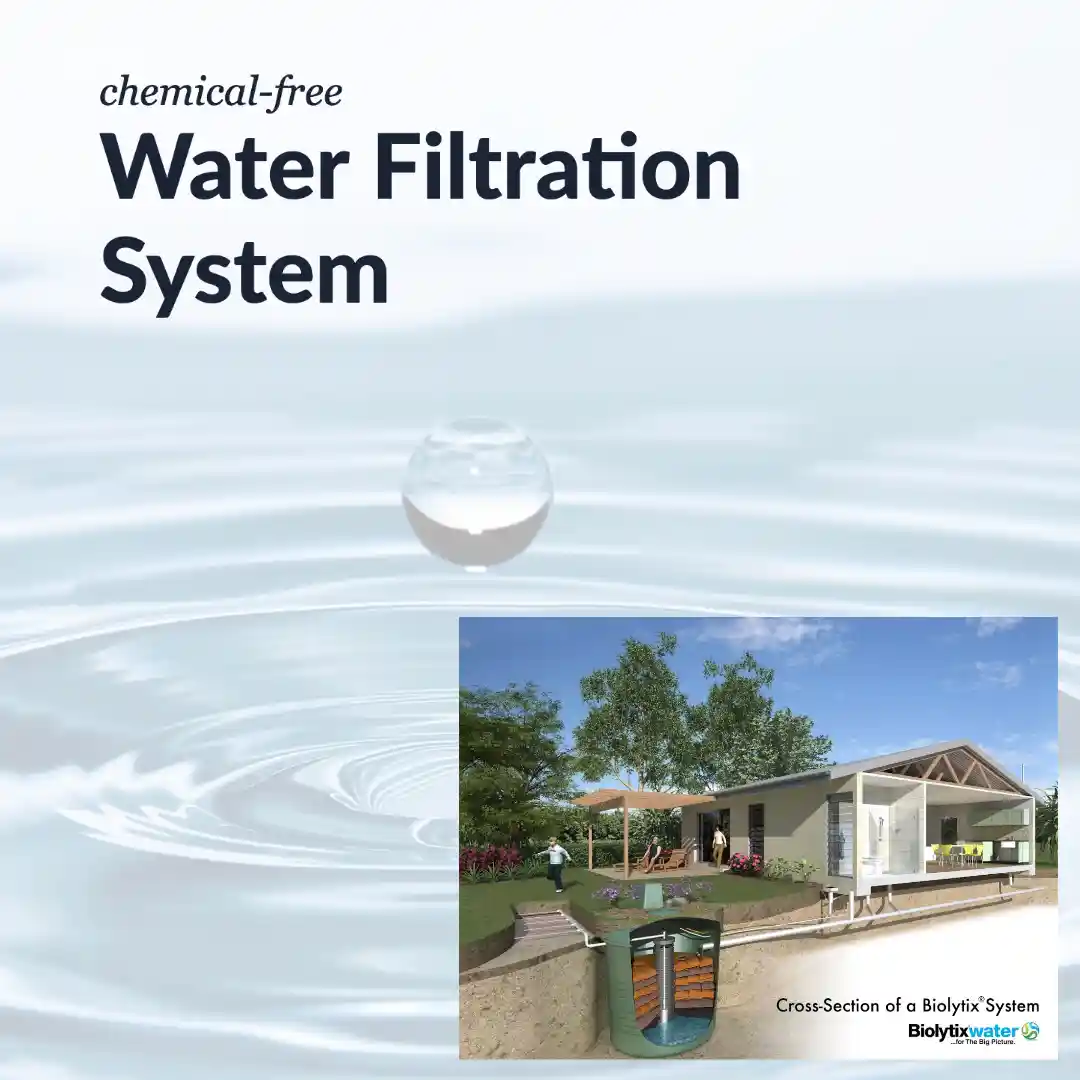
Forest ecosystems are a well oiled machine. Resources here are so abundant that various organisms have carved out a niche for themselves like some biodegradation specialists.
Such organisms are in demand because, of all things, there is one thing we humans are really good at: producing waste. The people at Biolytix are taking naturally adaptive organisms that are good at waste biodegradation in forests and importing them into our sewage and wastewater networks to clean them. On top of that, they are also providing ways to use the cleaned water to irrigate plants alongside finding other secondary uses for the same.
🪲 Inspired by: Forest decomposer organisms
📍 Where: Auckland, New Zealand
🎯 Innovation / Function: Energy efficient wastewater management
✏️ Who: Biolytix
37. How spider webs inspired a bird protection glass
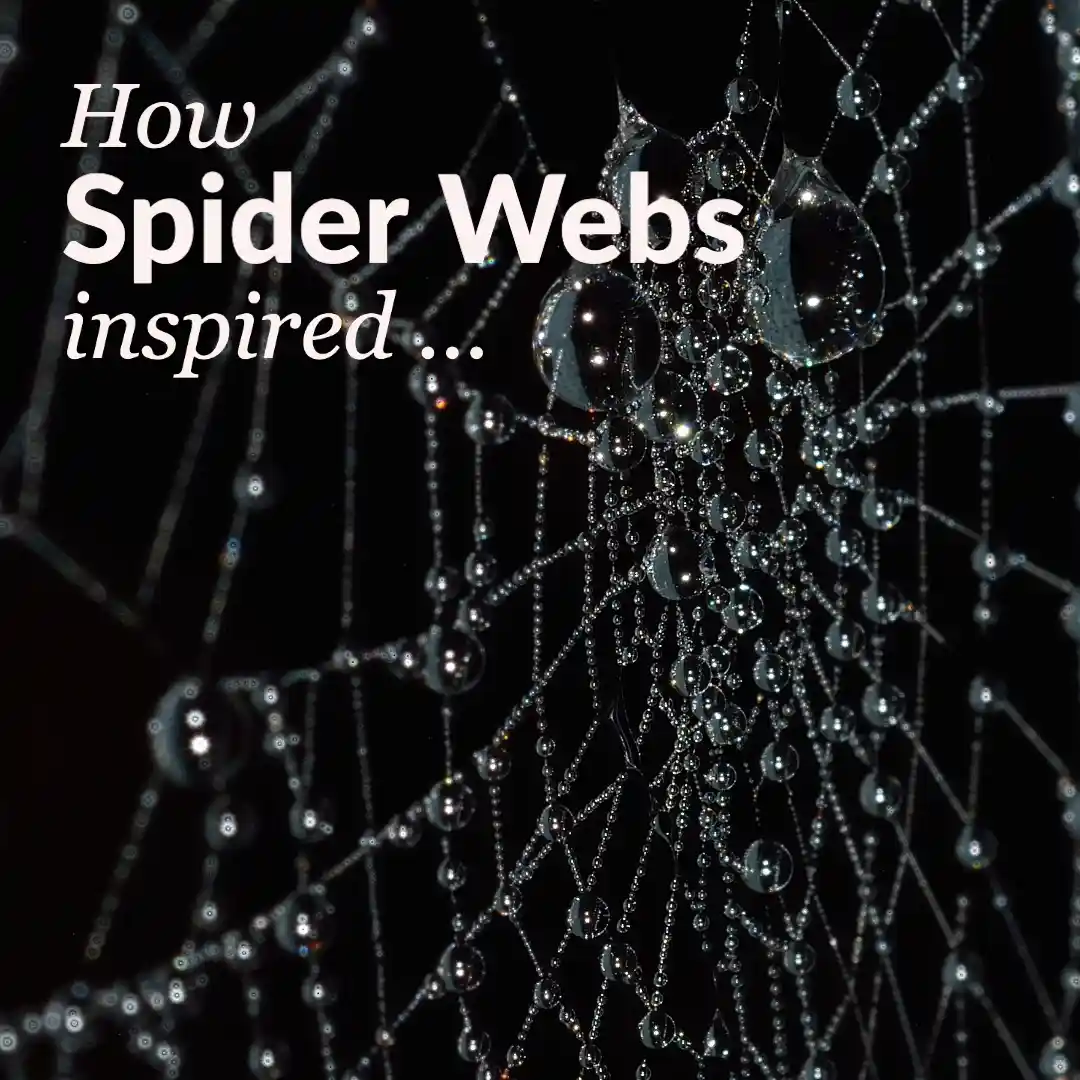
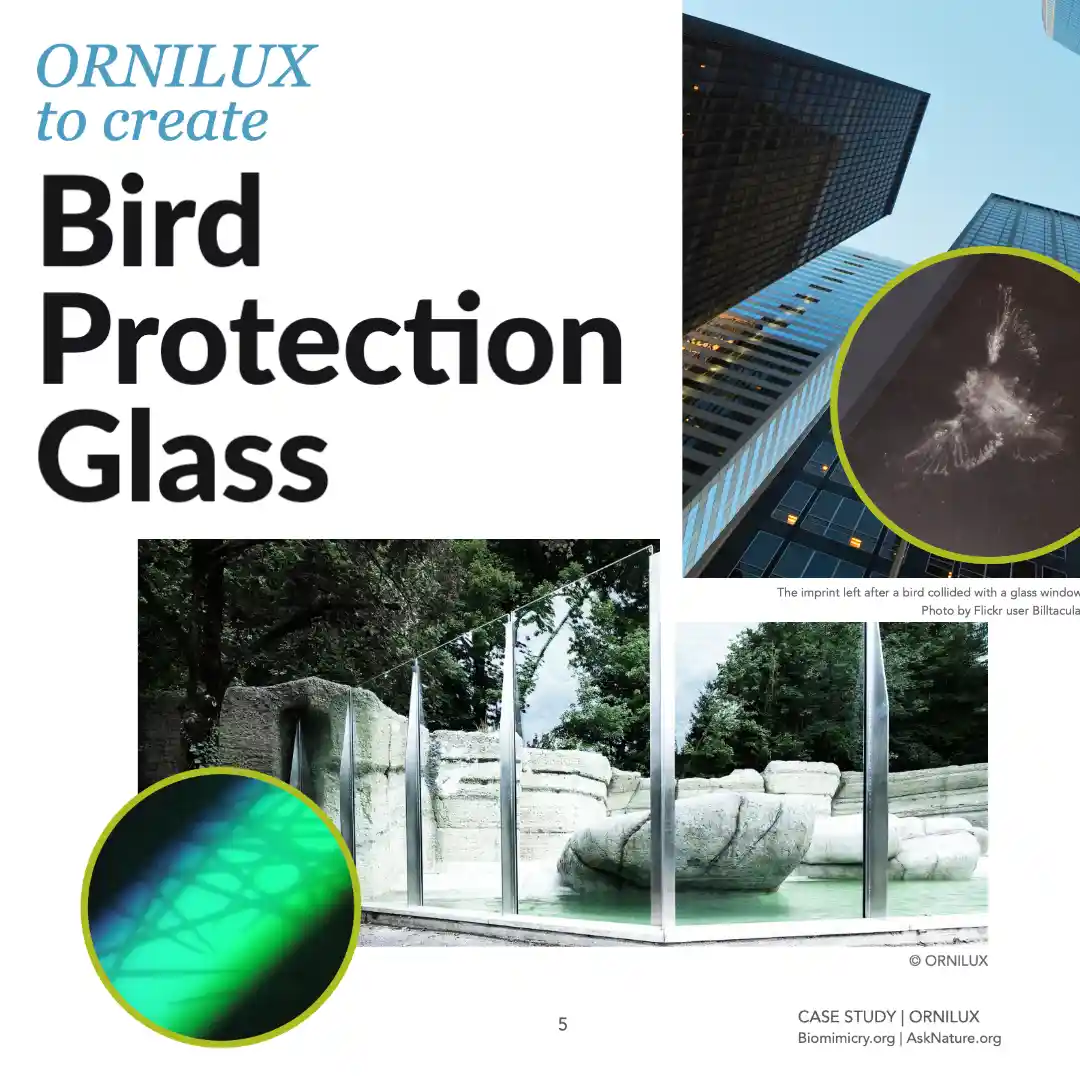
Humans invented glass at least 5000 years ago. It is durable, luxurious and some argue is one of our most important innovations. We also like that it is transparent as it allows complete transparency while still providing a strong barrier against the environment. The transparency part though is proving to be deadly for the hundreds of millions of birds that end up crashing into our buildings and skyscrapers. They just can’t detect them!
People at Arnold Glas wanted a solution for this and it turns out nature has solved this problem over 50 million years ago. Spiders also don’t want birds to collide with their webs as they are too large to be caught in them and hence have incorporated UV-reflective silk strands in their webs. ORNILUX Bird Protection Glass is a glass with a UV-reflective coating which is detected by birds and they neatly fly around it.
🪲 Inspired by: Spider web
📍 Where: Germany
🎯 Innovation / Function: Bird protection glass
✏️ Who: Arnold Glas
38. How photosynthesis inspired chemical reactions using light
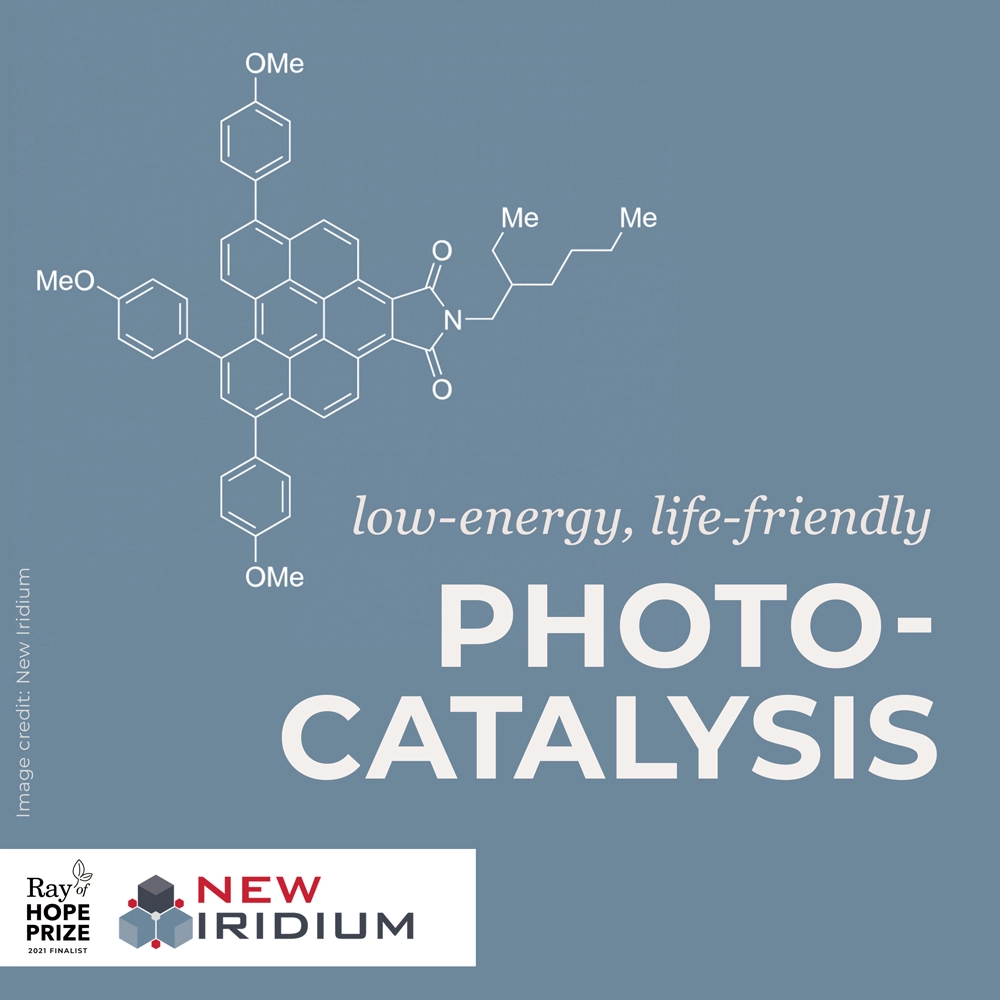
The global chemical industry consumes 25% of the energy used across all manufacturing industries. This is driven by the high temperature and pressure required by mostly used rare earth catalysts like Iridium. Plants and other special organisms also produce energy using sunlight without the need for harmful chemicals and high heat, with a catalyst called chlorophyll.
Mimicking this ability, the team at New Iridium has developed patented light-absorbing chemical compounds which kick start reactions when they are introduced to light. This low-cost, greener process has the ability to significantly reduce the damage of the current chemical industry.
🌈 Inspired by: Photosynthesis
📍 Where: Colorado, USA
🎯 Innovation / Function: chemical catalysts sensitive to light
✏️ Who: New Iridium
39. How the chameleon inspired colour changing 3d prints
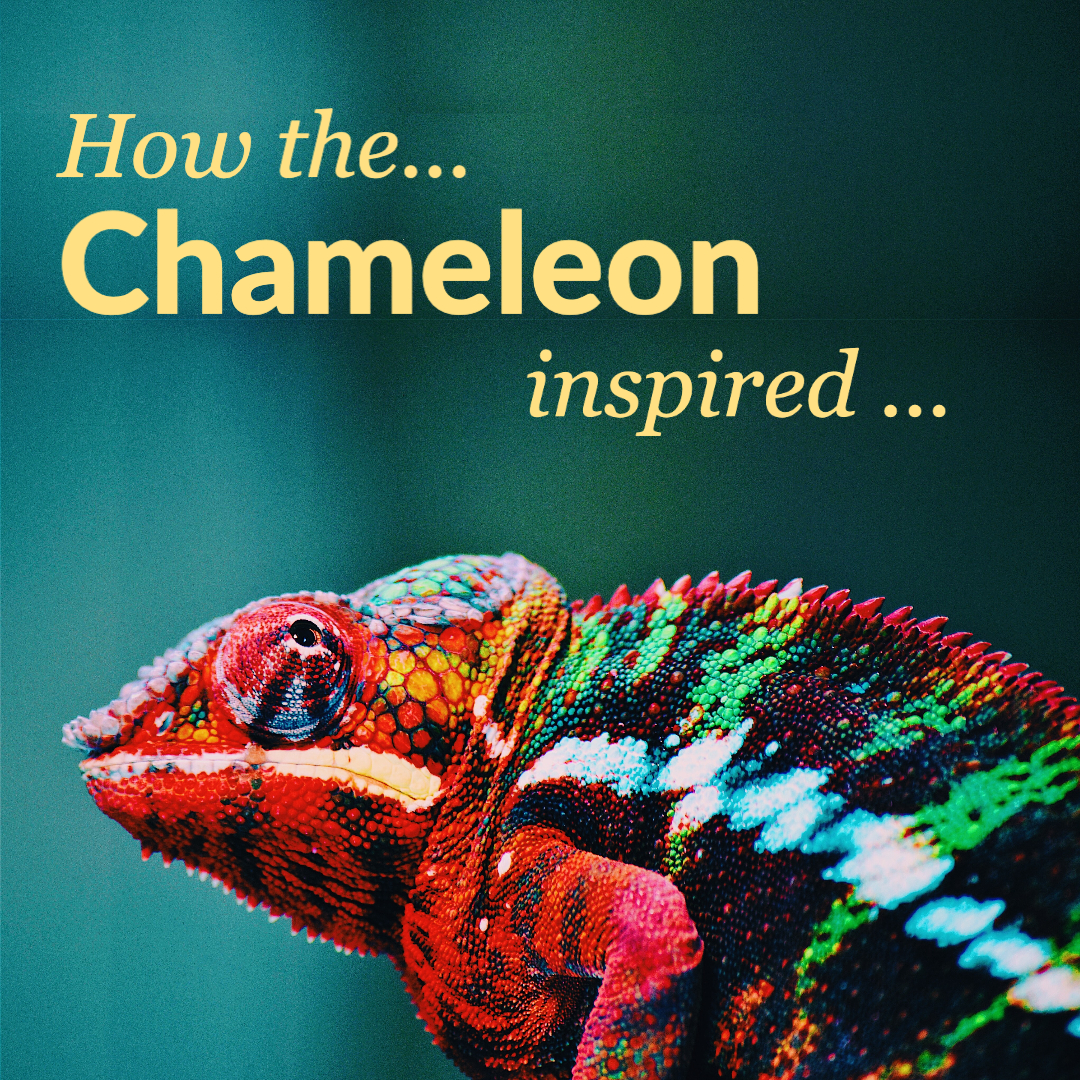
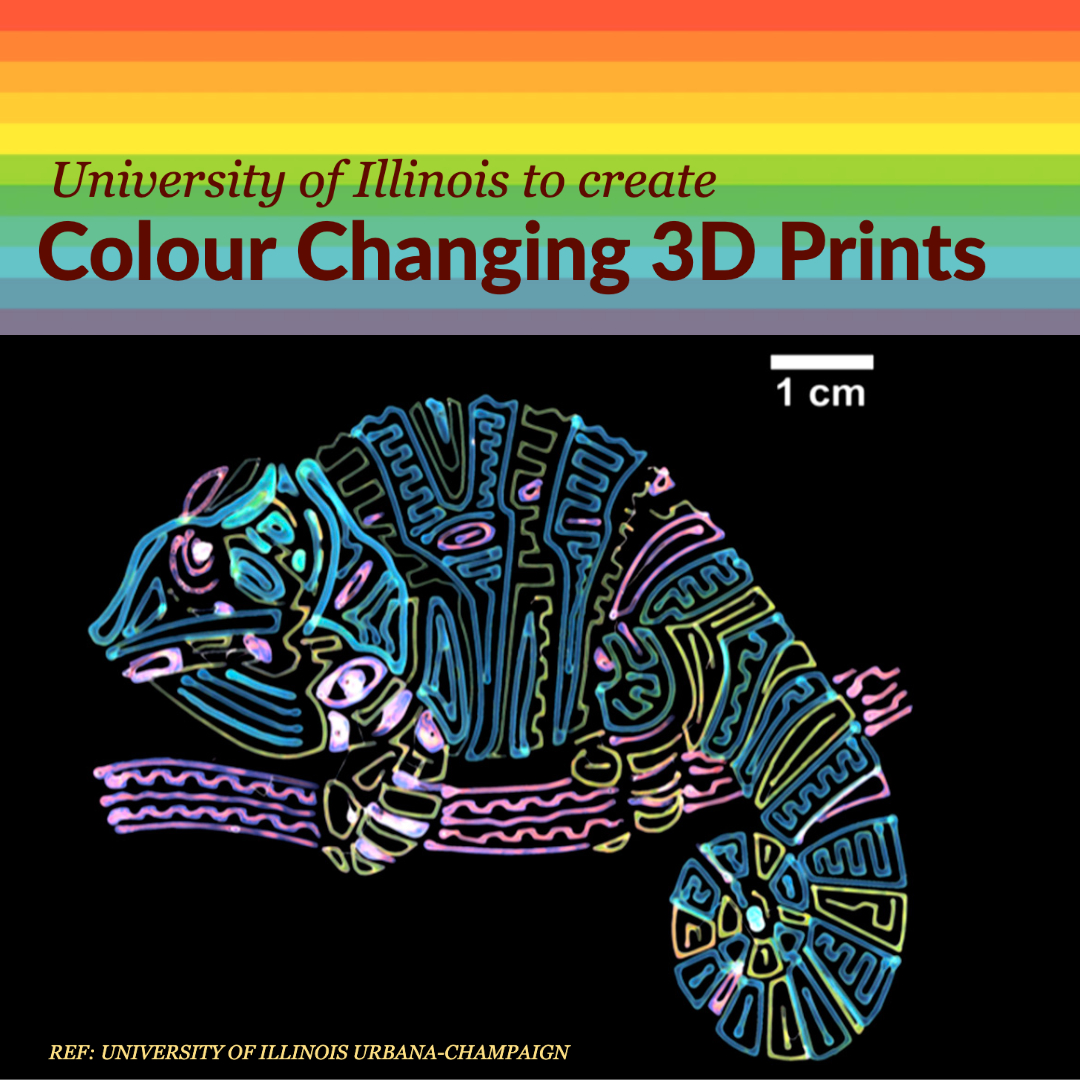
Are you tired of having to change your printer cartridge every time you need to change the color? Is your printer slowing you down? Well then look outside because nature has been doing multicolor additive manufacturing for only the last billion years. Chameleons use a mix of structural and pigment-based methods to dramatically and accurately change colors.
The University of Illinois Urbana-Champaign has designed a printing process which produces crystal structures that reflect different visible lights based on the size and shape of the crystals. They control the size by regulating the temperature and speed at the printing nozzle. This might be the future of 3D printing with printers ready to print various colors from the same filament or input material.
🪲 Inspired by: Chameleon
📍 Where: Illinois, USA
🎯 Innovation / Function: 3D printer that prints different colors in the same cycle
✏️ Who: University of Illinois Urbana-Champaign
40. How dolphins inspired accurate underwater communication

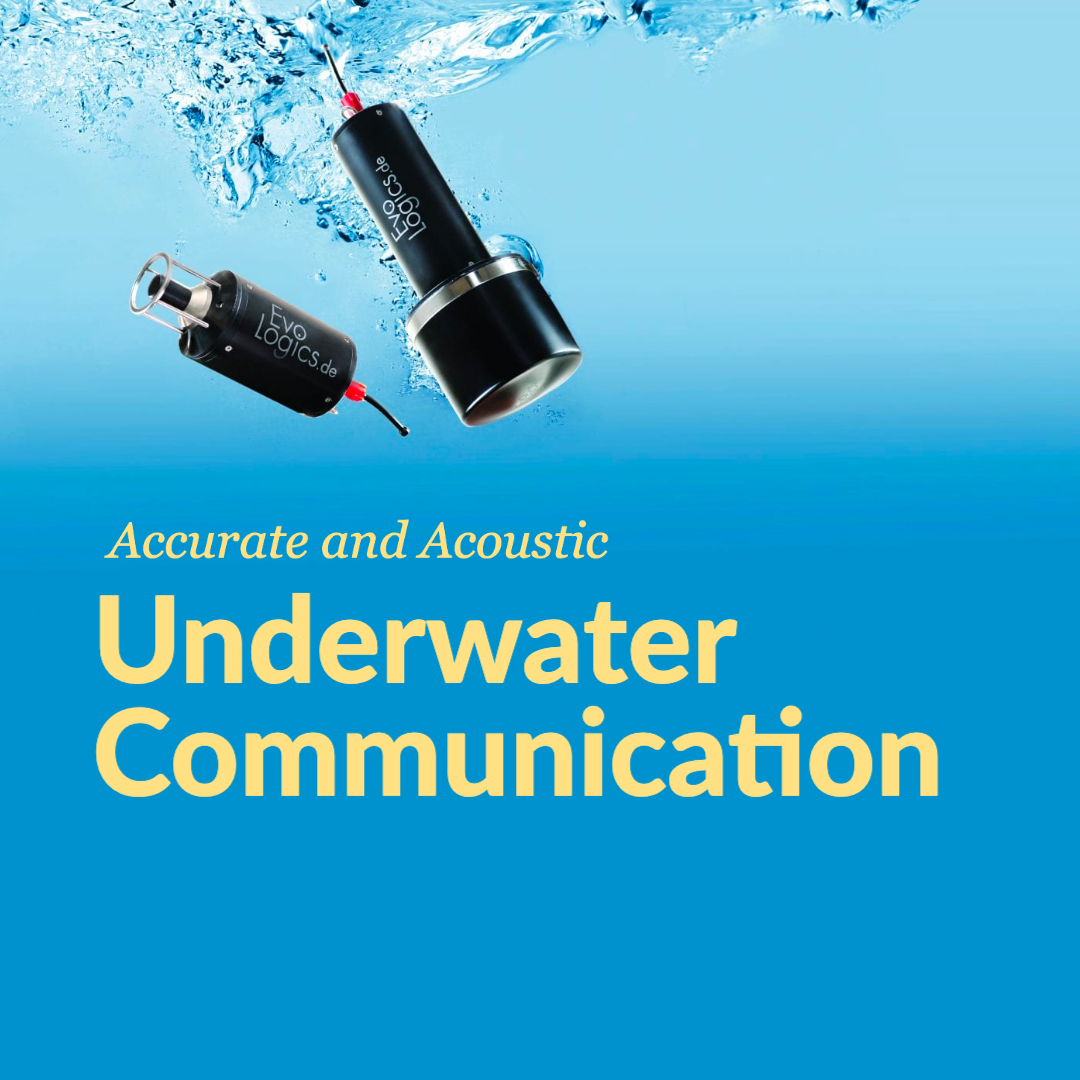
Much of our earth's oceans continue to be unexplored and unmapped. Certain Tsunamis, earthquakes and other catastrophic events are undetected due to the motion, noise, limited bandwidth, and variable delays that severely impact data transmission underwater. Dolphins ,on the other hand seem to communicate complex information just fine! The way they achieve that is by distributing their chirps and songs over a wide frequency band. This greatly negates specific disturbances and provides clarity even through echos. As such, dolphins and other marine life forms provide the key to unlocking our oceans.
🪲 Inspired by: Dolphins
📍 Where: Berlin, Germany
🎯 Innovation / Function: Precision underwater communication
✏️ Who: EvoLogics
41. How the cyphochilus beetle inspired a non-toxic natural white pigment
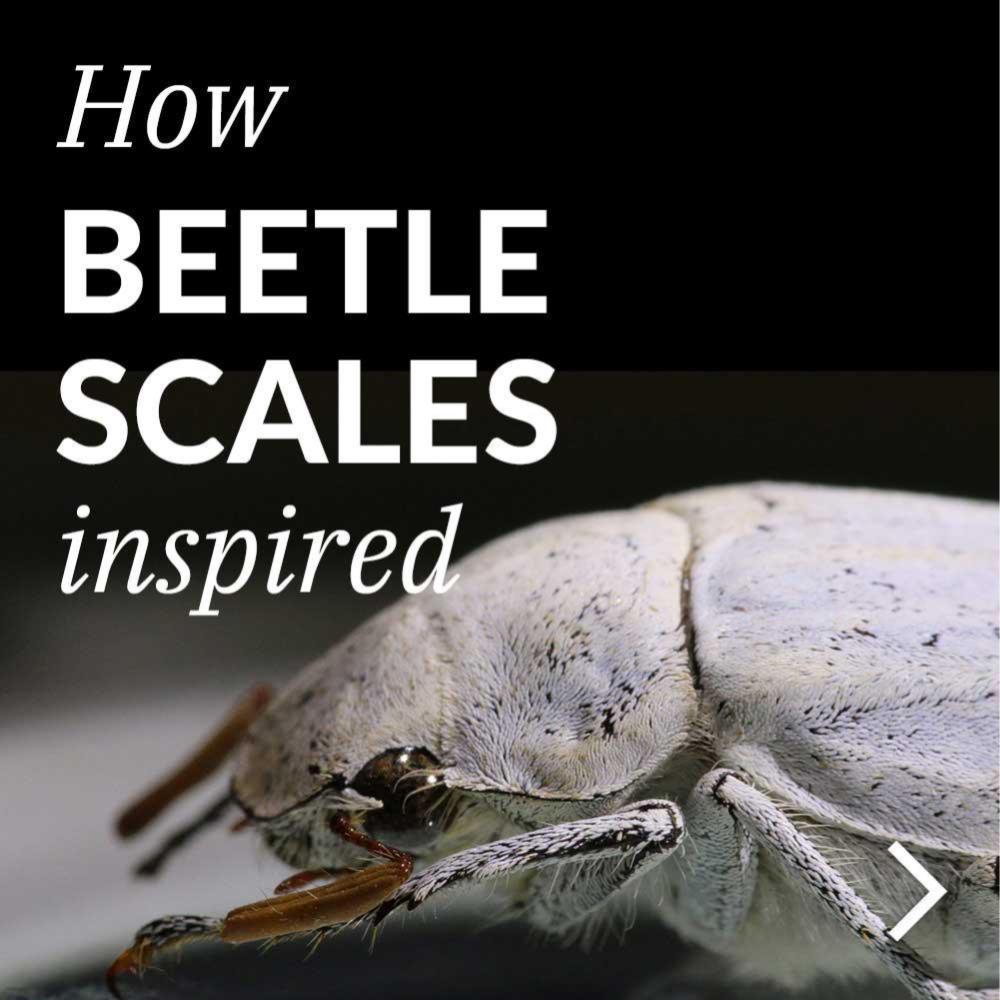
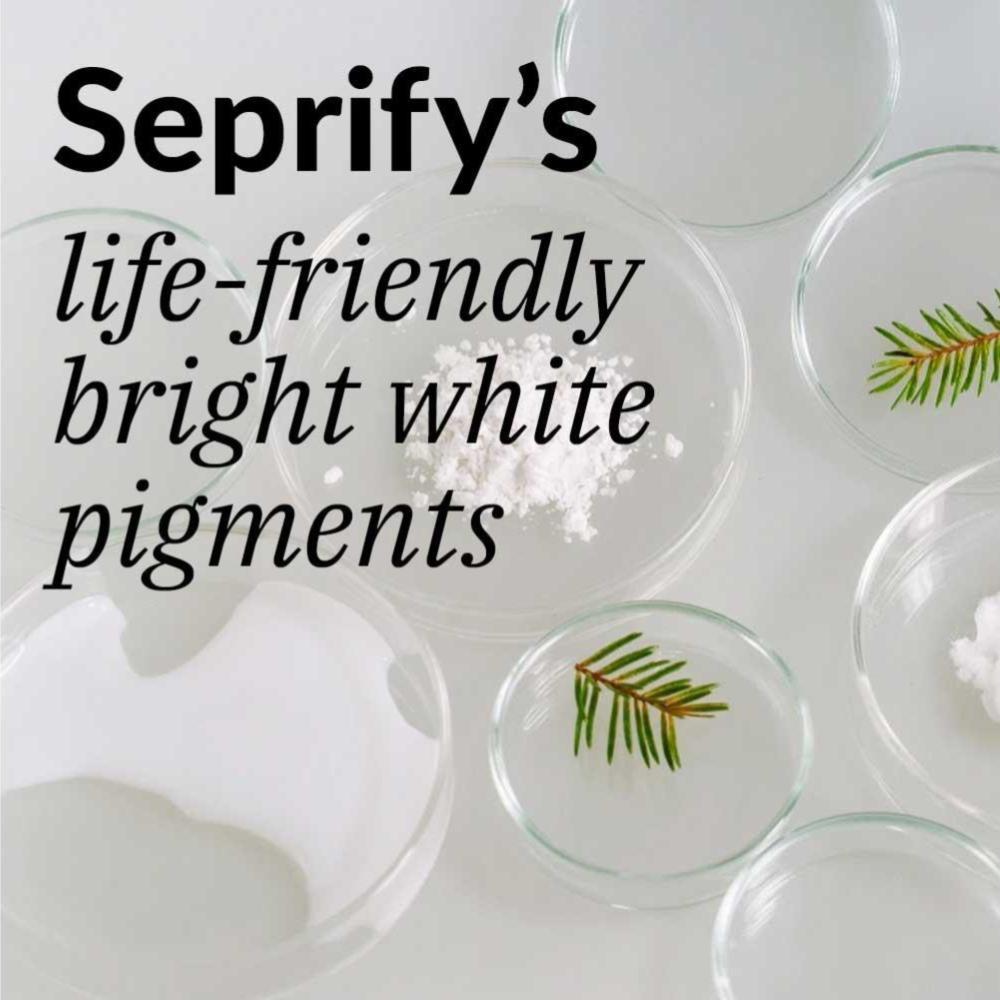
Our industries, it seems, can’t get enough of toxic chemicals and continue to use them even though most can be very fatal to our health. So is the case with paint dyes. Titanium Dioxide (TiO2) is commonly used to produce everyone’s favourite; white colour. We need to stop this deadly trend and just our luck, researchers at Impossible Materials studying the Super-white Cyphochilus beetle have mimicked the nano-structure inside the beetle’s skin which reflects white light and replicated it inside a cellulose molecule chain. Thus creating a better and safer white pigment.
🪲 Inspired by: Cyphochilus beetle
📍 Where: Cambridge, UK
🎯 Innovation / Function: non-toxic natural white pigment
✏️ Who: Impossible Materials (now Seprify)
42. How the mangroves inspired the living seawall
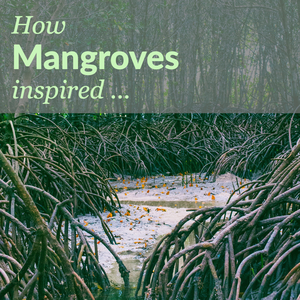
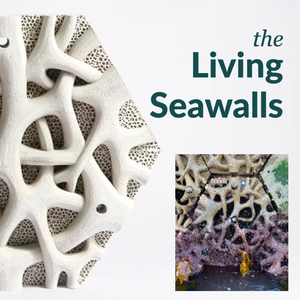
Mangroves are extremely important to the local environment as they create and sustain their own biome supporting innumerable species, helping fight climate change, prevent coral bleaching and they are the only type of tree that can grow in saline water. Unfortunately, over the last 200 years, we have lost 20% of our total mangrove cover [medium]. To counter this problem, Sydney Institute of Marine Science and Reef Design Lab along with Volvo Cars have engineered an ingenious solution by planting over 1000 panels on the seawalls along the Sydney coastline.
The panels are made in such a way that they mimic the roots of the mangroves, which is allowing a lot of important local coral species and crustaceans to find new homes and additionally also reducing the harm caused by seawalls by reducing the speed of the water hitting the walls which in turn decrease the sand erosion along the shores which have shown to be the major cause of coastal natural disasters.
🪲 Inspired by: Mangroves
📍 Where: Sydney, Australia
🎯 Innovation / Function: Artificial structures for coral restoration
✏️ Who: Sydney Institute of Marine Science and Reef Design Lab and Volvo cars
........................................................................................................................................................................
If biomimicry feels confusing or overwhelming, we're here to help you make sense of it all.
Download our "Field Guide to Biomimicry" eBook, and in 10 minutes you'll know enough to get started.

........................................................................................................................................................................
43. How slime mold inspired innovative industrial CAD design tool
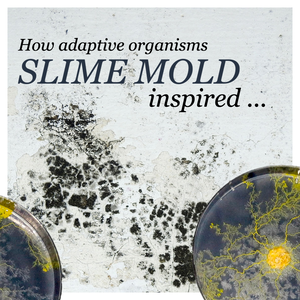

Where nature excels the most is local sourcing and efficient use of materials. From human skeletons to bird skulls to the slime mold growth. Efficiency is the name of the game. With its R&D and expert additive manufacturing skills, natural designs seemed too intricate, complex and impossible to replicate, until now.
Recent developments in 3D printing allows us to primitively mimic nature’s craftsmanship and now Autodesk has developed Project Dreamcatcher, which looks to take advantage of nature’s R&D and allows users to generate thousands of generative design solutions that meet a variety of constraints as in the real world. This can lead to less wasteful designs which might turn out as beautiful as nature itself.
🪲 Inspired by: adaptive organisms, slime mold
📍 Where: California, USA
🎯 Innovation / Function: Real-time resource and time-efficient CAD design tool
✏️ Who: Autodesk
44. How nematode pheromones inspired organic chemical-free pest control
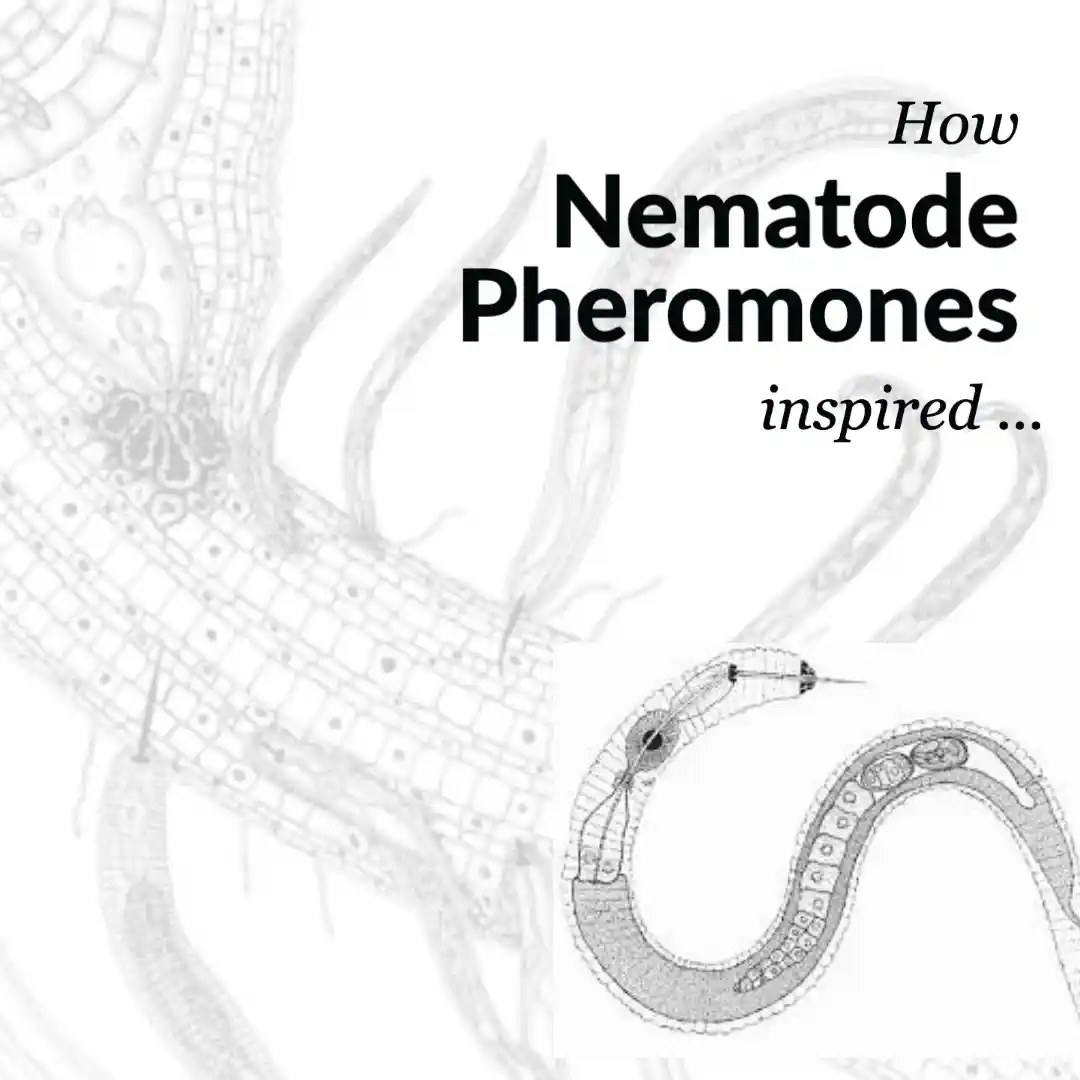
Our current agricultural practices are the perfect example of the law of diminishing returns. Industry goliaths are encouraging ever more use of fertilizers and pesticides which is degrading the natural quality of the soil and tonnes of it is getting washed out into our water streams. These practices are also facing consumer backlash who are growing ever more weary of the overused chemicals ending up on their dinner plates.
To combat the crop pest problem in an organic way, Pheronym Inc has turned to the abundant nematodes and tapped into their communication systems. It has been well established that nematodes are the most natural remedy to maintain soil health. Researchers have worked out the pheromone signals of the nematodes which promote the activeness and functioning of the beneficial nematodes and also inhibit the harmful parasitic nematodes. The chemicals have proven to be good for bee health as well and all without using any toxic chemicals.
🪲 Inspired by: Nematode pheromones
📍 Where: California, USA
🎯 Innovation / Function: Organic, chemical-free pest control
✏️ Who: Pheronym
45. How the spiders silk inspires high-performance silk fiber
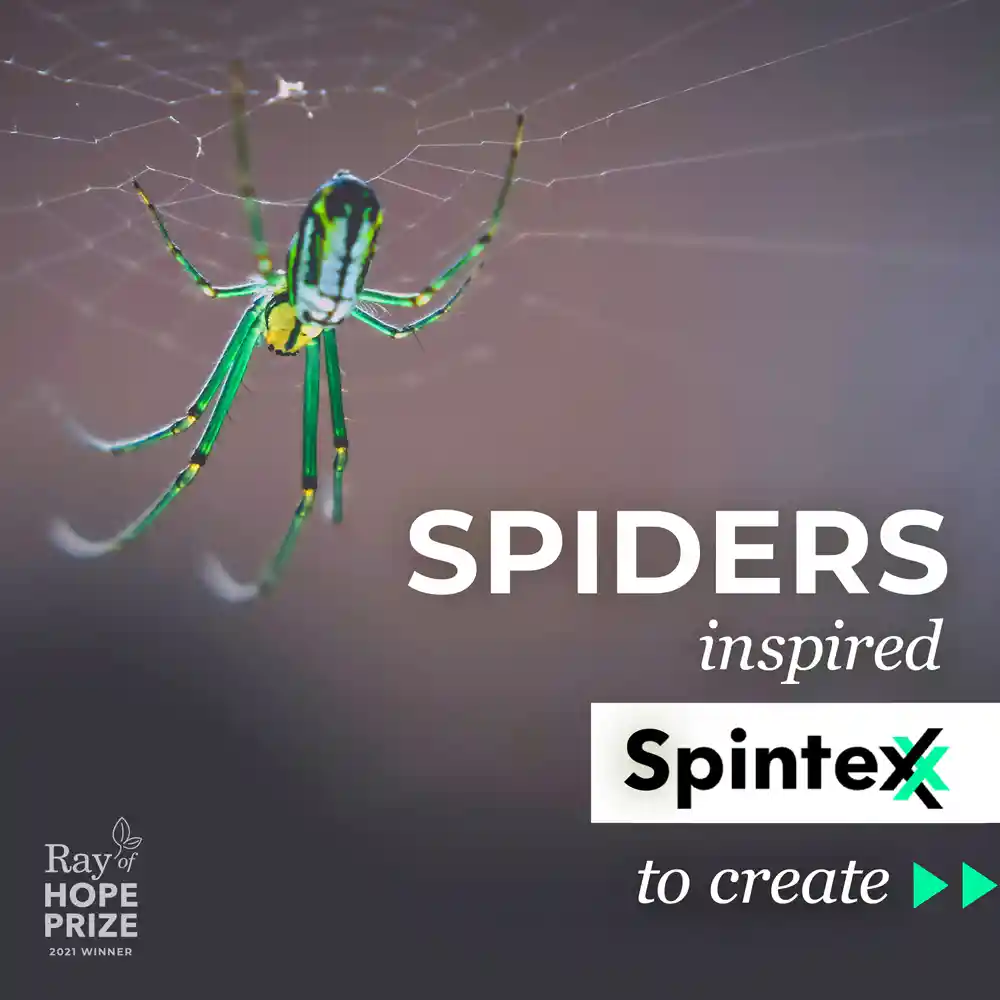
At the holy grail of chemical science, probably right below graphene, lies the ability to mass produce spider silk. A material lighter than hair and stronger than steel! Although we might not be there yet, we definitely have an understanding of how spiders produce the said silk. And as with humans, we have come very close to replicating it.
Spintex Engineering can spin fibres at room temperature, just by pulling from a liquid protein gel and without using harsh chemicals. The fibres are high-performance and also completely biodegradable. This has the ability to completely revolutionise the fashion and clothing industry.
🕷 Inspired by: Spider silk spinning
🇬🇧 Where: United Kingdom
🎯 Innovation / Function: High performance, biodegradable fibre
✏️ Who: Spintex Engineering
46. How the manta ray inspired the underwater surveillance robot
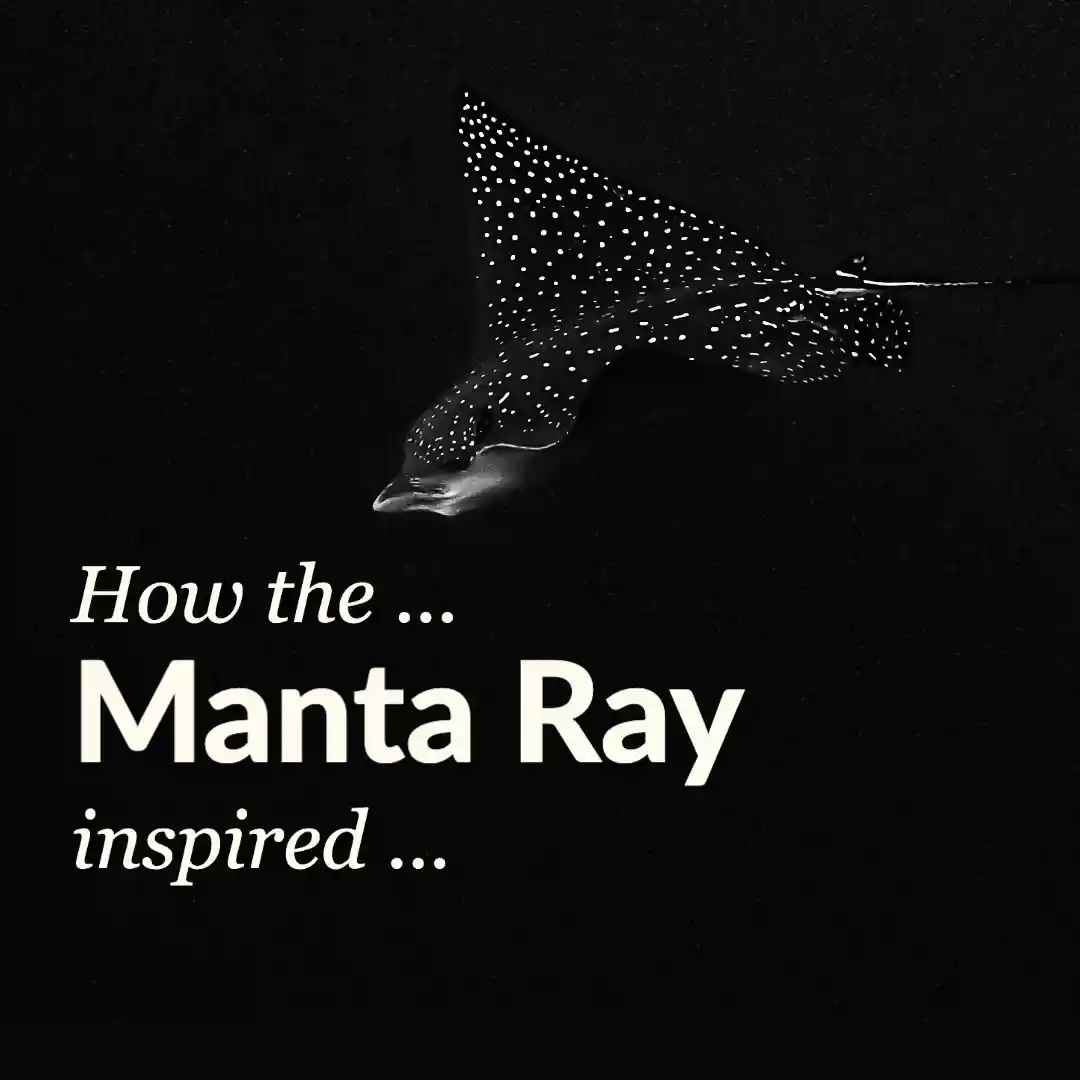
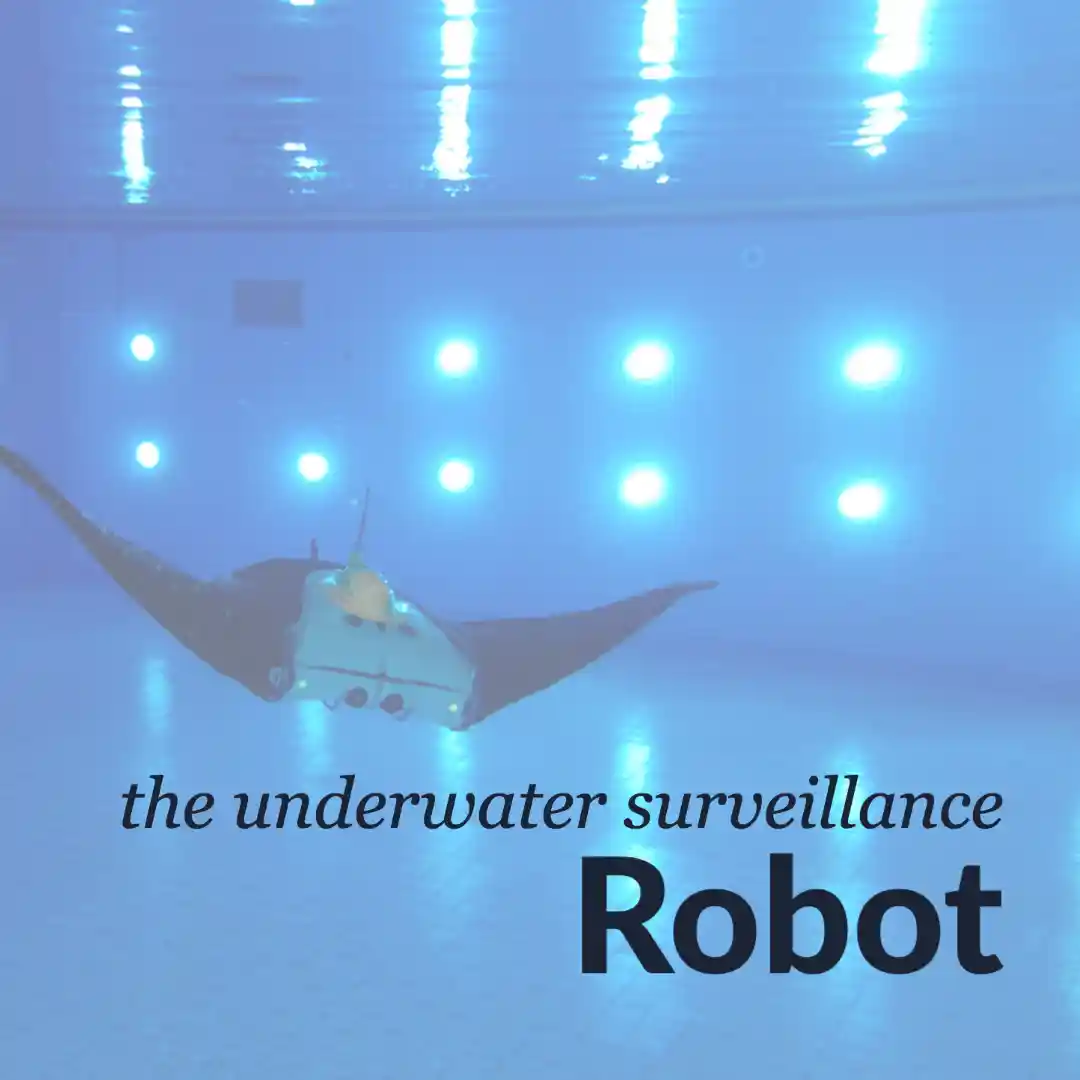
Our knowledge about the ocean might be less even than that of space. 95% of the ocean mass remains largely unexplored. Yet, some animals make it their home and thrive under such conditions. Scientists at EvoLogics have developed an autonomous underwater vehicle by mimicking the manta ray. The large fins of the ray allow it manuver underwater with extreme precision. It can dive and climb, hold depths and travel at very fast speeds making it ideal for exploring and understanding our mysterious oceans.
🪲 Inspired by: Manta ray
📍 Where: Berlin, Germany
🎯 Innovation / Function: Autonomous underwater surveillance vehicle
✏️ Who: EvoLogics
47. How algae inspired multi-functional biodegradable shoes
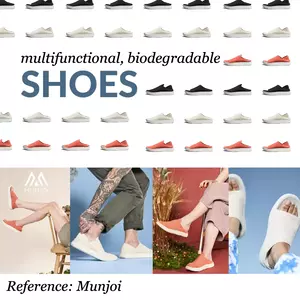
I think we are all in agreement. Fast fashion is bad for the environment and is a leading contributor of non biodegradable and non recyclable plastic waste in our landfills and even worse; our oceans! The team at Munjoi is changing that by using algae instead of petroleum-based plastic. They have tied up with companies capturing invasive algal blooms and others who are growing carbon negative algae.
They have also made the shoes multi-functional as, with their innovative designs, the same shoes can be used as sandals, shoes and everything in between. Fungi are little carbon sequestering machines and biodegrade within 4-6 months if leached into the ocean. The shoes can also be recycled into new material. Similar companies like bloom and C Combinator are also taking this approach and changing the fashion industry.
🪲 Inspired by: Algal oil, ecosystem
📍 Where: Massachusetts, USA
🎯 Innovation / Function: Multi-functional, biodegradable fashion products
✏️ Who: Munjoi, C Combinator, Bloom
48. How ocean microorganisms inspired biodegradable plastic alternative
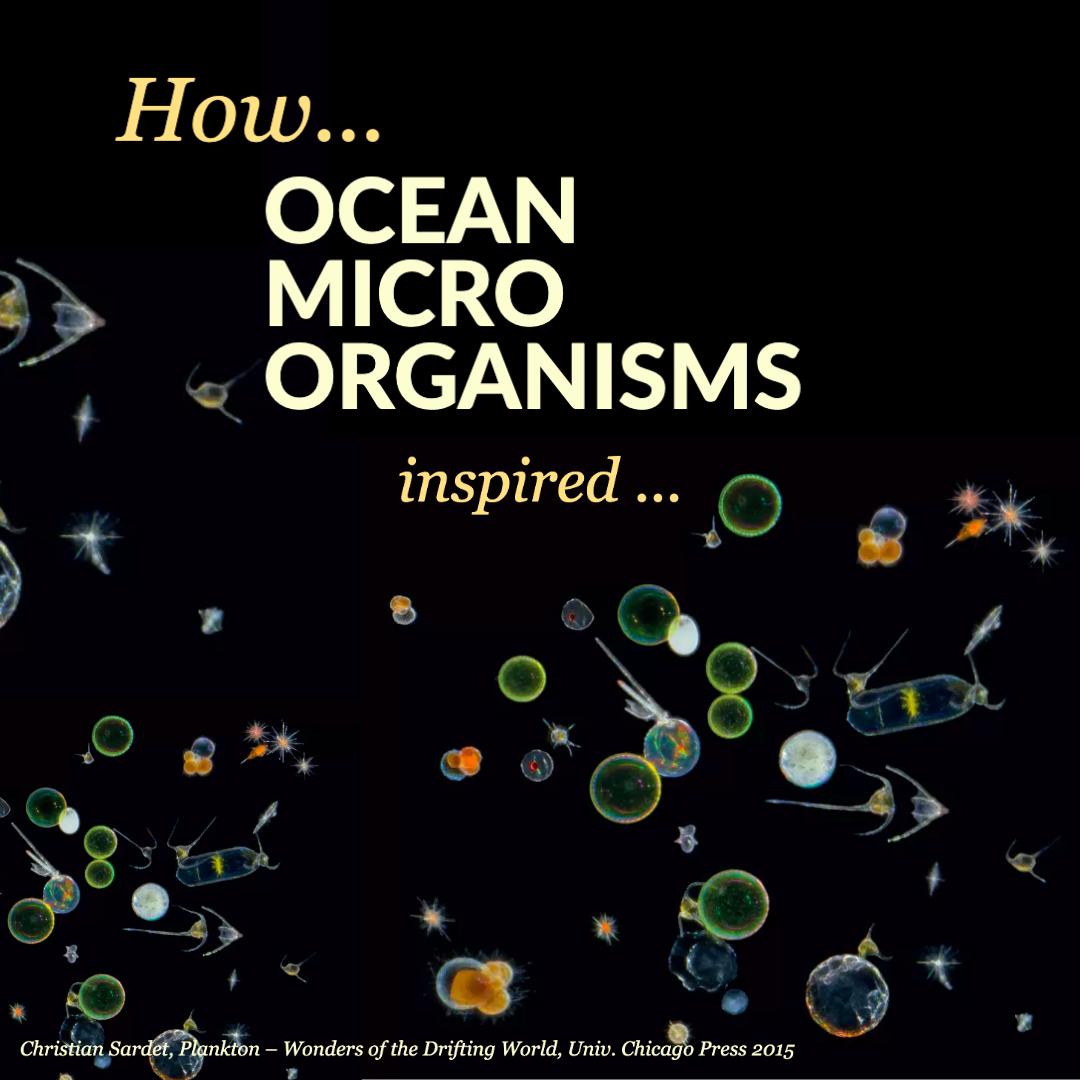
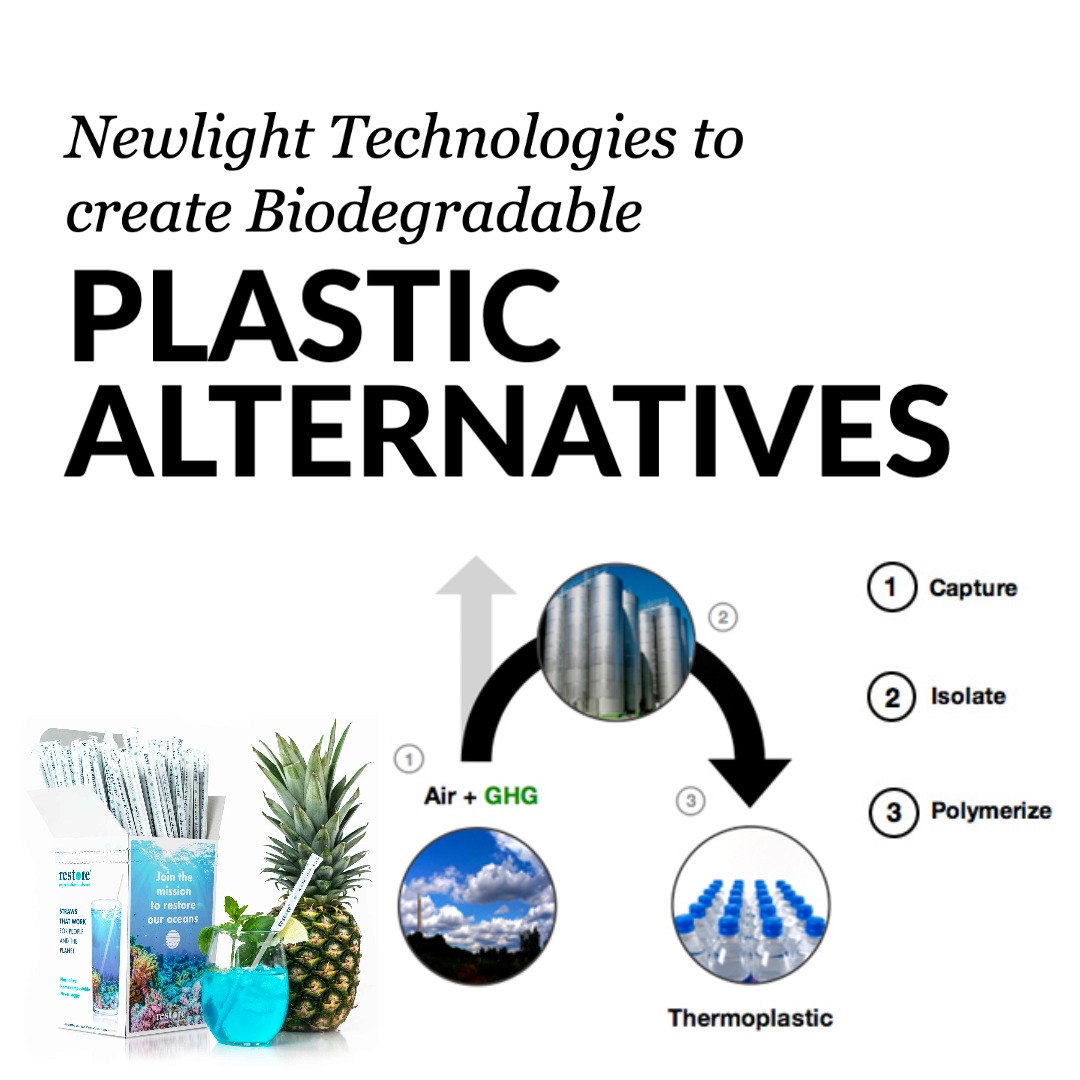
One of our planet's most incredible abilities is to absorb carbon. Carbon capture as it is called. From large forest ecosystems to massive oceans to the dazzling variety of organisms which use carbon to make various components. In the oceans, organisms form carbonates. In other areas, certain bacteria convert them into a bioplastic called PHB.
PHB is a biodegradable (compostable) compound which gives out CO2 and Water as the byproduct when degraded. It can also be used to make new plastic alternative materials after finishing its current product lifecycle. In the ocean, such materials take 1-3 years to biodegrade. Newlight Technologies has already implemented this idea with their product - AirCarbon!
🌊 Inspired by: Various ocean and other microorganisms
📍 Where: California, USA
🎯 Innovation / Function: Compostable bioplastic made from CO2 and other carbon alternatives
✏️ Who: Newlight Technologies
49. How the mantis shrimp club inspired lightweight, impact-resistant composites
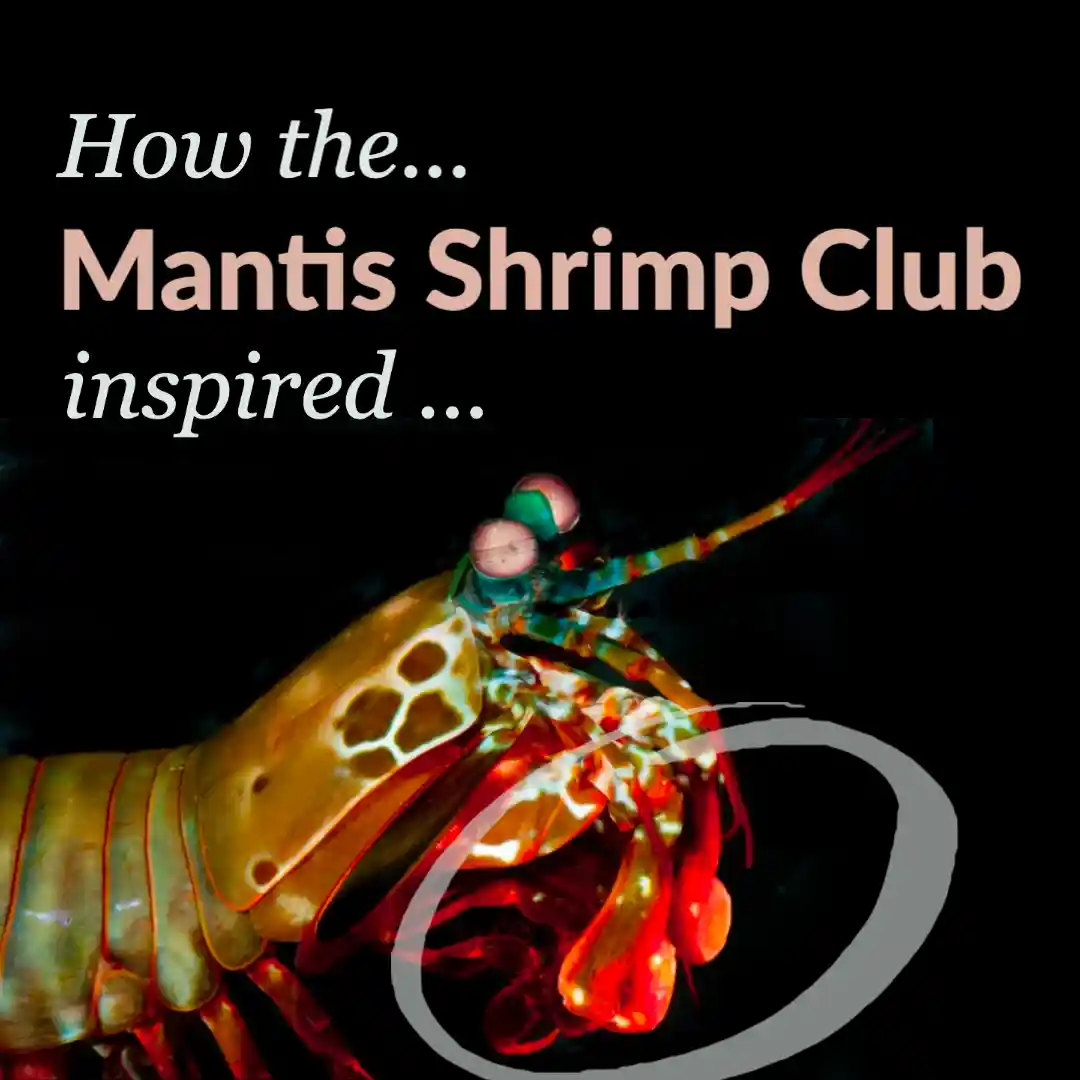
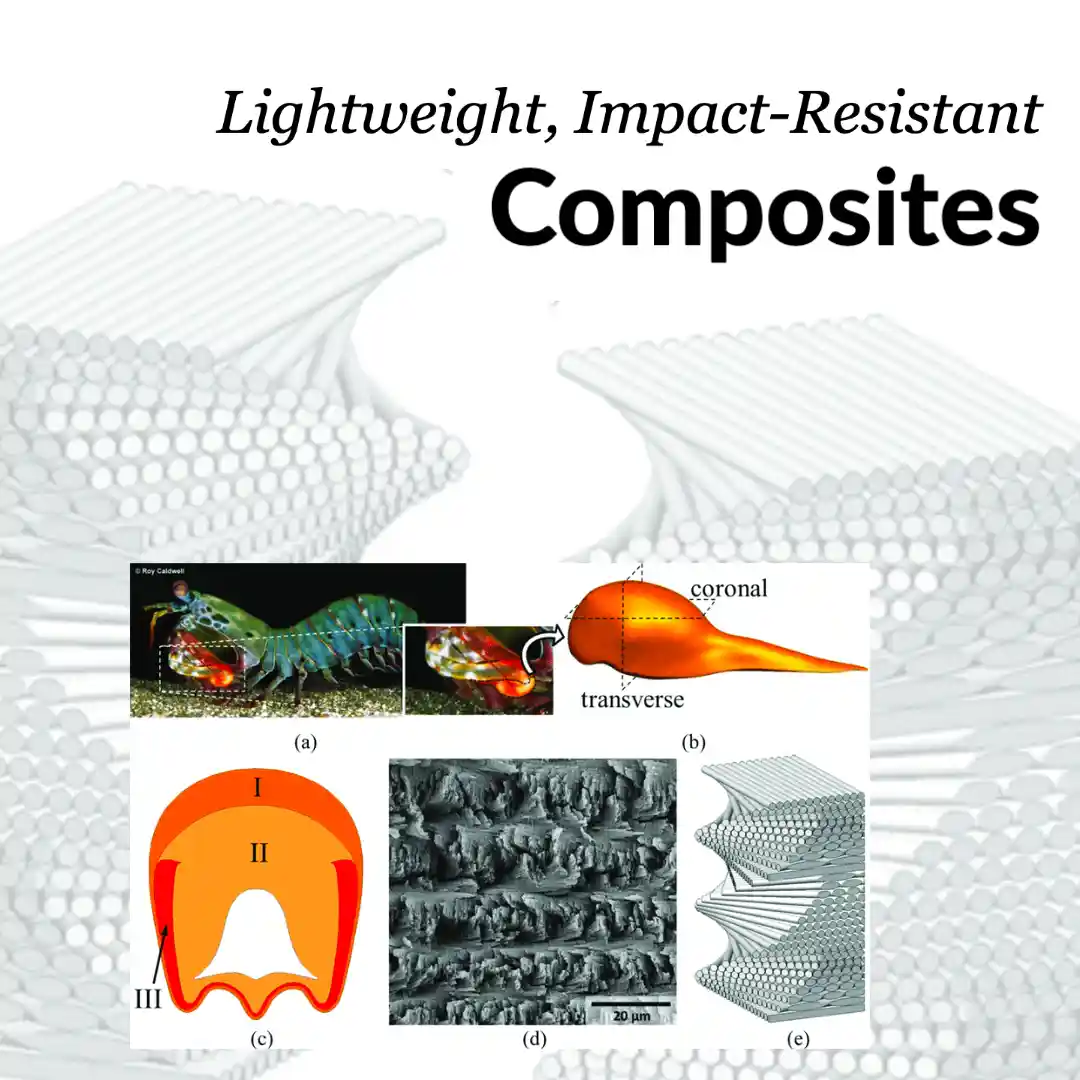
The mantis shrimp might just be the best boxer in the world. They can smash hard crab shells like an egg; as the clubs, they use accelerate faster than a .22 calibre bullet when released. But the question remains, how is the shrimp able to handle the impact of such an explosive impact? The secret lies in the shock absorption capabilities of the club. Although It’s made up of chitin, a very common building material in nature, the helicoid structure in which the natural polymer is arranged makes it excellent at shock absorption. Helicoid Technology is a company that has developed a polymer mimicking the mantis shrimp so that stronger polymers can now be made using fewer materials.
🦐 Inspired by: Mantis Shrimp
📍 Where: California, USA
🎯 Innovation / Function: Impact-resistant, strong, lightweight material
✏️ Who: Helicoid Technology
Beyond shrimps, there's a world of genius structures hidden in nature. Bee's are perhaps the most famous. More on why honeycombs are hexagons
50. How moth eyes inspired a polarized light-capturing satellite
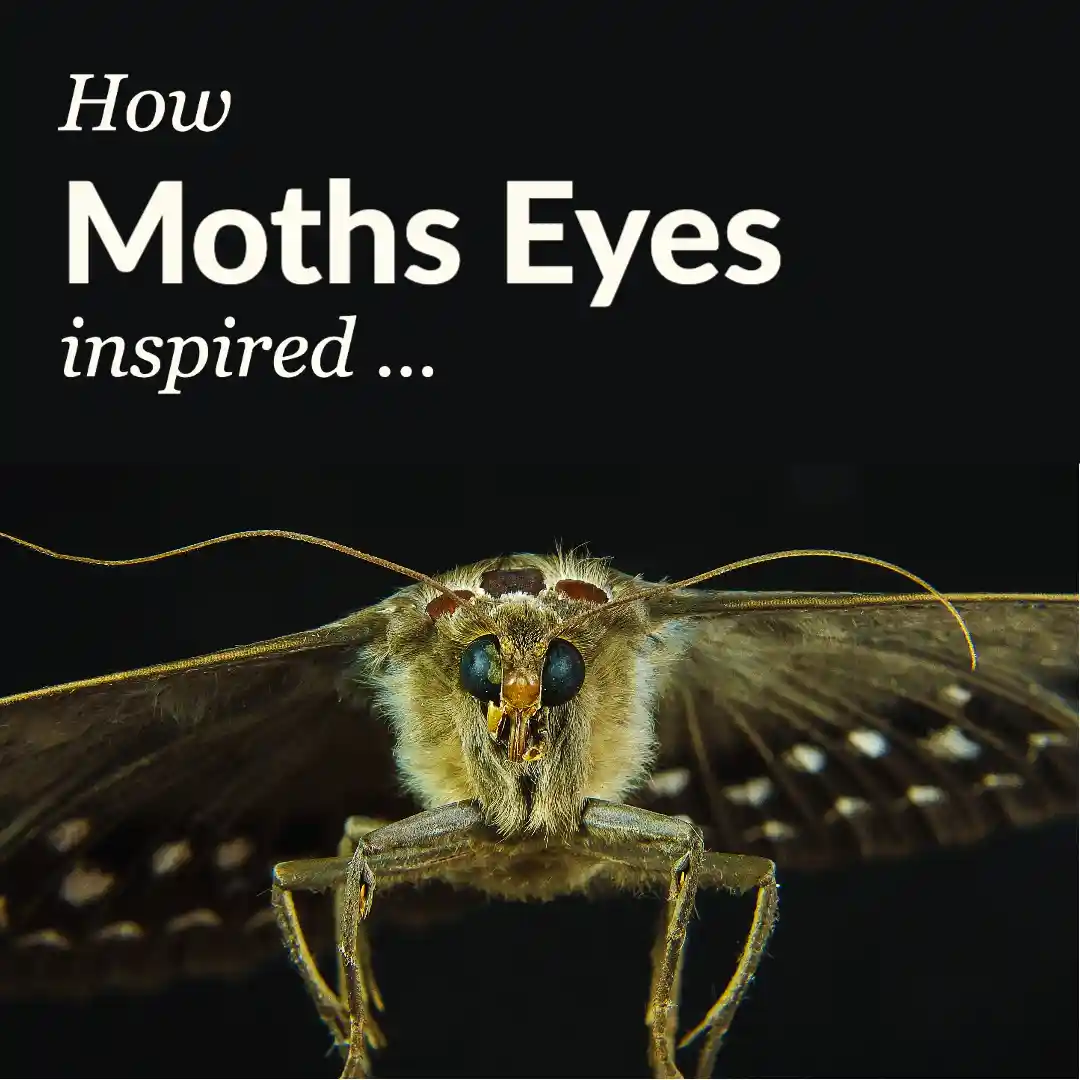
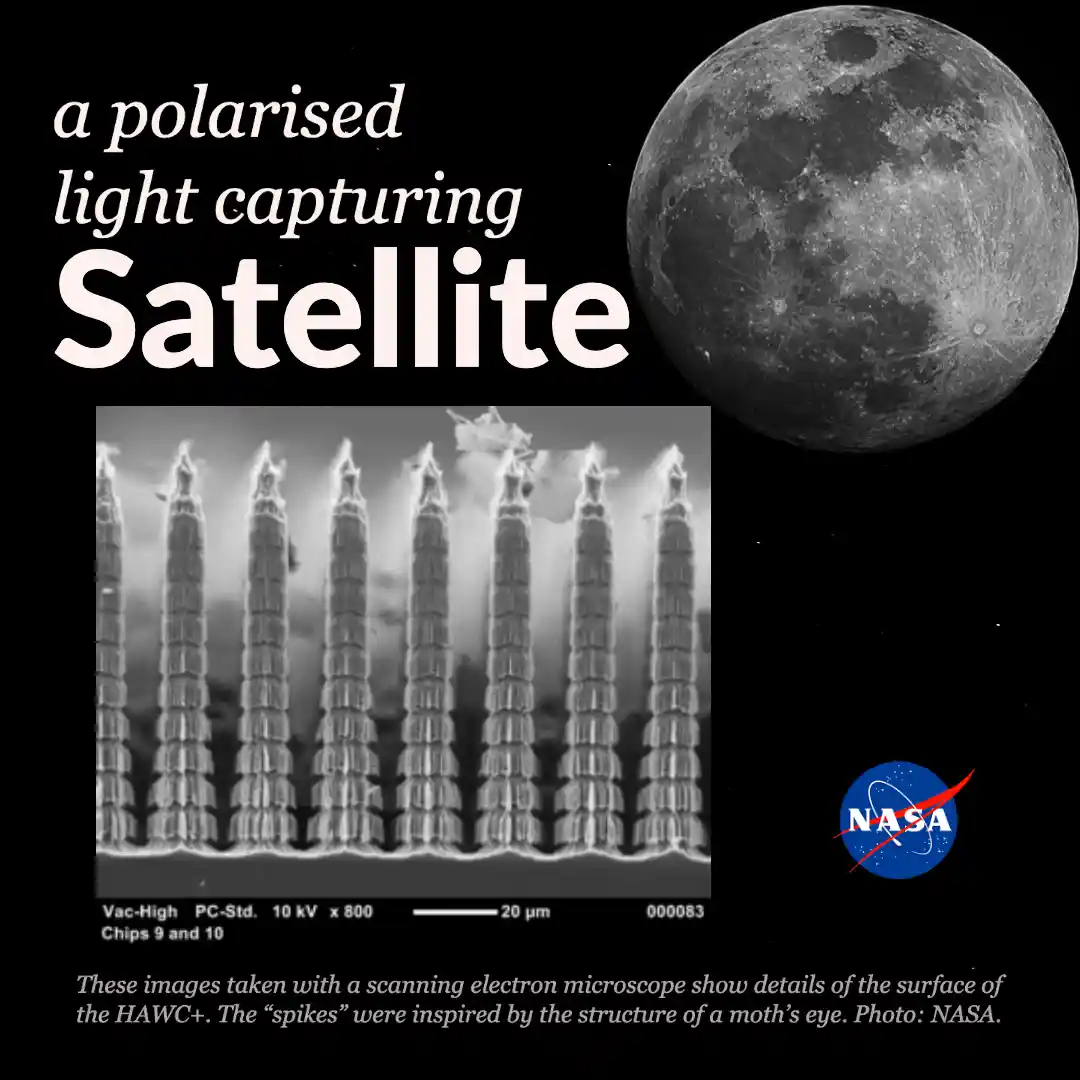
The universe hides some grand and beautiful secrets. Most of which are visible only under the infrared light as it allows us to see through the clouds and gases scattered throughout the universe. Scientists at NASA working on the HAWC+ far-infrared camera and imaging polarimeter, needed ways to capture the maximum amount of the infrared rays incident on the telescope. In nature, at night, the moth has similar visibility problems and it solves them by having its eyes covered with a regular pattern of conical protuberances. These nano sized rough spikes help guide the light down to the eye instead of being reflected back. These modifications are helping HAWC+ get much more light from the same source and get a clearer image of the object in space.
🪲 Inspired by: Moth eyes
📍 Where: California, USA
🎯 Innovation / Function: Polarized light-capturing satellite
✏️ Who: Stratospheric Observatory for Infrared Astronomy (SOFIA), NASA
Okay, we couldn't help ourselves... we just love biomimicry so much. Here are three more biomimicry examples:
51. How wetland ecosystems inspired wastewater remediation systems
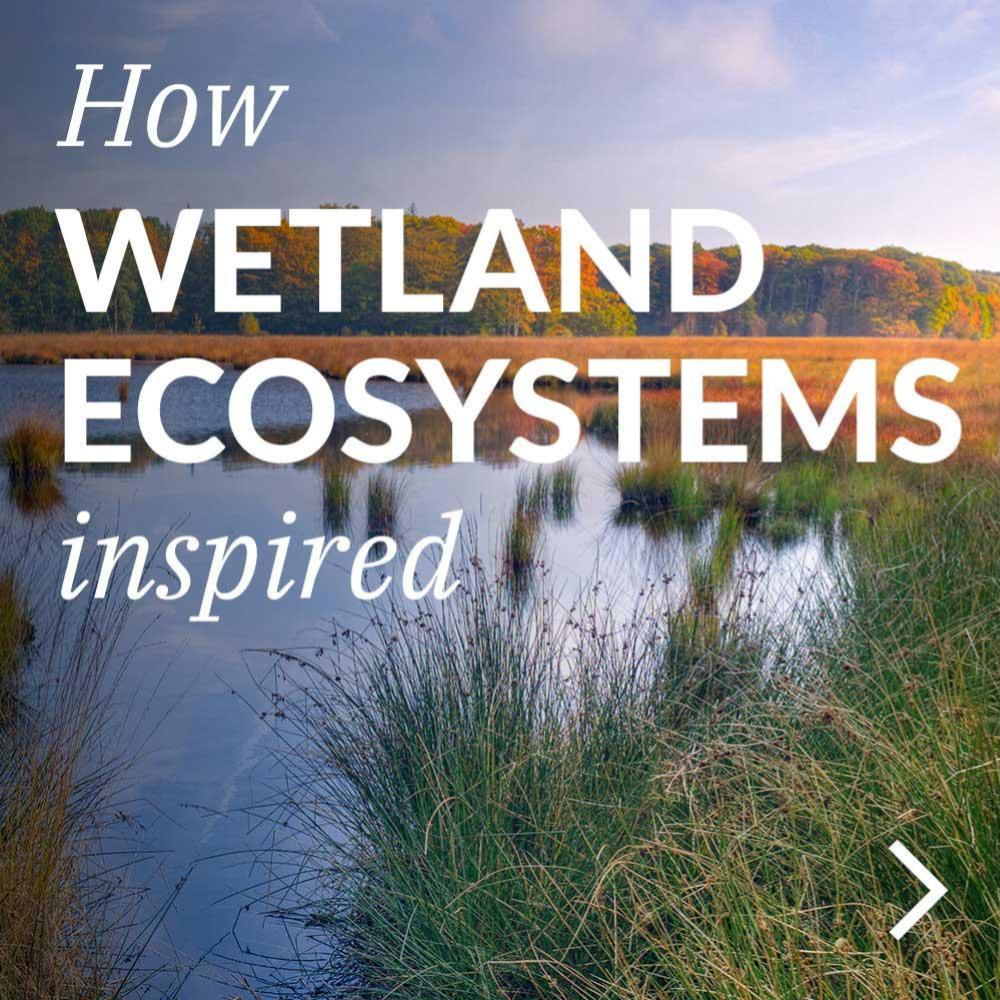
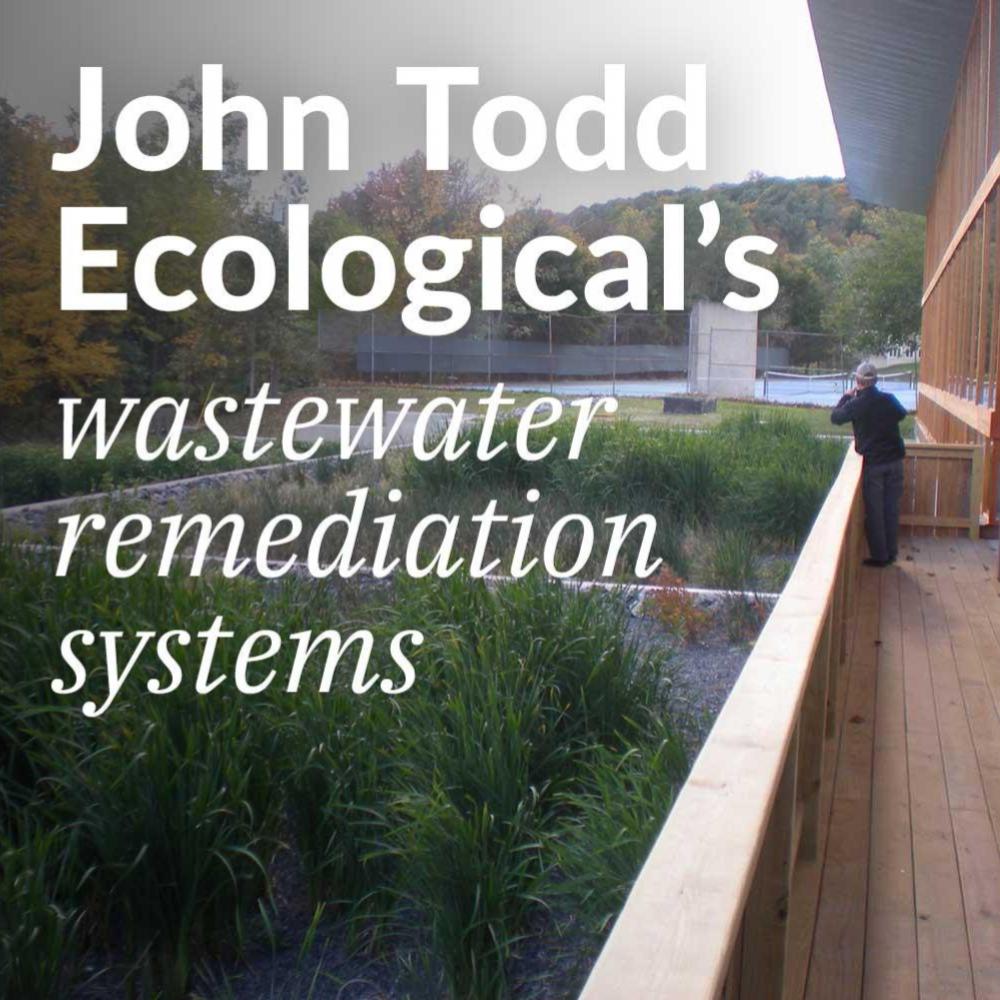
Nature doesn’t "throw away" waste; it treats it as a buffet. John Todd Ecological Systems mimics the complexity of natural wetlands using "Eco-Machines." By creating a diverse mini-ecosystem of plants, bacteria, fungi, and snails, they can turn sewage into clean water without the need for harsh chemicals. It’s a beautiful, living reminder that the best water filter is a healthy ecosystem.
🪲 Inspired by: Wetland ecosystems water purification
📍 Where: Global
🎯 Innovation / Function: Cleaning water through successful biological filters
✏️ Who: John Todd Ecological
52. How the venus flower basket inspired modern architecture
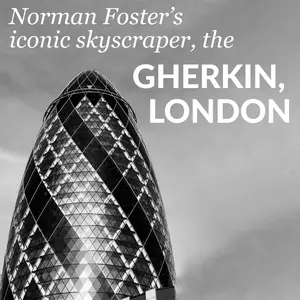
Over the last 2000 years, we humans have pretty much mastered the art of building and infrastructure, or so we think! If you take a stroll across London, you see what looks like an abandoned alien spaceship in a sea of uninspiring buildings called “The Gherkin”. Inspired by the venus flower basket, a sea bottom-dwelling filter feeder, this biomimicry building uses a spatial arrangement of delicate materials such as glass to form a strong but flexible structure. The round shape of the building also helps it deflect wind currents around it. The building uses another filter-feeding chimney-like ability of the sponge which creates shafts between various floors to allow for airflow and ventilation. The building structure also allows for less beams and columns to be used and leads to a reduction in material use.
🪲 Inspired by: Venus Flower Basket
📍 Where: London, UK
🎯 Innovation / Function: Beautiful and a better-ventilated building
✏️ Who: 30 St Mary Axe AKA The Gherkin
53. How the chameleon's tongue inspired a bionic versatile gripper
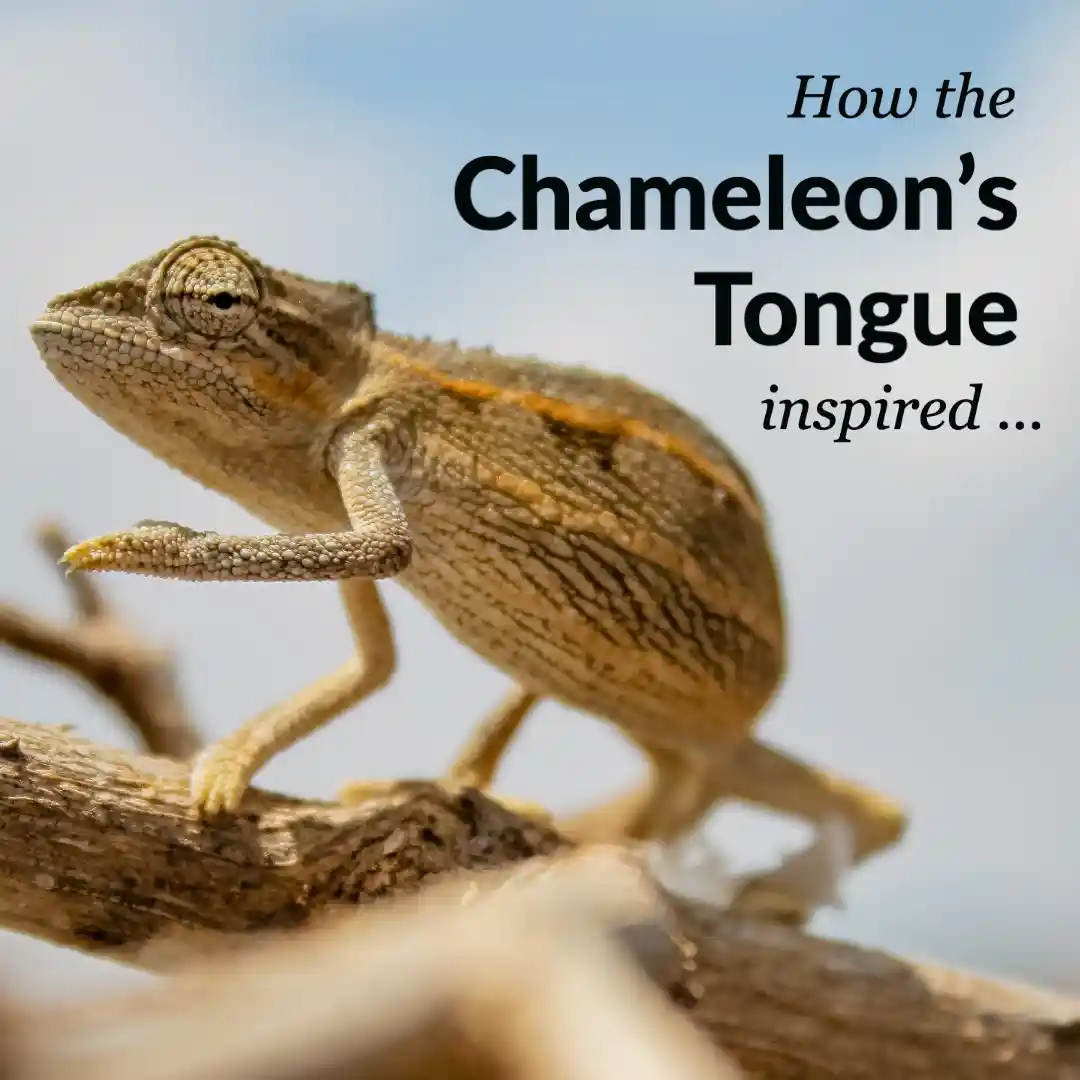
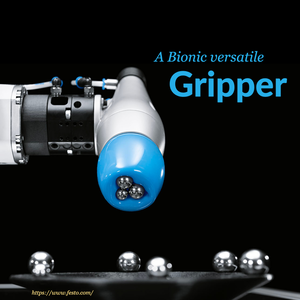
The chameleon is a superhero you didn't even know you wanted. It's got speed, traversing ability, invisibility and a tongue 2 times faster than the fastest car. Another feature of the tongue is its ability to grab onto prey that are very different in shape and size. The biomimics at Festo have developed an adaptive material gripping tool that has a soft and flexible silicon cone at its end. The tool first positions itself over the object. It then wraps around the object just like a chameleon would do to a fly. Once gripped, it varies the pressure applied to tightly fasten the object in its grip and then deliver it to its destination. This tool has a huge amount of military and relief applications when the size and shape of items to be retrieved are unknown.
🪲 Inspired by: The chameleon’s tongue
📍 Where: New York, USA
🎯 Innovation / Function: soft adaptive material gripping tool
✏️ Who: Festo (Bionic Learning Network)
........................................................................................................................................................................
Closing Notes
Okay, that's our top 53 biomimicry examples of all time! What links all these examples are the underlining patterns. More on that here: Life's Principles explained
So where to next? Are you ready to study biomimicry formally? Compare every biomimicry course and certificate available, or the master's programmes worldwide.
Perhaps you'd like to pick up a book to to go deeper? Read the best books on biomimicry
We started Learn Biomimicry because we believe that biomimicry should be accessible, affordable and applicable.
If that's something that resonates you, take your next step and check out the Biomimicry Short Course Set

........................................................................................................................................................................
Wild regards,
Alistair, Jess and Learn Biomimicry.
Resources and References
- Define Biomimicry / What is Biomimicry / biomimicry definition
- Biomimicry in architecture / biomimetic architecture
Biomimicry Short Course Set
From reading examples to making your own
Three self-paced courses, one price: $198. Learn how to find a strategy in nature and turn it into a design, with a certificate for each course.
See the short courses →
Free eBook
A Field Guide to Biomimicry
10 years to build, 10 minutes to read. Gain the skills to apply biomimicry to your business, projects and daily life.
Get the free eBook →
Here’s the one biomimicry course you need that turns these examples and insights into a skill set. Trusted by 1,679+ Learners. Three self-paced courses, one price. $198 US.
10 years to build, 10 minutes to read. This eBook is the essence of biomimicry.
Recent Posts