
Ten biomimicry breakthroughs from 2025
The past year marked a major shift in how we build things.
We’re seeing emerging nature-inspired innovations moving well beyond just copying how nature looks.
We’re now in the bio-inspired re)evolution, where humanity is advancing how we learn from nature to solve our biggest problems like the climate crisis, toxic chemistry and linear waste cycles.
The Ray of Hope Accelerator is well... accelerating it. These biomimicry startups just get more impressive each year.
So with that said, here are ten biomimicry breakthroughs from 2025 that use nature’s wisdom to create a life-friendly future.
1. PolyGone Systems: Remove microplastics from the world's waters
Microplastics are tiny, but they are a huge problem for our water.
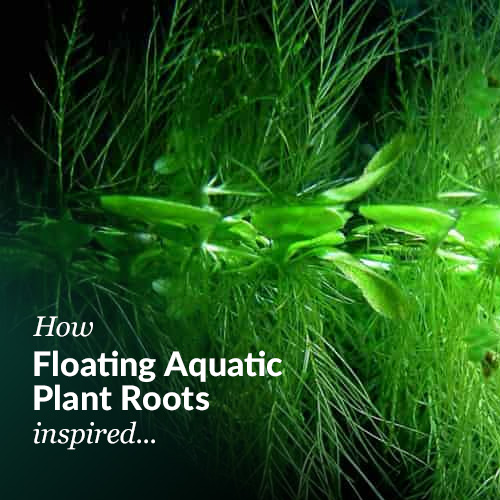
PolyGone Systems created "artificial roots" that sit in the water and trap these tiny plastic bits. This method is passive, meaning it doesn't need high-pressure suction to clean the water.
🌿 Inspired by: Floating Aquatic Plant Roots
📍 Where: Atlantic City, New Jersey, USA
🎯 Innovation / Function: A filter that traps up to 98% of microplastics without using extra energy
✏️ Who: PolyGone Systems
2. Limax Biosciences: Pioneering Biomaterials and a Glue That Heals
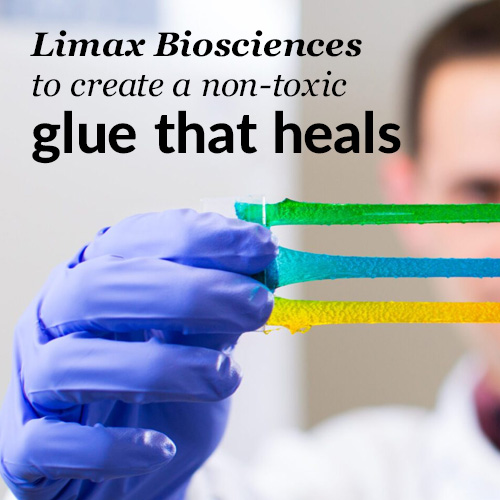
Traditional medical glues and staples can sometimes damage the body.
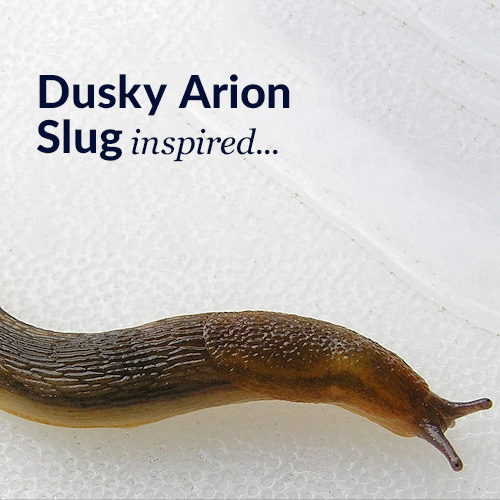
Limax Biosciences made a super-strong, stretchy glue for surgery that works even on wet, moving tissue. It’s safe for the body and even helps support natural healing.
🐌 Inspired by: The Dusky Arion Slug
📍 Where: Harvard John A. Paulson School of Engineering
🎯 Innovation / Function: A non-toxic, flexible hydrogel adhesive for internal wounds
✏️ Who: Limax Biosciences
3. Emboa Medical: Better Stroke Treatment

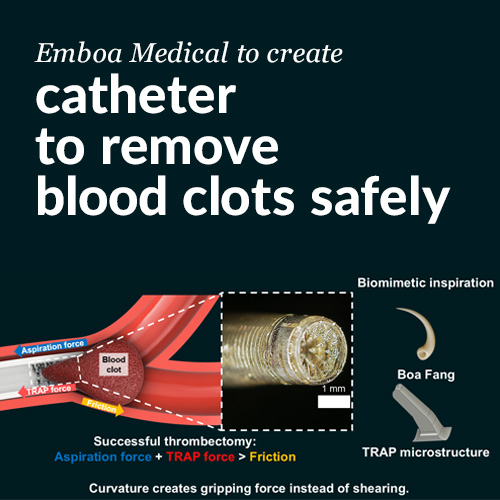
Removing blood clots from the brain is a delicate and difficult job… Yes, it is brain surgery (well sort of - it’s restoring blood flow to the brain).
Emboa Medical’s new tool uses tiny, microscopic "teeth" that grip onto clots much better than old designs. This allows doctors to clear blockages in just one go, which can save lives.
This novel blood clot extraction device to address the prevalent issue of stroke, which is the second leading cause of death in the world… a worthy challenge.
🐍 Inspired by: Boa Constrictor Teeth
📍 Where: Purdue University
🎯 Innovation / Function: A catheter that uses directional "teeth" to remove blood clots safely
✏️ Who: Emboa Medical
4. Pyri: A nature-based early wildfire detection system
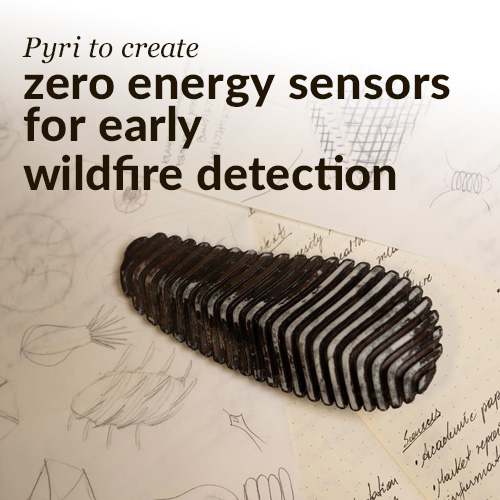
Pyri helps catch wildfires during the "critical first hour" before they get out of control.
It uses smart sensors made of biodegradable materials that don't need batteries or maintenance. These sensors stay dormant until they feel the heat of a fire, then they send an instant alert to first responders.
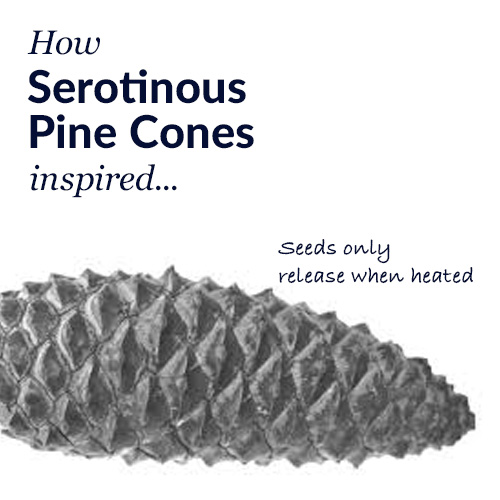
🔥 Inspired by: Serotinous Pine Cones (seeds that only release when heated)
📍 Where: Southern California and the Amazon
🎯 Innovation / Function: Passive, zero-energy sensors for early wildfire detection
✏️ Who: Pyri
5. New Dawn Bio: Growing Wood in a Lab
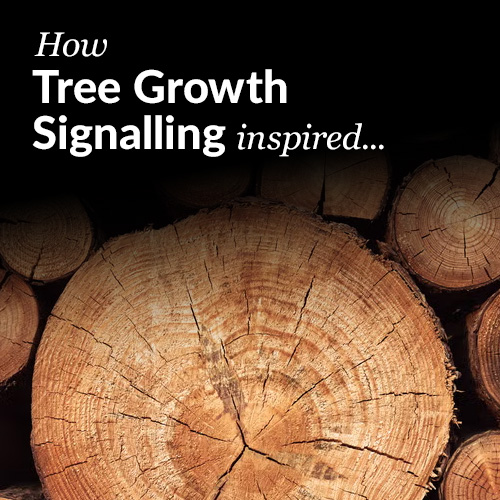
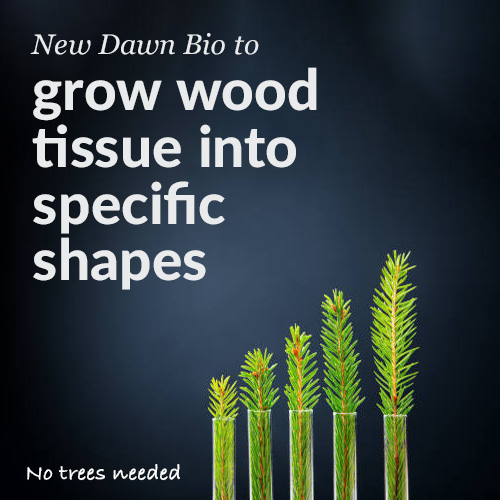
Cutting down trees for wood is slow and wasteful. Growing a tree for lumber takes decades, and the process of converting a round, tapered trunk into rectangular planks results in only a small percentage (sometimes just 5%!) of the original biomass ending up in the final product.
New Dawn Bio has found a way to grow real wood in a lab using plant cells. This process is much faster than waiting for a tree to grow and produces zero waste.
🌳 Inspired by: Tree Growth Signaling
📍 Where: Wageningen Campus, Netherlands
🎯 Innovation / Function: Growing wood tissue into specific shapes without cutting down trees
✏️ Who: New Dawn Bio
6. OptionV Energy: Turning industrial byproducts into useful chemicals

Getting minerals for green energy batteries usually involves lots of heat and chemicals. OptionV Energy uses a process inspired by mushrooms to "claw" minerals out of industrial waste instead. This is 90% cleaner and 60% cheaper than traditional mining.

Free eBook
A Field Guide to Biomimicry
10 years to build, 10 minutes to read. Gain the skills to apply biomimicry to your business, projects and daily life.
Get the free eBook →In short, OptionV Energy turns overlooked industrial byproducts into chemicals that fuel how we make, move, and live - focusing first on Vanadium (increasingly used for large-scale, stationary energy storage).
🍄 Inspired by: Amanita Mushroom Chemistry
📍 Where: Boston, MA, USA
🎯 Innovation / Function: A low-energy way to recover vanadium from waste
✏️ Who: OptionV Energy
7. Praio: Protocells for sustainable, low-cost chemical production
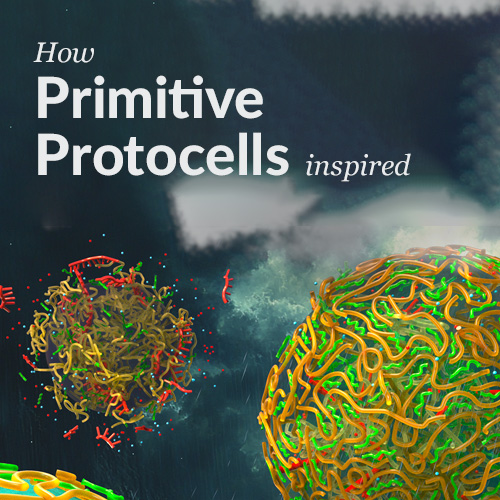
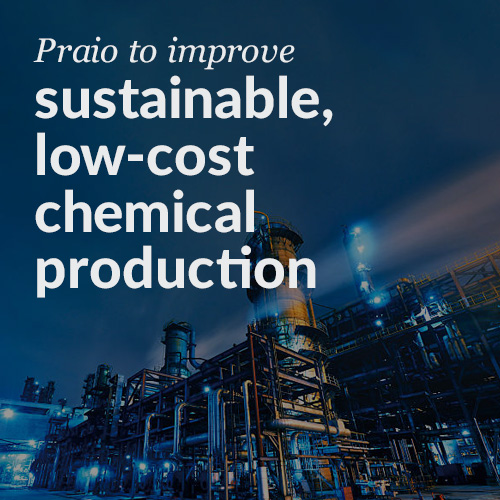
Making ingredients for perfumes or medicines can be expensive and carbon-heavy.
Praio has built tiny "artificial cells" that act like miniature reaction chambers. These make chemical reactions happen 10 times faster at normal room temperatures.
🫧 Inspired by: Primitive Protocells (Coacervates)
📍 Where: Berkeley, CA, USA
🎯 Innovation / Function: Stable micro-reactors that speed up chemical manufacturing
✏️ Who: Praio
8. Anew Material: (Re)imagining the future of Nail Varnish (and all other coatings)
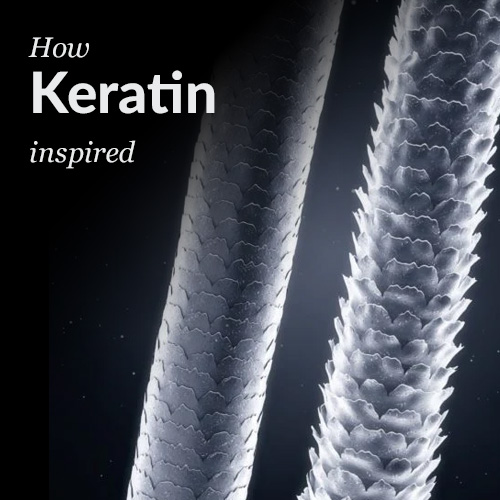
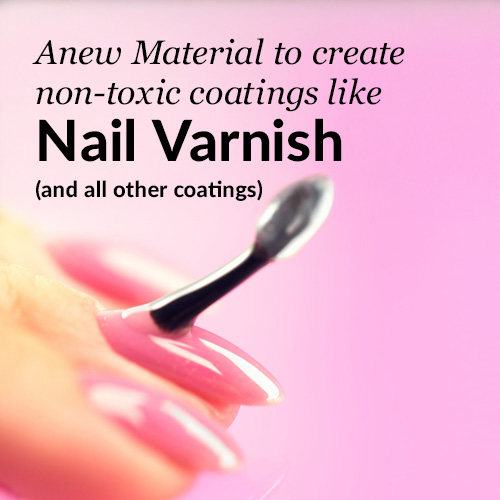
Most coatings and nail polishes are made from plastic and harsh chemicals. Anew Material uses proteins found in nature to make coatings that are tough but completely biodegradable.
Nail technicians are three times more likely to have children with birth defects due to prolonged exposure to chemicals in nail products. Anew Material is creating the first nail polish free from volatile chemicals and microplastics - safer for professionals and consumers alike.
🪶 Inspired by: Keratin (found in hair and feathers)
📍 Where: Anew Material
🎯 Innovation / Function: A plant-based, non-toxic platform for coatings and adhesives
✏️ Who: Anew Material
9. Mimikai: Nature’s Secret to Insect Repellent
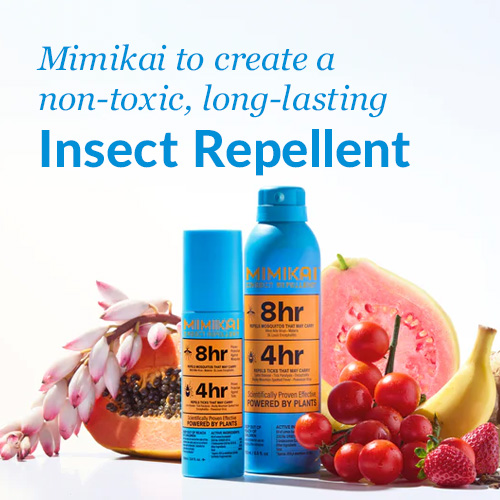
Many people dislike the smell and feel of traditional bug sprays like DEET.
Insect repellents are a vital tool in preventing diseases such as Malaria and Lyme Disease. However, for decades, the market has been dominated by DEET. In 2025, Mimikai launched a revolutionary alternative - the first new EPA-registered insect repellent active in 25 years!
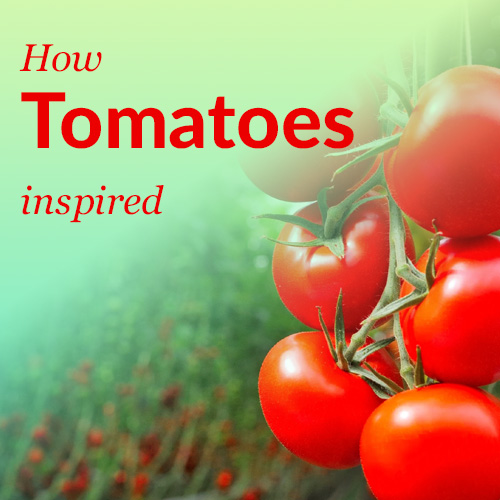
Mimikai’s new repellent uses the natural defense mechanisms of wild tomatoes to mask our scent. Finally, a bug spray that works (naturally).
🍅 Inspired by: Wild Tomatoes
📍 Where: NC State University, USA
🎯 Innovation / Function: A non-toxic, long-lasting insect repellent that's safe for the environment
✏️ Who: Mimikai
10. Ecotune: Scaling bio-based, plastic-free leather (and future materials)

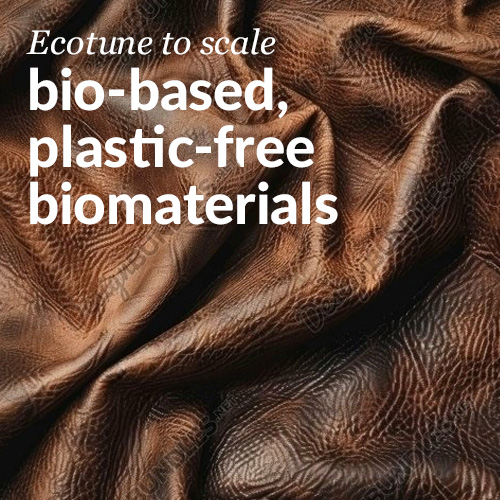
Pioneers of 100% bio-based materials engineered from the molecular level up, Ecotune mimics the structure and performance of leather.
Enabling circularity and reducing carbon footprint, Ecotune’s innovative materials achieve both durability and biodegradability.
Ecotune is scaling bio-based, plastic-free materials to replace high carbon footprint materials across fashion, furniture, and automotive for a future of materials in harmony with the planet.
They received $1.24 million USD in grant funding from the US National Science Foundation last year!
💼 Inspired by: leather
📍 Where: Irvine, California, USA
🎯 Innovation / Function:
✏️ Who: Ecotune
Cross-Disciplinary Trends and the Future Outlook
The breakthroughs of 2025 are not isolated incidents but part of a broader acceleration in biomimetic research.
The "surge of interest" noted by researchers is fueled by the realization that biomaterials can replace plastics in near-future application scenarios. This is particularly evident in the materials science sector, where all-biomass, light-weight, and high-strength composites are being developed from agricultural waste like straw and branches.
Key Drivers of the Bioinspiration Revolution (2025)
The following table summarizes the market dynamics and technological drivers that have defined the past year:
|
Trend Category |
Description / Driver |
Impact on 2025 Innovation |
|
Energy Investment |
$2.2 Trillion in clean tech |
Growth of low-wind and storage solutions |
|
Market Valuation |
$66 Billion biomaterials market |
Expansion of lab-grown and bio-based resins |
|
Materials Science |
All-biomass high-strength composites |
Replacement of single-use plastics |
|
Robotics Revolution |
AI-driven bio-inspired autonomy |
Transition to resilient, swarm-based systems |
|
Sustainability Goals |
Focus on Carbon Sequestration and SDGs |
Prioritization of "regenerative" vs "extractive" |
One of the most significant second-order insights is the shift toward Nature-Positive infrastructure.
The launch of the Biomimicry Institute’s Co-Lab focused on Buildings, Cities, and Infrastructure aims to accelerate a sector-wide shift where the built environment begins to function like a forest ecosystem - purifying air, managing water, and generating energy passively.
Projects like the Spiky'Mune cactus-based vaccine further demonstrate how bio-inspiration is bridging the gap between agriculture and advanced medicine, creating "self-packaging" solutions for the world’s most vulnerable populations.
In Summary: A New Era Guided by Nature is Beginning
The year 2025 will likely be remembered as the moment when biomimicry transitioned from a specialized design methodology into a dominant industrial strategy.
The ten examples highlighted here - ranging from slug-inspired adhesives to wood grown in labs - illustrate a common theme: life creates conditions conducive to life.
By internalizing this principle, the Bio-Industrial Revolution is beginning to solve human challenges not through more extraction, but through deeper observation and mimicry of the natural systems that have sustained life for billions of years.
The success of these innovations provides a blueprint for a future where economic growth and ecological regeneration are no longer mutually exclusive.
The transition is being led by a global community of innovators, founders, researchers, and policymakers who recognize that the most sophisticated technology on the planet is not something we have built, but something we have inherited: the natural world.
The path forward is clear: to build a life-friendly future, we must first listen to the past - the deep, evolutionary past of nature's ingenious designs.
Wild regards
Alistair Daynes, Biomimicry Practitioner
6-Month Programme
Upskill your career
Accelerate your career with the Biomimicry Practitioner Programme, and a real project of your own.
See the programme →
Here’s the one biomimicry course you need that turns these examples and insights into a skill set. Trusted by 1,679+ Learners. Three self-paced courses, one price. $198 US.
10 years to build, 10 minutes to read. This eBook is the essence of biomimicry.
Recent Posts