Download Your Free Field Guide:
Top 15 Bioremediation Super-Organisms
Get the distilled essence of environmental remediation in a single, high-impact read.
Download eBook nowOur teaching materials are recommended by:




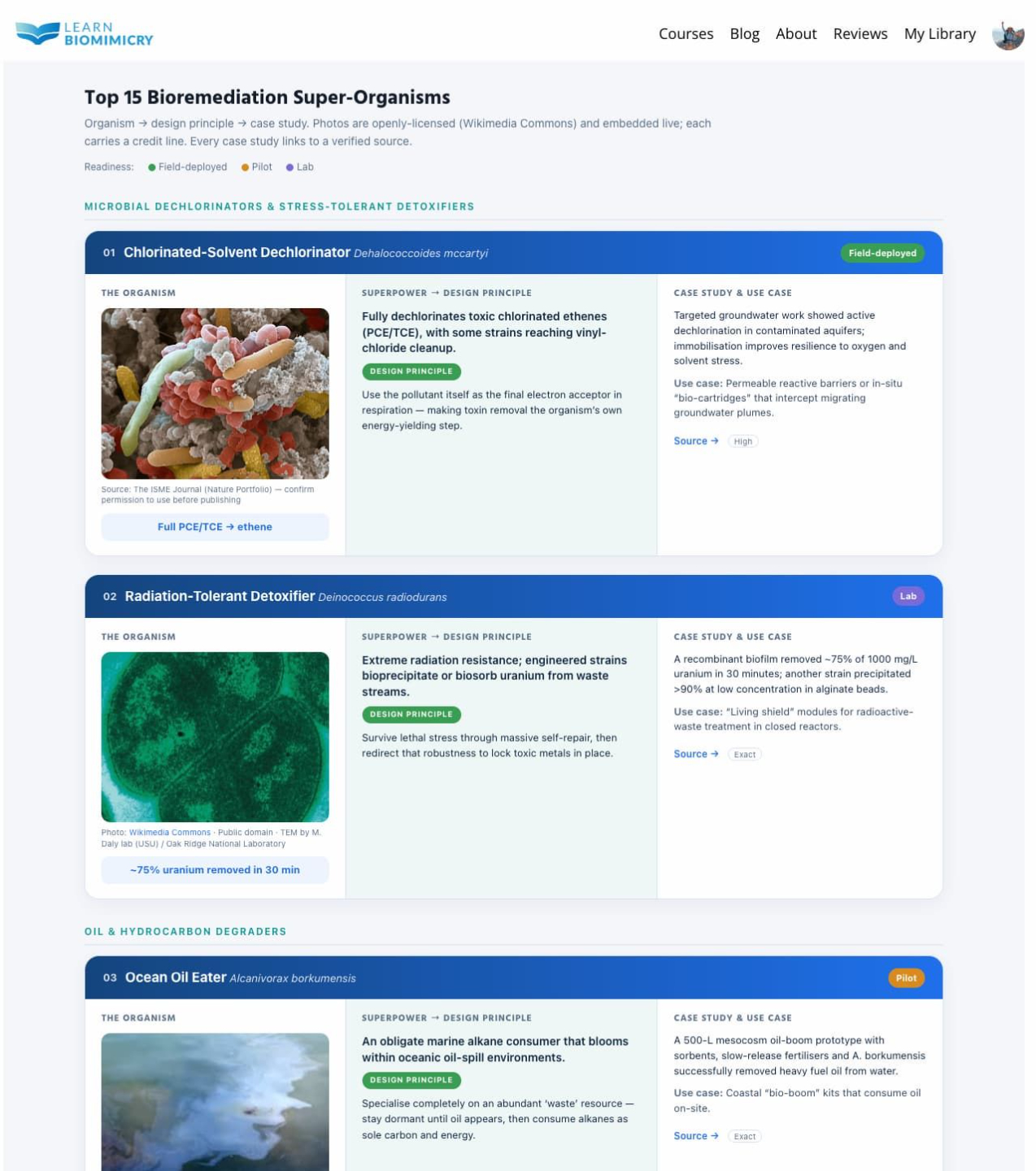
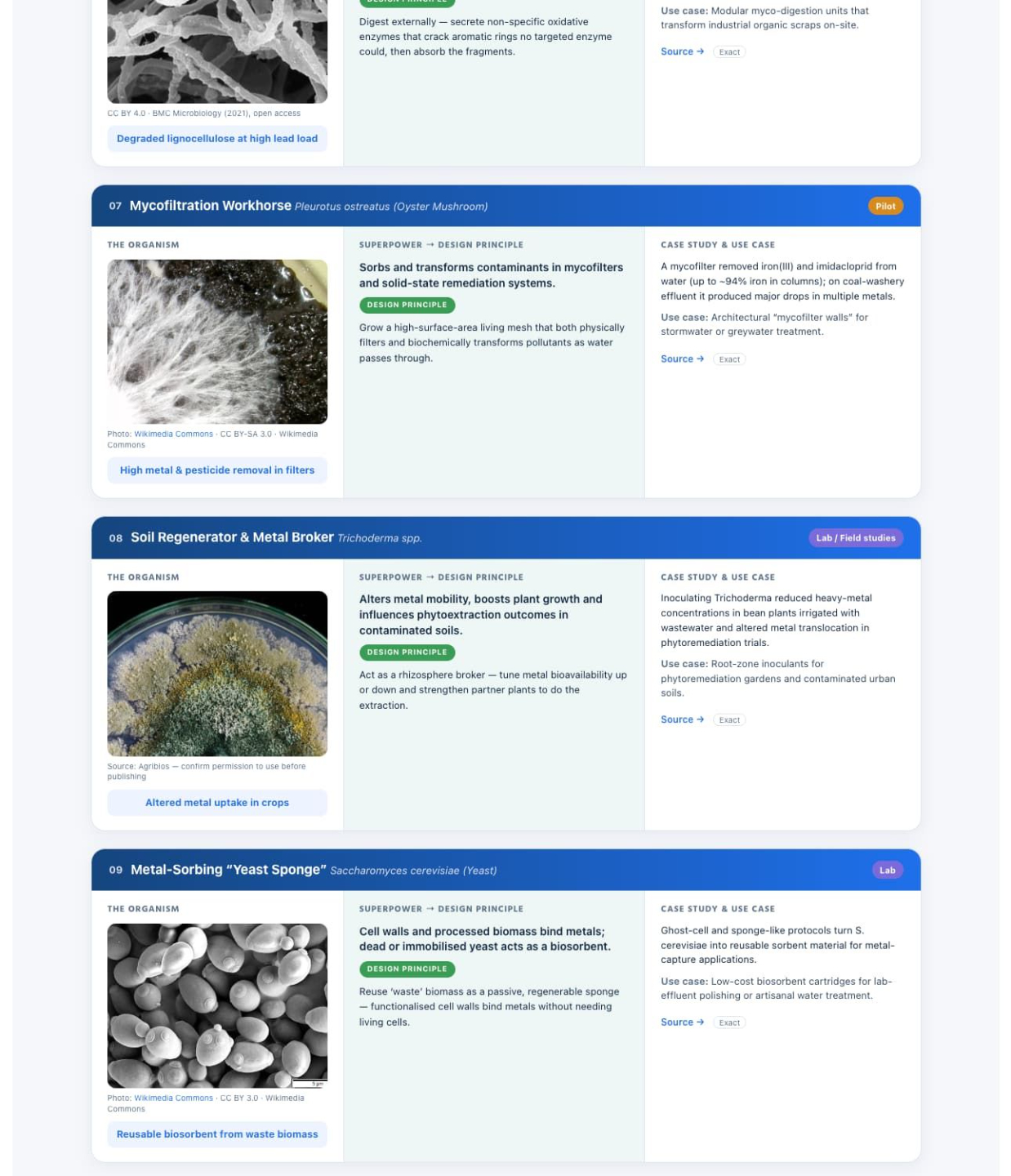
Meet the Super Organisms of Bioremediation
What's Inside the Guide
Inside this concise, packed primer, you will discover the standout biological performers already doing the heavy lifting in soils, sediments, oceans, and wastewater around the world.
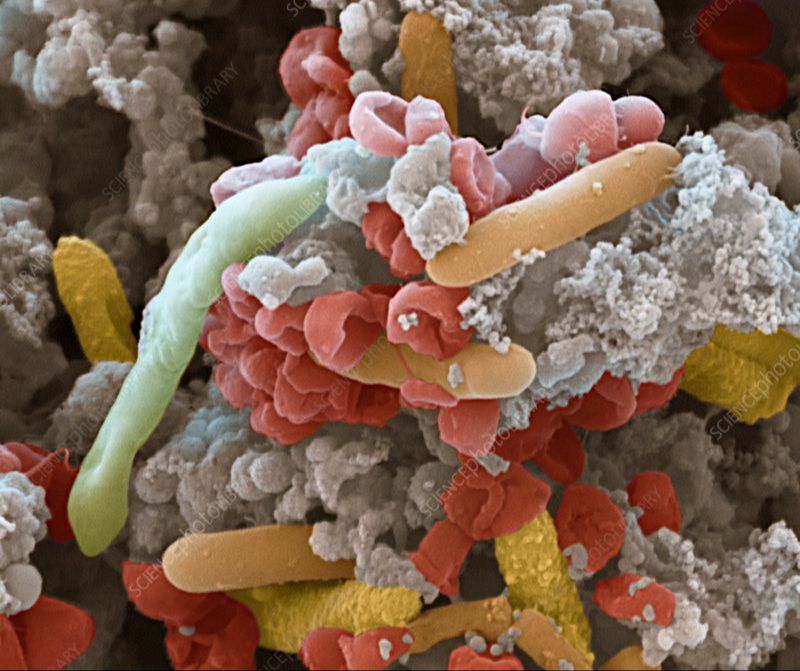
Microbial Dechlorinators: Meet Dehalococcoides mccartyi, the groundwater specialist that fully dechlorinates toxic solvents like PCE/TCE into safe byproducts.
Radiation-Tolerant Detoxifiers: Learn how Deinococcus radiodurans serves as a "living shield" capable of bioprecipitating uranium from radioactive waste streams.
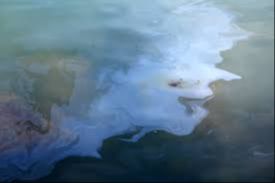
Ocean Oil Eaters: Explore coastal "bio-boom" strategies utilizing Alcanivorax borkumensis to consume oceanic oil spills on-site.
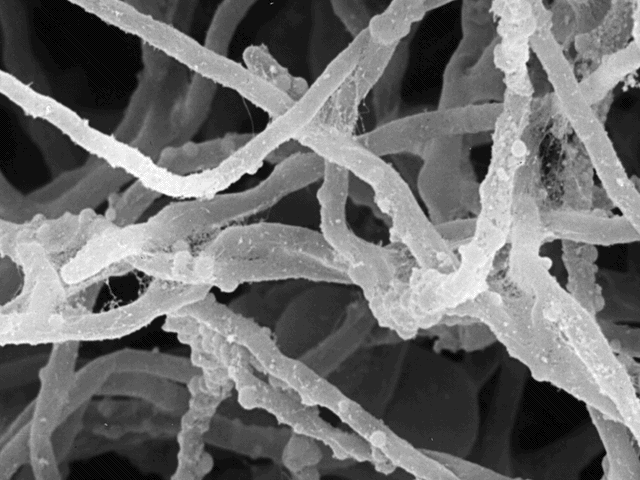
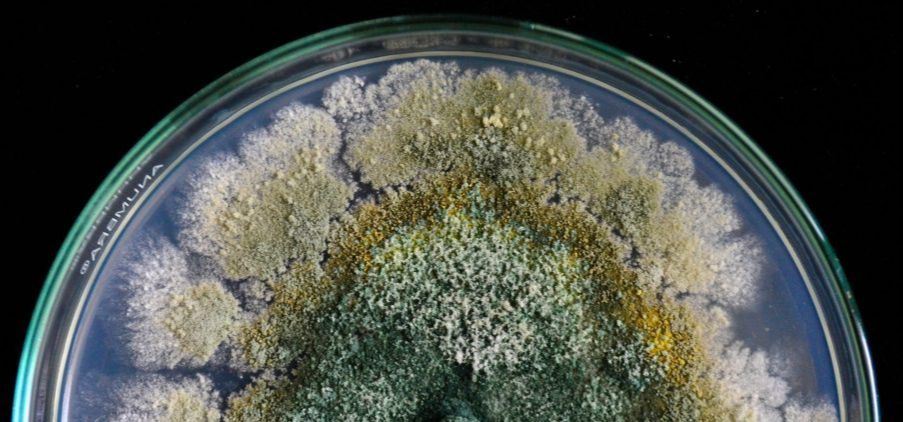
Fungal Remediation Specialists: See how white-rot fungi (Phanerochaete chrysosporium) and Oyster Mushrooms use advanced enzyme networks to shred industrial toxins and filter heavy metals.
Deep-Rooted Phytoremediators: Find out how sunflowers and Vetiver grass draw heavy metals out of legacy mine tailings and landfills into harvestable biomass.
